- Open 24/7 — a dispatcher answers, not a voicemail

Whole House Repiping in Los Angeles and Orange County
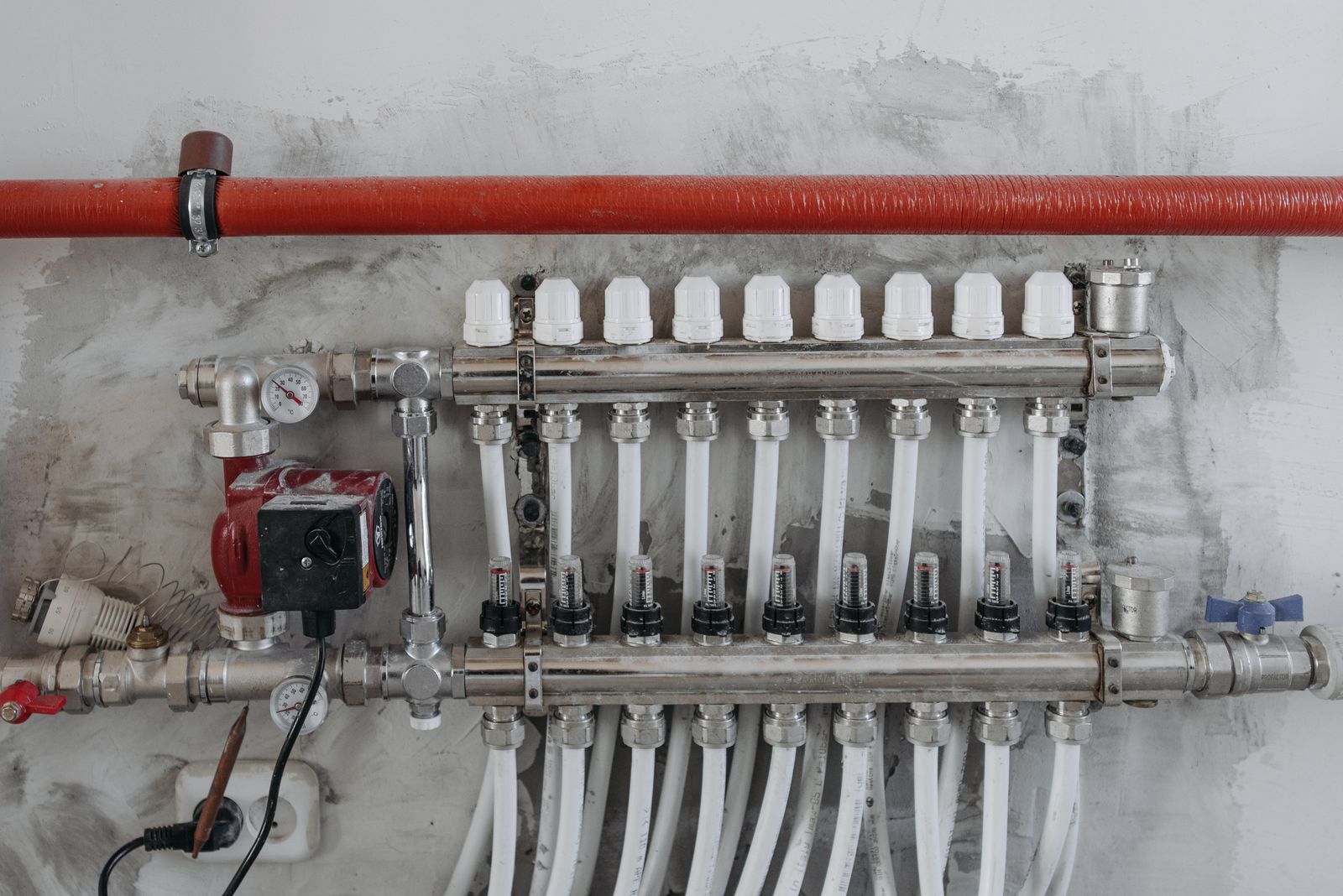
Repiping replaces the water supply lines inside your home: the hidden pipes that carry hot and cold water from the main shutoff to every faucet, toilet, shower and appliance. Target Plumbers repipes houses and condos in PEX or copper. We plan the routes, pull the permit, pass the city inspection and patch the openings, usually while you keep living at home.
Repair the leak, or repipe the house?
One leak on otherwise healthy pipe is a repair. Repiping makes sense when the pipe itself is failing everywhere. Here’s how to tell the difference:
Brown or rusty water when a tap first opens, especially hot
Galvanized steel corroding from the inside
Repipe. Rust keeps coming as long as the pipe stays.
Pressure that has faded over the years, worst upstairs or at the far end of the house
Mineral and rust buildup narrowing old galvanized pipe
Repipe. Check the pressure regulator first to rule it out.
A second or third pinhole leak in copper within a few years
Pipe wall thinning along the run, not one bad spot
Usually repipe. Each new patch only buys time.
Gray plastic pipe stamped “PB” (polybutylene)
A material with a history of failures, especially at fittings
Repipe before it fails
A hot-water line leaking under the slab
Could be one line or the start of a pattern
Slab leak repair first. Repipe if it’s the second or third.
Old galvanized pipe lasts as long as its zinc coating. Once that wears away, the iron rusts, lumps of corrosion form inside and block the flow, and the pipe eventually leaks. California’s East Bay Municipal Utility District describes the low pressure and discolored water this causes (EBMUD on galvanized iron pipes).
PEX or copper: what goes into your walls
How it’s run
Flexible lines that bend around framing, so there are fewer fittings and smaller wall openings
Rigid lengths joined with soldered or pressed fittings
Cost
Usually lower: less material cost and faster to install
Usually higher
Strengths
Resists scale and corrosion, and copes with some movement
Long track record, handles heat well, can’t be damaged by sunlight
Watch-outs
Must be kept out of sunlight, and fittings must suit the water
Can pinhole in aggressive water, and needs electrical bonding
Best fit
Most whole-house repipes, especially through attics and finished walls
Owners who want metal pipe, or exposed runs
Both are legal in California. PEX was added to the California Plumbing Code statewide in 2009, after the Building Standards Commission certified a full environmental impact report, and the rules took effect August 1, 2009 (PM Engineer, January 2009). Whatever you choose, state law requires the pipes, fittings and fixtures that carry drinking water to be lead-free: no more than a weighted average of 0.25% lead on surfaces that touch water, and no more than 0.2% in solder and flux (California Health & Safety Code §116875). That matters in older homes, where some original brass valves and fittings were made before the rule. A repipe replaces them too.
Repiping a house on a slab
Many Southern California homes sit on concrete slabs with the original water lines underneath. Repiping these homes doesn’t mean breaking up the floor. The old under-slab lines are capped and abandoned, and new lines run overhead through the attic and down inside the walls to each fixture. In single-story slab homes this is the usual approach, and it ends repeat slab leaks for good. Attic runs are insulated.
How a repipe job runs
Walkthrough and route plan. We find the main shutoff and every fixture, and plan routes that keep wall openings small and away from finished features.
Permit. Repiping needs a plumbing permit. Some cities treat a house repipe as a quick over-the-counter permit; Long Beach, for example, lists “new or re-pipe domestic water” for one- and two-family homes as an express permit (Long Beach IB-058).
Protect the house. We cover floors and furniture in the work areas and open the walls at planned points.
Install new lines fixture by fixture. Water is usually off only during the working day and back on overnight.
Pressure test and city inspection. The new system is tested before the walls close (see below), and the inspector signs off on the open work.
- Close up. Openings are patched , fixtures are reconnected, and the lines are flushed.
Timing depends on the size of the house, the number of bathrooms and access.
What the city inspector checks
Requirements vary a little by city. The City of Rancho Palos Verdes publishes a copper repipe inspection checklist that shows what a Los Angeles County inspector typically looks for (RPV Copper Water Line Re-pipe Inspection Checklist):
- Pressure test: the finished hot and cold system has to hold, without leaking, at no less than working pressure for at least 15 minutes. A 50 psi air test can be used instead.
- Pipe material and size: copper must be at least Type L, and the building supply line at least ¾ inch.
- Protection: steel nail plates wherever pipe runs within an inch of the face of the framing, so a drywall screw can’t puncture it later.
- Bonding: new metal piping has to be bonded to the electrical system.
- Smoke alarms: permitted residential work over $1,000 triggers the smoke alarm requirement, so be ready for the inspector to check them.
- Water pressure: pressure over 80 psi requires a pressure regulator. New pipe is a good reason to check yours.
What sets the price of a repipe
- Number of bathrooms, kitchen and laundry fixtures (fixture count drives the price more than square footage)
- Material: PEX or copper
- Access: attic height, crawlspace or slab, single- or two-story
- Wall finishes such as plaster, tile or paneling that take more work to open and patch
- Permit fees, which vary by city
We give a written, itemized price after the walkthrough.
Repiping FAQs
Is repiping a house worth it?
When the pipe is failing everywhere (rusty water, falling pressure, repeat pinhole leaks or polybutylene), yes. It stops the cycle of paying for leak after leak and the water damage that comes with them. For a single leak on sound pipe, a repair is the better spend.
How much does it cost to repipe a house?
The number of fixtures, the material, access and wall finishes decide it. A two-bathroom single-story home in PEX costs less than a three-bathroom two-story home in copper. We give a written price after a walkthrough.
Do you need a permit to repipe a house in California?
Yes. Replacing water supply piping needs a plumbing permit and a city inspection, including a pressure test before the walls are closed. Some cities, such as Long Beach for one- and two-family homes, issue it as an express permit without plan review.
Can you repipe a house built on a slab?
Yes, without breaking up the floor. The old lines under the slab are capped and left in place, and new lines run through the attic and down the walls to each fixture.
PEX or copper: which is better for a repipe?
Both meet California code. PEX usually costs less, needs fewer fittings and smaller wall openings, and resists scale. Copper is a proven metal pipe that some owners prefer. We price both so you can compare.
How long does it take to repipe a house?
House size, bathroom count and access set the pace. Inspection scheduling and wall patching add time after the pipe work itself. You get a schedule with the estimate.
Can we stay in the house during a repipe?
Usually, yes. Work happens room by room, and water is typically shut off only during working hours. Plan for some noise and dust in the rooms being worked on.
How long does a repipe last?
A properly installed PEX or copper system should outlast many decades of normal use, far longer than the galvanized pipe it replaces. Water chemistry and pressure affect lifespan, which is why we check pressure as part of the job.
Call any time. A dispatcher answers, day or night.
Book a walkthrough on (844) 941-2727; the estimator comes out of whichever office below is nearest your home:
Get a repipe estimate
Tell us your home’s age, the number of bathrooms, whether it’s on a slab or raised foundation, what you’re noticing (rusty water, low pressure, leaks) and which pipe you think you have. We’ll call to set up a walkthrough.