- Open 24/7 — a dispatcher answers, not a voicemail

Whole House Water Filtration Systems in Los Angeles and Orange County
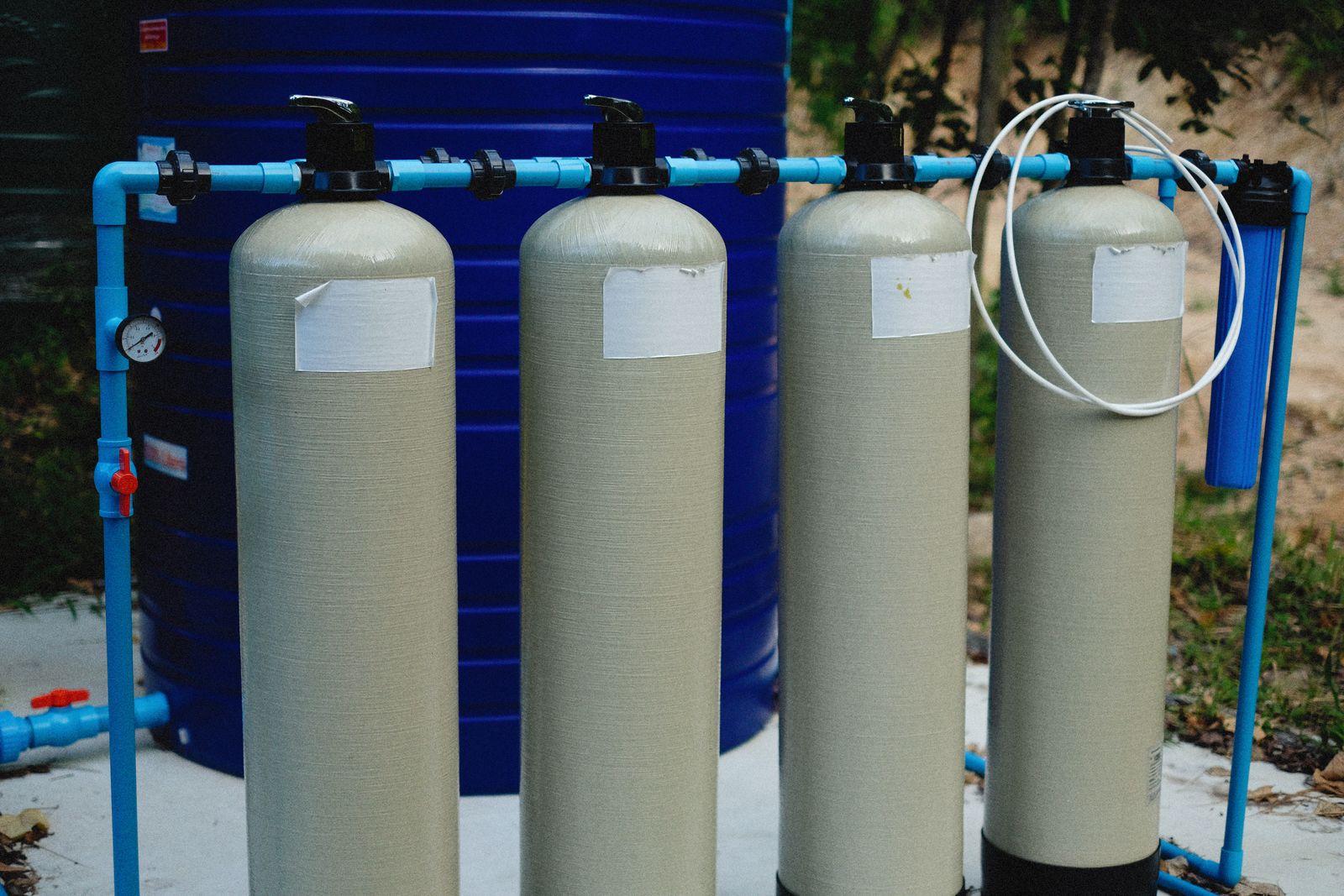
A whole house system treats water where it enters the home, so every shower, sink and appliance gets the same water. Target Plumbers reads your utility’s water report with you, matches the filter or softener to what’s actually in your water, installs it on the main line with a bypass, and comes back to change the cartridges.
Start with your water report
Every water utility publishes an annual drinking water quality report, and it’s the best place to start. A few things it shows for this area:
- Los Angeles (LADWP): the 2025 report says LADWP met all primary drinking water standards in 2025 and has no lead service lines in its system. PFAS turned up in a few samples from individual wells, but none of the regulated PFAS compounds was found in water entering the distribution system (LADWP 2025 Drinking Water Quality Report).
- Imported water: the Metropolitan Water District, which supplies imported water across Los Angeles and Orange County, disinfects with chloramine rather than plain chlorine (Anaheim Public Utilities). How much of it reaches your tap depends on your city’s mix of local wells and imported supply.
So most homes here aren’t filtering because the water fails a standard. They want to remove the chloramine taste and smell, cut scale on fixtures and the water heater, and catch sediment. Those goals call for different equipment, which is why we start with your report and a test at the tap.
Match the system to the problem
Pool-like taste or smell at every tap
Chloramine or chlorine
Whole house carbon filter. For chloramine, catalytic carbon with enough contact time; ordinary carbon is made for chlorine.
White crust on faucets and shower glass, short water heater life
Hard water (calcium and magnesium)
Salt-based softener, or a salt-free conditioner that reduces scale without removing the minerals
Grit in aerators, cloudy water after main work on the street
Sediment and rust
Sediment pre-filter ahead of the carbon stage
Worry about a specific contaminant (lead from old home plumbing, PFAS, arsenic)
Depends on the test
A system certified for that contaminant, often a point-of-use reverse osmosis unit at the kitchen sink
Private well or bacteria concern
Untreated source water
UV disinfection plus filtration, after lab testing
Softener, conditioner or filter?
- Filter (carbon and sediment): improves taste and smell and catches particles. It doesn’t soften water.
- Salt-based softener: swaps hardness minerals for sodium, so soap lathers and scale stops. It needs salt refills, a drain for its regeneration cycle and an outlet.
- Salt-free conditioner: changes how minerals form scale instead of removing them. There’s no salt or drain line, but water still tests “hard.”
Many homes pair a sediment and carbon filter with a softener or conditioner on the same line.
Living in the Santa Clarita Valley? Read this before buying a softener
Installing automatic water softeners has been prohibited in the Santa Clarita Valley since an ordinance took effect on March 27, 2003, and Measure S (approved by voters in 2008) required existing residential units to be removed by June 30, 2009 (LA County Sanitation Districts). The salt they discharge raises chloride in the Santa Clara River. If your home is in the valley, we’ll recommend filtration or a salt-free conditioner instead.
Certified equipment, and why it matters in California
California’s Residential Water Treatment Devices program requires any home device that claims to reduce a contaminant with a health standard to be certified by an ANSI-accredited body such as NSF or IAPMO and registered with the State Water Resources Control Board before it’s sold here. Devices that only address taste, odor or hardness don’t need registration (State Water Board RWTD FAQ). If a system is sold to you for lead or PFAS, ask to see its certification and California registration. We show you both before you buy.
How the system goes in
Pick the spot. Usually where the main line enters, after the main shut-off and before the water heater, in the garage or on an outside wall with a cover.
Size it. We match the system’s flow rating to your fixtures, so pressure doesn’t drop when two showers run.
Plan the extras. A softener needs a drain and an outlet; an outdoor install needs a cabinet or cover. You can leave the garden hose bib unfiltered to save filter life.
Cut in with a bypass valve, so water stays on during filter changes or service.
Flush the new media and check for leaks and pressure at the fixtures.
Show you the gauges and bypass and set the first filter-change date.
Filter changes and upkeep
How often cartridges need changing depends on the system, your water and how much the household uses. Most systems show it as a pressure drop across the filter housing or a falling flow at the taps. Carbon media lasts longer than sediment cartridges; softener salt is topped up as it’s used.
What sets the price
- System type: sediment and carbon only, or with a softener or conditioner
- Flow rating for the size of the house
- Location: garage, outside wall with a cabinet, or a long run to reach the main
- New drain line or outlet for a softener
- Pipe material and size at the main
- Permit, where required
Adding a softener at the same time? Both can go on one 0% financing plan, subject to approval.
Whole house water filtration questions
Is a whole house water filter worth it in Los Angeles?
If you dislike the taste or smell of chloramine, fight scale on fixtures, or see sediment, yes. If your goal is a specific health contaminant, a certified system at the kitchen tap may be the better spend. Read your utility’s water report first; LADWP’s 2025 report shows it met all primary standards.
How much does a whole house water filtration system cost?
A sediment and carbon system costs less than one paired with a softener. The install price depends on the flow rating, where the main line is, and whether a drain or outlet has to be added. We give a written price after seeing the main and your water test.
Do I need a water softener or a water filter?
A filter improves taste and smell and removes particles; a softener removes the minerals that cause scale. If your problem is spots and crust, you need softening or a conditioner. If it’s taste and smell, you need carbon. Many homes use both.
Will a whole house filter remove chloramine?
Yes, if it’s built for it. Chloramine needs catalytic carbon and enough contact time; a basic carbon filter sized for chlorine removes much less of it.
What are the disadvantages of a whole house water filter?
Cartridges and media have to be replaced on schedule, an undersized system lowers water pressure, and it takes space at the main line. A softener also needs salt, a drain and power.
How often do whole house filters need changing?
It depends on the system, the water and household use. Watch the pressure gauges: a growing difference across the housing means the cartridge is loading up. We set the first change date at install.
Can I install a water softener in Santa Clarita?
Not an automatic one. They’ve been banned from installation in the Santa Clarita Valley since 2003, and existing residential units had to be removed by June 30, 2009. Filtration and salt-free conditioners are the usual alternatives.
Does a whole house filter remove lead or PFAS?
Only if the system is certified for that contaminant. In California, any device sold with that claim must be certified and registered with the State Water Board. For drinking water, a certified point-of-use unit is often the practical choice.
Related water system work
Call any time. A dispatcher answers, day or night.
One number for every booking, (844) 941-2727; the install crew comes from the closest of these six offices:
Book a water filtration consultation
Tell us what bothers you about your water (taste, smell, spots, sediment, a test result), your city and where the main line comes in. We’ll call back with a time.