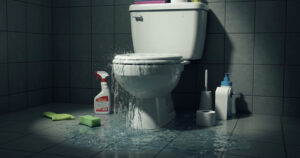
Your home’s sewer line is an essential part of your daily life, quietly carrying wastewater away. Most of the time, you don’t even think about it. But when problems arise, they can cause major disruptions and expensive headaches. A clog or break in the main sewer line affects your entire property. Fortunately, your sewer system often gives you clear warning signs before a catastrophe happens. Recognizing these sewer line problems early is the key to protecting your home from significant damage and costly repairs.
10 Sewer Line Problems You Should Never Ignore
All household drains, from sinks to toilets and showers, connect to a main sewer line that directs wastewater to the municipal system. Problems with this line affect your entire home and can show up in various ways indoors and outdoors. Here are 10 signs your sewer system needs urgent attention.
1. Persistent Drain Clogs
Occasional clogged sinks or toilets can usually be fixed with a plunger. However, frequent clogs may signal a bigger problem with your main sewer line. If multiple fixtures—like your toilet, tub, and sink—back up at the same time, especially on lower floors, the main sewer drain is likely blocked. When this happens, wastewater can’t flow out and backs up into your home. Ignoring the issue can cause severe backups and plumbing damage.
2. Slow Draining Fixtures
If multiple drains in your home are slow to empty, it likely signals a problem with your main sewer line rather than individual fixtures. Common causes include tree roots invading pipes, buildup of grease or debris, aging or corroded pipes, and collapsed sections. A partially blocked sewer line restricts water flow, causing slow drains—an early warning of a potential backup.
3. Sewage Backups in Multiple Areas
Sewage backing up into your home is a clear sign of a main sewer line blockage. For example, flushing a toilet may cause dirty water to rise in your shower or tub drain. This happens because the wastewater can’t exit through the blocked main line and instead comes up through the lowest drains, often in basements or ground floors. Sewage backups are messy, damaging, and pose serious health risks due to harmful bacteria. If this occurs, seek professional help immediately.
4. Unpleasant Odors from Drains or Yard
If you smell sewer gas in your home or yard, it’s a sign of a crack or break in your plumbing. Sewer lines should be airtight—any odor means gas is leaking, possibly from a loose connection, crack, or dip in the pipe. Call a professional for a video inspection right away. Ignoring the issue can expose your family to harmful fumes and cause bigger pipe problems over time.
5. Wet or Soggy Patches in the Lawn
Have you noticed a constantly wet or mushy spot in your yard, even without rain? This may signal a broken sewer line leaking wastewater into the soil. As the ground saturates, it creates a soggy, foul-smelling patch that attracts insects and rodents and makes that area unusable. Over time, ongoing leaks can erode the soil and cause the ground to sink, potentially forming dangerous depressions or sinkholes.
Prevent these issues with regular maintenance—video inspections can catch small cracks before they become major leaks. Leaks progress as follows:
- Early Leak: Soggy, smelly patch; attracts pests.
- Continued Leak: Ground oversaturated; area becomes unusable.
- Severe Leak: Soil erosion; ground sinks and may form a sinkhole.
6. Lush Grass Over Sewer Lines
An unusually green and healthy patch of grass on your lawn can indicate a problem with your sewer line. A cracked or broken pipe leaks wastewater, which acts as fertilizer and causes the grass above to grow faster and thicker. This is often an early sign of a sewer leak, typically caused by tree roots, age, or corrosion. Signs include a strip of grass that grows more quickly, looks greener and lusher, or needs mowing more often. If you notice this, have your plumbing inspected before the damage worsens.
7. Gurgling Sounds in Pipes
Are your pipes making strange noises? Gurgling sounds from your toilet, shower drain, or sink often signal a forming clog in your main sewer line. These sounds occur when trapped air escapes through partially blocked drains. If you notice gurgling in one fixture when using another, it’s a sign of sewer issues that require professional help.
8. Insect or Rodent Infestations
A sudden surge in pests like cockroaches, drain flies, or rats may signal a broken sewer line. Rodents, which often inhabit sewers, can enter through cracks in your pipes, while leaking sewage attracts insects seeking moisture and organic matter. These conditions create ideal breeding grounds, causing rapid pest infestations.
To prevent this, promptly repair cracks and schedule regular inspections to catch issues early. A broken sewer line can allow rodents inside, promote insect breeding in stagnant water, and spread filth and disease throughout your home.
9. Cracks in Foundation or Walls
While small cracks from settling are normal, new or widening cracks in your foundation, slab, or walls may signal a serious problem. A common cause is a long-term, unresolved main sewer line leak. Leaking sewer lines under or near the foundation release water into the soil, gradually washing away the support your home relies on. As the soil erodes, the foundation can shift or sink, causing new cracks and structural stress.
Diagnosing the issue is the first step—a professional video inspection can confirm if a damaged sewer line is to blame. Prompt repair is essential to stop erosion and prevent severe structural damage.
10. Visible Mold Growth Indoors
Mold on walls or floors can signal hidden sewer line issues. A cracked sewer pipe under your home can release moisture, raising humidity in basements or crawl spaces and creating ideal conditions for mold. If you notice mold and a musty odor, especially in lower levels, check your plumbing. Regular inspections and maintenance help prevent leaks that lead to mold growth, protecting your home’s structure and your family’s health.
Conclusion
Ignoring sewer line problems can lead to costly repairs and significant damage to your home. By being aware of the signs to watch for—such as persistent clogs, unpleasant odors, or wet patches in your yard—you can take proactive measures to address issues before they escalate. Understanding these common sewer line problems is essential for maintaining a healthy plumbing system and ensuring your home remains safe and comfortable. Your home deserves the best, and we’re here to help you every step of the way!
If you’re dealing with persistent sewer line issues, it’s a clear sign you need a trusted professional on your side. Learn why Target Plumbers are your best plumbing choice for long-term solutions that last. And if you’re noticing smaller signs of deterioration around your home, don’t miss our guide on Signs of Plumbing Wear and Tear You Shouldn’t Ignore — it could save you from a major repair down the line.
No More Frustration—Just Seamless Service from Target Plumbers
Sewer line problems can be stressful for any homeowner, from stubborn clogs to sewage backups. At Target Plumbers, we offer fast, reliable service to restore your home’s sewer system. Our experienced technicians use advanced tools like video inspections to pinpoint issues and provide effective solutions, from clearing blockages to repairing broken lines. Trust us to assess your plumbing and offer clear recommendations so you can enjoy peace of mind. Let our experts help you prevent major sewer problems.
Frequently Asked Questions
How can I tell if my main sewer drain is clogged?
You can tell your main sewer line is clogged if you experience multiple slow or blocked drains at once, hear gurgling sounds from your toilet, or see wastewater backing up in your shower or tub when another fixture is used. These are all classic signs of a blockage in your main plumbing system.
What are the solutions for fixing a broken or damaged sewer line?
Solutions for broken or damaged sewer lines vary by severity. Minor issues can often be cleared with rooter service. More severe damage may require trenchless repairs, avoiding extensive digging. If the line is beyond repair, replacement is necessary. Our plumbers will inspect and recommend the best solution for your situation.
What causes a sewer line to become blocked or clogged?
A sewer line can become blocked for several reasons. The most common causes are invasive tree roots that grow into the pipes, the buildup of grease, hygiene products, and debris, deterioration of aging pipes, or a physical collapse of the sewer line itself, all of which obstruct the flow of wastewater.
What should I do if I suspect there is a belly or dip in my sewer line?
If you suspect a dip in your sewer line, act quickly. Watch for slow drains or standing water, then contact a plumber for a video inspection. This helps identify the problem and guides targeted repairs or replacement, preventing further damage and costly repairs.
How can homeowners prevent sewer line problems before they start?
To prevent sewer line problems, schedule regular video inspections every few years, especially if you have mature trees. Get routine drain cleanings to remove buildup, flush only toilet paper, and avoid planting trees or large shrubs too close to your main sewer line to prevent root intrusion and keep your plumbing system healthy.