Your home’s plumbing system works hard behind the scenes every day. But what happens when it starts to show its age? Over time, even the most durable plumbing system can face wear and tear, leading to frustrating plumbing issues. From a weak shower spray to a gurgling drain, these small annoyances can be warning signs of bigger problems on the horizon. Understanding these signs of plumbing wear and tear is the first step to protecting your home and avoiding costly repairs down the road.
10 Signs of Plumbing Wear and Tear You Can’t Afford to Miss
What are the most common signs that my plumbing is experiencing wear and tear? It’s a question every homeowner should ask. Often, your home’s plumbing will give you clues that trouble is brewing. Paying attention to these warnings can save you from water damage, high utility bills, and the headache of extensive plumbing problems. From strange sounds to mysterious smells, let’s explore the ten key indicators that it’s time to call a professional plumber.
1. Persistent Low Water Pressure
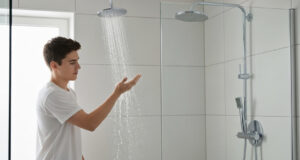
A sudden drop in water pressure can make daily tasks like showering or washing dishes a real chore. More importantly, it often signals hidden trouble within your plumbing system. While it might seem like a simple inconvenience, persistent low water pressure can be a symptom of more significant plumbing issues that need immediate attention. Don’t just learn to live with a weak stream of water; find out what’s causing it.
Several factors can contribute to decreased water pressure. Identifying the root cause is key to finding the right solution. Some common culprits include:
- Leaks: Even a small leak can cause a significant drop in water pressure by diverting water away from your fixtures.
- Blockages: Mineral buildup and sediment can accumulate inside pipes over time, restricting water flow.
- Faulty Fixtures: Sometimes, the problem is isolated to a clogged aerator or a malfunctioning valve.
If you’re experiencing low pressure throughout your home, it’s a strong indication of a systemic problem. A hidden leak or a major blockage could be damaging your home without you even realizing it. Contacting a professional plumber to diagnose the issue is the best way to restore your water pressure and protect your plumbing system from further damage.
2. Discolored or Rusty Water
Have you ever turned on the tap to find brown, yellow, or reddish water? This discoloration is an immediate red flag for your home’s plumbing. It almost always indicates that there is rust or corrosion inside your pipes. As pipes age, especially older ones made of galvanized steel, they begin to break down, and rust particles mix with your water.
Pipe corrosion doesn’t just affect your water’s appearance; it signals the structural integrity of your pipes is compromised. This can eventually lead to leaks and bursts. The age of your plumbing pipes directly affects signs of wear and tear, with older materials being more susceptible. Key causes of discoloration include:
- Pipe Corrosion: The primary cause, especially in homes with galvanized steel or old copper pipes.
- Sediment Buildup: Minerals from hard water can accumulate and break loose into the water stream.
- Water Main Issues: A break in the municipal water line can temporarily stir up sediment.
If you notice persistent water discoloration, it’s time to call a professional plumber. Addressing these plumbing problems early can prevent damage to your appliances, stains on your laundry, and potential health concerns. A plumber can identify the source of the corrosion and advise if a pipe replacement is necessary.
3. Frequent Leaks or Dripping Pipes
A dripping faucet might seem like a minor annoyance, but when leaks become a frequent occurrence, it’s a clear sign that your plumbing system is failing. These recurring drips are more than just a nuisance; they are early warning signs of widespread deterioration. Ignoring them can lead to significant water damage, mold growth, and surprisingly high water bills. These plumbing issues demand your attention before they escalate.
Tracking down leaks is the first step to stopping them. Keep an eye out for subtle clues around your home. You can often spot them by looking for:
- Visible Water Stains: Check for discoloration on ceilings, walls, and floors, particularly under sinks and around toilets.
- Musty Odors: A persistent damp smell often indicates a hidden leak.
- Increased Water Bills: A sudden, unexplained spike in your bill is a classic sign of an undiscovered leak.
Untreated leaks can cause serious long-term damage to your home. Water can weaken structural components, rot wood, and create the perfect environment for mold to thrive. Addressing these plumbing problems promptly is crucial to protecting your property and avoiding expensive repairs. Don’t let a small drip turn into a huge headache.
4. Odd Noises from Pipes or Fixtures
Your home’s plumbing should operate quietly. If you start hearing banging, rattling, or gurgling sounds coming from your pipes, it’s a sign that something is wrong. These strange noises are often symptoms of underlying issues within your plumbing system that shouldn’t be ignored. What visible symptoms should you look for? While the sounds themselves are the primary symptom, they can point to problems that will eventually cause visible damage.
These noises can have several different causes, each indicating a specific problem. Some of the most common reasons for noisy pipes include:
- Water Hammer: A loud bang that occurs when you shut off the water suddenly. This shockwave can damage pipes and joints.
- Air in the Pipes: Gurgling or sputtering sounds can indicate that air is trapped in your water lines.
- Loose Pipes: A rattling sound may mean that the pipes are not securely fastened and are moving around.
While some of these noises might seem harmless, they can signal issues like high water pressure or blockages that put stress on your plumbing system. If the sounds are persistent or accompanied by other problems like leaks, it’s wise to call a professional plumber. They can diagnose the cause and prevent a minor noise from becoming a major pipe failure.
5. Slow or Clogged Drains
Is water taking longer than usual to drain from your sink or shower? A slow drain is one of the earliest warning signs of plumbing issues. While a single slow drain might just be a localized clog, multiple slow drains throughout your home’s plumbing can point to a more serious blockage in your main sewer line. These plumbing problems can quickly escalate if not addressed.
Slow drains are typically caused by a buildup of materials that restrict water flow. Understanding what’s causing the blockage can help you prevent it in the future. Common causes include:
- Hair and Soap Scum: A frequent culprit in bathroom drains.
- Grease and Food Particles: Often the cause of clogs in kitchen sinks.
- Mineral Buildup: Hard water can leave deposits that narrow pipes over time.
Ignoring a slow drain can lead to complete blockages, water backups, and even overflows that cause significant damage. If you’ve noticed one or more drains are consistently slow, it’s a clear sign that you need plumbing maintenance soon. Trying to clear it yourself with harsh chemicals can sometimes damage pipes, so calling a professional is often the safest and most effective solution.
6. Unpleasant Odors Coming from Drains
A foul smell coming from your drains is more than just unpleasant—it’s a warning that something is amiss in your plumbing system. These odors can indicate anything from a simple clog to a severe sewer line problem. How can you tell if the plumbing damage is severe or just normal aging? A persistent, strong odor, especially a sewage smell, often points to a more severe issue than a minor clog.
Different smells can point to different plumbing problems. Being able to identify them can help you understand the urgency of the situation. Some common drain odors include:
- Rotten Egg Smell: This sulfurous odor usually indicates decaying organic matter and bacteria in the drain or a potential sewer gas leak.
- Sewage Smell: A distinct sewer odor from multiple drains is a strong sign of a blocked or broken sewer line.
- Musty Odor: This often points to mold growth caused by a hidden leak near the drain.
These odors can be associated with health risks, especially those related to sewer gas or mold. If you detect a persistent bad smell from your drains, it’s crucial to contact a professional plumber. They can diagnose the source of the problem and ensure your home is safe and odor-free.
7. Visible Corrosion, Rust, or Staining on Pipes
One of the most direct ways to assess your plumbing system’s health is by visually inspecting any exposed pipes. Visible signs of damage like rust, corrosion, or staining are clear indicators that your pipes are deteriorating. The age of your plumbing pipes greatly affects these signs of wear and tear, as older materials are more prone to breaking down. Ignoring these visible warnings can lead to leaks and pipe bursts.
When inspecting your home’s plumbing, you don’t need to be an expert to spot trouble. Look for obvious signs of distress on your pipes, especially at the joints where leaks are common. Pay attention to:
- Discoloration: Greenish stains on copper pipes or orange/brown spots on steel pipes indicate corrosion.
- Flaking or Bubbling: Texture changes on the surface of the pipe suggest advanced corrosion.
- Dampness: Any moisture on or around pipes is a sign of a current or recent leak.
Regular visual inspections are a simple, proactive way to catch problems early. If you spot any rust or corrosion, it’s a good idea to have a professional plumber evaluate the condition of your plumbing system. They can determine the extent of the damage and recommend whether a repair or replacement is needed to prevent future emergencies.
8. Unexplained Spikes in Your Water Bill
Have you been surprised by an unusually high water bill? If your water usage habits haven’t changed, a sudden spike is one of the most common signs that your plumbing is experiencing wear and tear in the form of a hidden leak. These leaks can waste a tremendous amount of water, driving up your bills and causing potential damage to your home’s plumbing and structure.
These plumbing issues are often silent and out of sight, such as a leak in a wall or under your foundation. Even small leaks can add up significantly. For instance, a leaking toilet can waste hundreds of gallons a day, while a dripping faucet can waste thousands of gallons a year. According to the U.S. Environmental Protection Agency, a toilet leak can waste over 200 gallons per day.
If you suspect a leak, turn off all water-using appliances and check your water meter. If the dial is still moving, you likely have a leak. These plumbing problems won’t fix themselves and will only get worse, so addressing them quickly is essential.
| Common Leak Source | Potential Water Waste |
|---|---|
| Dripping Faucet | Over 3,000 gallons per year |
| Leaking Toilet | Up to 200 gallons per day |
| Hidden Pipe Leak | Varies, but can be substantial |
9. Mold or Mildew Growth Near Plumbing Areas
Discovering mold or mildew in your home is always concerning, and it’s often linked to underlying plumbing problems. Mold thrives in damp, dark places, so its appearance near pipes, under sinks, or on walls is a strong indicator of excess moisture, likely from a leak in your home’s plumbing. This is an early warning sign that you need plumbing maintenance soon.
The connection between plumbing leaks and mold is direct. A slow, persistent leak can create the perfect breeding ground for mold spores to flourish. These leaks can go unnoticed for a long time, allowing mold to grow unchecked behind walls or under floors. Look for mold in areas such as:
- Under Sinks: A common spot for small drips from supply lines or drains.
- Behind Toilets: A leaking wax seal or supply line can cause moisture buildup.
- On Walls or Ceilings: Stains or fuzzy growth can indicate a leak inside the wall.
Beyond being unsightly, mold can cause structural damage and pose serious health risks, particularly for those with allergies or respiratory issues. If you find mold, it’s critical to not only clean it up but also to find and fix the source of the moisture. A professional can repair the leak in your plumbing system and prevent the mold from returning.
10. Wobbling Toilets or Loose Fixtures
A toilet that rocks or wobbles when you sit on it is more than just an annoyance—it’s a sign of potential plumbing issues. While it could be as simple as loose bolts, it often indicates a more serious problem at the base of the toilet. How can you tell if the plumbing damage is severe or just normal aging? If tightening the bolts doesn’t solve the problem, the issue is likely more severe than simple loosening over time.
A wobbly toilet is often caused by a failed or broken wax seal. This seal sits between the toilet base and the drainpipe, preventing water and sewer gas from leaking out. When it fails, water can seep out with every flush, leading to several problems:
- Water Damage: Moisture can rot the subfloor around the toilet, causing structural damage.
- Sewer Gas Leaks: A broken seal can allow unpleasant and harmful sewer gases to enter your bathroom.
- Instability: A damaged floor will make the toilet even more unstable.
Ignoring a wobbling toilet can lead to costly repairs. If checking the bolts doesn’t fix the wobble, the wax seal likely needs to be replaced. This is a job best left to a professional plumber, as it involves removing the toilet. Addressing this issue promptly protects your plumbing system and the structural integrity of your floor.
Your Go-To Team for Every Plumbing Emergency—Target Plumbers!
When plumbing issues strike, you need a team you can trust to respond quickly and effectively. At Target Plumbers, we understand that even early warning signs can be stressful. Whether you’re dealing with a minor leak or a major system failure, our expert technicians are here to help. We pride ourselves on diagnosing problems accurately and providing lasting solutions to protect your home. Our goal is to address your plumbing issues before they become emergencies, saving you time, money, and stress.
Don’t wait for a small drip to turn into a flood. If you’ve noticed any of the signs of wear and tear in your plumbing system, from strange noises to a wobbly toilet, give us a call. Our professional plumber team is equipped with the tools and expertise to handle any challenge, big or small. Let us provide you with the peace of mind that comes from knowing your plumbing system is in expert hands. We are committed to keeping your home’s plumbing running smoothly and efficiently.
Conclusion
In summary, recognizing the signs of plumbing wear and tear is crucial for maintaining a healthy home environment. From persistent low water pressure to mold growth near plumbing areas, these indicators can help you address potential issues before they escalate into costly repairs. Regular inspections and being proactive can save you time, money, and unnecessary stress.
This topic is part of a bigger picture. To stay proactive, read our article Plumbing Maintenance Tips for Homeowners and catch other signs before they become serious.
Frequently Asked Questions
What are the most common signs that my plumbing needs attention?
The most common signs include persistent low water pressure, discolored water, slow or clogged drains, and strange noises from your pipes. Also, watch for frequent leaks, unpleasant odors, and sudden spikes in your water bill. These plumbing issues often signal that your home’s plumbing system needs a professional plumber to take a look.
How do I know if a plumbing issue is urgent or can wait?
An issue is urgent if it involves major water leaks, sewage backup, or affects the entire home’s plumbing, like a total loss of water. Minor issues like a single slow drain or a small drip can often be scheduled for a non-emergency appointment, but shouldn’t be ignored for long.
Does older piping always mean I need a full replacement?
Not necessarily. While older pipes are more prone to plumbing problems, a full replacement is only needed if there is widespread corrosion, frequent leaks, or severe damage. A professional plumber can inspect your plumbing system and determine if targeted repairs are sufficient or if a full replacement is the more cost-effective solution.