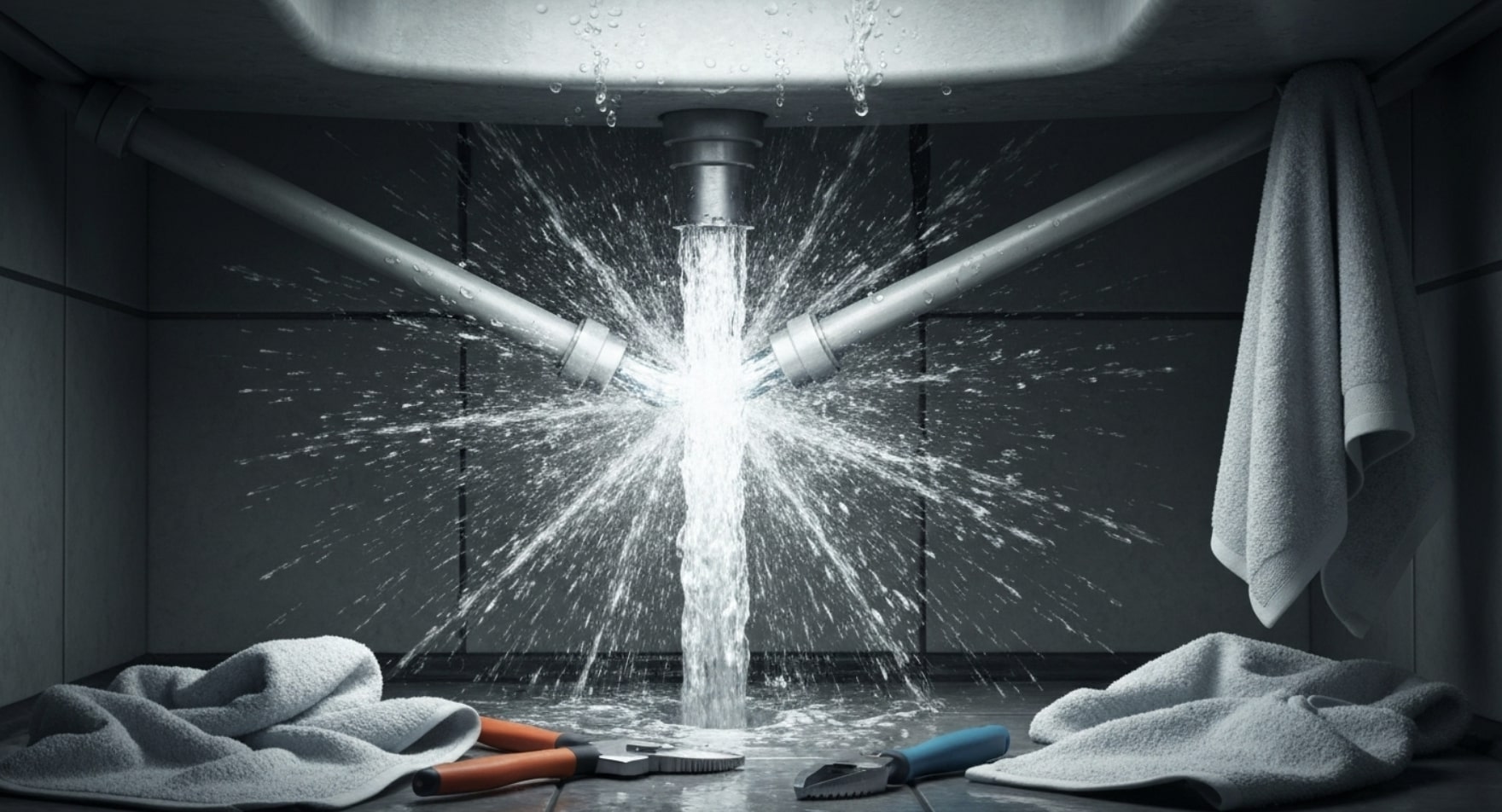
The sound of rushing water where it shouldn’t be is a nightmare for any homeowner. A burst pipe can release hundreds of gallons of water in minutes, leading to immediate panic and the threat of severe water damage. When faced with unexpected pipe bursts, knowing the right steps to take before help arrives can make all the difference. This guide will walk you through the essential actions to control the situation, protect your property, and turn a potential disaster into a manageable problem.
1. Step One: Don’t Panic (Seriously, Don’t)
When you hear rushing water in your walls or see it pooling on the floor, it’s completely normal for your heart to start racing. Your initial instinct might be to panic, but taking a deep breath and staying calm is your most powerful tool. A clear head allows you to act decisively and follow a plan, which can save you from costly repairs and extensive damage to your plumbing system. Remember, this is a manageable situation if you know what to do.
So, how can you tell if a pipe has burst in your house? The signs can be dramatic, like gushing water, or more subtle. You might notice a sudden drop in water pressure, hear hissing or gurgling sounds from behind drywall, or see damp, discolored spots on walls or ceilings. If you spot any of these red flags, it’s time to spring into action. Having a clear emergency plan transforms this chaotic moment into a series of simple, effective steps.
2. Locate and Shut Off the Water
Your absolute first step to minimize water damage is to stop the flood at its source. This means shutting off your home’s main water supply immediately. You need to know where your main water shut-off valve is located before an emergency happens. Typically, you can find it in the basement, a crawl space, a utility closet, or outside near your water meter. Taking a few minutes to locate it now will save you precious time later.
Once you find the valve, turn it clockwise to close it. If you have a lever handle, turn it 90 degrees so it’s perpendicular to the pipe. After you’ve shut off the water supply, open all your faucets, both hot and cold, to drain the remaining water from your plumbing system. This relieves pressure in the pipes and reduces the amount of water that can escape from the damaged pipe, helping to limit further damage.
3. Cut Electricity If Necessary
Water and electricity are a lethal combination. If water from pipe bursts is anywhere near electrical outlets, appliances, or your breaker box, your safety must be the top priority. To prevent the risk of electrocution or an electrical fire, head to your electrical panel and shut off the power to the affected areas. If the water is widespread, it’s safest to flip the main breaker to turn off power to the entire house.
However, do not touch the breaker box if it is wet or if you are standing in water. In that scenario, call an electrician or your utility provider for emergency assistance. It’s also wise to shut down your water heater to prevent it from overheating or sustaining damage. Areas like basements, utility rooms, and kitchens are often most at risk, as they contain a high concentration of both plumbing and electrical systems.
4. Contain the Chaos
Now that you’ve cut the water and power, your next mission is to manage the mess and protect your belongings. The faster you can move things out of the way, the more you can salvage from water damage. Start by moving valuables like electronics, furniture, important documents, and sentimental items to a dry, safe area of your home. The goal is to limit your losses as much as possible.
Once your possessions are out of harm’s way, you can begin to contain the water. Use buckets to catch any remaining drips from the damaged pipe. Mops, towels, and even blankets can be used to soak up water that has already pooled on the floor. Removing as much standing water as you can will help prevent it from seeping into subfloors, drywall, and insulation, which can lead to more severe structural issues and mold growth.
5. Make a Temporary Fix
After the main water supply is off, you might still be dealing with a slow leak from the damaged pipe. A temporary fix can help manage the drips while you wait for a professional plumber to arrive. This is not a permanent solution, but it is one of the key steps to minimize water damage in the short term. You can find pipe clamps or repair sleeves at most hardware stores that can be wrapped around the burst section.
To apply a temporary fix, wrap a piece of rubber around the break in the pipe and then secure a pipe clamp tightly over it. This can often slow or even stop the remaining trickle of water. Remember, this is only a stopgap measure. Pipe bursts require a professional repair to ensure the problem is solved correctly and won’t reoccur. A temporary fix just buys you some valuable time and helps keep the area drier.
6. Document Everything
Before you get too deep into cleanup, grab your phone and start documenting the damage. This step is crucial for your homeowner’s insurance claim. Your insurance company will need proof of the incident and the extent of the water damage. Take clear photos and videos of the source of the leak, the damaged pipe itself, and all affected areas. Be thorough and capture everything.
Make sure your documentation includes water-soaked floors, walls, furniture, and any other belongings that have been ruined. It’s a good idea to create a visual record showing the water levels and how far the damage has spread. Don’t throw anything away until your insurance adjuster has inspected the property, as prematurely discarding items can complicate your claim. This visual evidence will be your best friend when it’s time to file your report.
7. Call the Pros—Yes, Immediately
A burst pipe is a major plumbing problem that is not a DIY project. Once you have managed the immediate safety risks, your very next call should be to a professional for emergency plumbing services. Plumbers are available 24/7 because they know that disasters like pipe bursts don’t wait for convenient business hours. The sooner an expert can get to your home, the quicker they can assess the situation and perform a proper repair.
How can you be sure it’s a burst pipe? Besides the obvious gushing water, signs like a sudden drop in water pressure or discolored water from your faucets are strong indicators. A professional plumber can accurately locate the damaged pipe and determine the best course of action. Attempting a permanent fix on your own can lead to further complications, so leave this job to the trained technicians who have the tools and experience to fix it right the first time.
8. Protect Yourself While Waiting
While you’re waiting for the plumber to arrive, your focus should remain on safety. Even with the water supply and electricity turned off, there are still potential hazards to be aware of. Avoid walking through areas with standing water as much as possible. Floors can become extremely slippery, and you never know what debris might be hidden beneath the surface.
Be mindful of the structural integrity of your home. Water from pipe bursts is heavy and can cause ceilings to sag or drywall to become unstable. If you notice any bulging in your ceiling, stay out of that room entirely, as it could be a sign of an impending collapse. Keep children and pets away from the affected areas to ensure they stay safe. Your goal is to keep everyone out of harm’s way until the plumbing system is properly repaired and the area is secured.
9. Learn From the Incident
Once the crisis is over and your plumbing system is repaired, take the opportunity to learn from the incident. Understanding the main causes of burst pipes can help you prevent a future disaster. Aging pipes, corrosion, high water pressure, and stubborn clogs are all common culprits. In colder climates, freezing is a primary cause, as expanding ice creates immense pressure inside pipes.
So, how can you prevent your water pipes from freezing and bursting? Insulate any pipes located in unheated areas like crawl spaces, attics, or garages. You can also let faucets drip slightly during extreme cold snaps to keep water moving. Scheduling regular plumbing inspections is another proactive step. A professional can identify early warning signs like corrosion or high water pressure and recommend solutions, such as installing a pressure regulator or repiping an old system, to protect your home.
The Bottom Line
Facing a burst pipe can be incredibly stressful, but your quick actions can significantly reduce the potential for catastrophic water damage. By staying calm, shutting off the water and electricity, containing the mess, and calling for help immediately, you can protect your home and your family. These steps transform you from a victim of a plumbing disaster into the first responder for your property, ensuring the situation remains as controlled as possible until professionals take over.
Experiencing a burst pipe can be stressful, but knowing the right steps to take before help arrives is crucial. For expert plumbing services you can rely on, check out our main blog, Why Target Plumbers Are Your Best Plumbing Choice. And while you’re at it, don’t miss our guide on Creating the Perfect Plumbing Maintenance Schedule Today to help prevent emergencies before they happen.
Frequently Asked Questions
How can I spot a burst pipe before major damage occurs?
Look for subtle signs like a sudden drop in water pressure, discolored or rusty water from faucets, or an unexplained spike in your water bill. You might also hear hissing or running water sounds inside your walls when no taps are on. These indicators often point to a damaged pipe before major water damage occurs.
What should I prioritize if multiple pipes burst simultaneously?
If multiple pipes burst, your first priority is to shut off the main water supply to your entire home. Immediately after, turn off the electricity at the main breaker to prevent electrical hazards. Once the area is safe, call for emergency plumbing services to handle the extensive repairs.
How do insurance claims work for burst pipe incidents?
For an insurance claim, you must thoroughly document the water damage by taking photos and videos before cleaning up. Contact your insurance provider right away to report the incident. Do not throw away any damaged items, as an adjuster will need to inspect them to process your claim accurately.
Take Action Before Disaster Strikes!
Dealing with a burst pipe is overwhelming, but you don’t have to handle it alone. While the steps in this guide are crucial for managing an emergency, having a trusted partner on your side is just as important. Here at Target Plumbers, we understand the urgency and stress that come with plumbing disasters. Our team is ready to provide fast, reliable emergency plumbing services 24/7 to get your home back to normal.
Don’t wait for water to be gushing through your walls. Whether you need an urgent repair for pipe bursts or want to schedule a preventive inspection to avoid future problems, our certified technicians are here to help. We are focused on the long-term safety and security of your home. Contact us today to ensure your plumbing system is robust, reliable, and ready for anything.