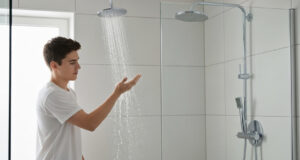
There’s nothing more frustrating than stepping into the shower expecting a powerful, refreshing spray only to be met with a weak drizzle. If you’re tired of lackluster showers, you’re not alone. Many homeowners struggle with low water pressure at some point. The good news is that you don’t have to live with it. The real reason for your shower loses water pressure could be hiding in your plumbing system, and figuring it out is the first step toward getting your satisfying shower back.
1. Mineral Buildup: The Quiet Clog You Can’t See
One of the most frequent culprits behind a sudden drop in shower pressure is something you can’t even see: mineral buildup. If you live in an area with hard water, minerals like calcium and magnesium can accumulate inside your showerhead over time. These deposits clog the tiny nozzles, restricting water flow and turning your strong spray into a disappointing trickle. This is often why it feels like your shower suddenly lost water pressure, even though the buildup was happening gradually.
Can a clogged showerhead cause water pressure to decrease? Absolutely, and luckily, it’s often an easy fix. You can usually solve this problem by removing the showerhead and soaking it in a bowl of white vinegar for a few hours. The vinegar will dissolve the mineral deposits. Afterward, use an old toothbrush to scrub the nozzles clean. This simple cleaning can dramatically improve your water flow and restore your shower’s performance.
2. Your Pressure-Balancing Valve Is Fighting Against You
Have you noticed that your low pressure problem is worse with hot water? The issue might be your pressure-balancing valve, also known as a mixing valve. This component in your plumbing system is responsible for blending hot and cold water to give you the perfect shower temperature. Over the years, these valves can wear out, break, or become clogged with sediment, which can significantly reduce your water pressure.
When this valve malfunctions, it can prevent a sufficient amount of water from reaching the showerhead. This is why your shower might suddenly lose water pressure, or you might find that only the hot or cold side is affected. Does replacing the shower valve help with water pressure issues? Yes, if the valve is faulty, replacing it is often the best solution to restore proper water pressure and temperature control. A professional can help diagnose and replace it correctly.
3. Hidden Leaks Are Stealing Your Pressure
A more serious cause of low water pressure could be a hidden leak somewhere in your plumbing system. Even a small pinhole leak in a pipe can divert a significant amount of water before it ever reaches your shower. This means less water is available for your use, resulting in a noticeable drop in pressure. You might spot other signs of a leak, like damp spots on walls or ceilings, but sometimes the leak is completely out of sight.
These hidden leaks not only waste water and drive up your utility bills but can also cause serious water damage to your home’s structure over time. If you suspect a leak is behind your sudden loss of water pressure, it’s crucial to address it immediately. A professional plumber has the tools to locate and repair hidden leaks within your plumbing system, protecting your home and restoring your water pressure.
4. A Failing Water Heater (Yes, Really)
It might seem unrelated, but your water heater can absolutely be the reason for your low shower pressure. Over time, sediment and mineral deposits from your water supply can settle at the bottom of your water heater tank. This buildup can eventually travel into your pipes and create a blockage at the hot water outlet, restricting the water flow from the heater to your shower. Is it possible for a water heater problem to affect shower pressure? Yes, especially if you only notice the issue when using hot water.
If you suspect sediment buildup is the problem, flushing your water heater can help. This process involves draining the tank to clear out the accumulated debris. Performing this maintenance periodically can prevent clogs and ensure a steady flow of hot water throughout your home. If the problem persists, a professional inspection can determine if other components in your water heater are malfunctioning.
5. Your Home’s Main Line is Partially Blocked
If the low water pressure isn’t just in your shower but affecting all the fixtures in your home, the problem might lie with your main water line. This is the primary pipe that brings water from the municipal supply into your house. A partial blockage from tree roots, sediment, or corrosion in this line can reduce the overall water pressure for your entire plumbing system. Could issues with water supply lines lead to lower shower pressure? Definitely, as this is the source for all your home’s water.
The issue could be on your property or with the municipal supply itself. It’s helpful to know who is responsible for which part of the system. A professional plumber can help determine if the partial blockage is within your property line and requires your attention.
| Area of Responsibility | Who to Contact |
|---|---|
| Municipal Water Main & Supply Lines | Your Local Water Utility Provider |
| Your Home’s Main Supply Line & Internal Pipes | A Professional Plumber |
6. Your Showerhead is Simply Low-Flow (Even If You Didn’t Know It)
Sometimes, the feeling of low pressure isn’t due to a problem at all but is by design. Many modern showerheads are low-flow models created to conserve water. While great for the environment and your water bill, a low-flow showerhead can make your shower feel less powerful than you’d like. These fixtures intentionally restrict water flow to meet efficiency standards, which can be mistaken for a pressure issue.
You can check if you have low pressure by measuring the flow rate. Place a 1-liter jug under your shower and time how long it takes to fill. If it takes longer than six seconds, your pressure might be genuinely low. If it fills faster, but the spray still feels weak, you may simply have a low-flow showerhead. In this case, switching to a standard model could give you the more forceful shower you’re looking for.
7. The Real Reason: It’s Usually a Combination
While it’s tempting to search for a single culprit, the real reason your shower lost its power is often a combination of factors. Your plumbing system is a complex network, and low water pressure can be the result of several small issues adding up. For instance, you might have minor mineral buildup in your showerhead, a slightly worn-out mixing valve, and a small amount of sediment in your water heater.
Individually, none of these problems might cause a noticeable drop in pressure. However, when they happen at the same time, their combined effect can turn your once-powerful shower into a weak trickle. This is why diagnosing the common causes of low water pressure can be tricky. It’s often not just one thing but a layering of issues that need to be addressed to fully restore your water pressure.
Conclusion
In conclusion, understanding the various reasons behind a shower loses water pressure can be a game changer for your daily routine. From mineral buildup to hidden leaks, we’ve explored several culprits that may be stealing your water pressure. Remember, it’s often a combination of factors at play, so a thorough investigation is key. By addressing these issues, you can not only enhance your shower experience but also prolong the lifespan of your plumbing fixtures.
Want to dive deeper into fixing common bathroom issues? Check out our main guide, “Essential Bathroom Plumbing Solutions for Every Homeowner,” for a full breakdown of the most important maintenance tips every homeowner should know. And if you’re dealing with pressure problems throughout the house—not just the shower—don’t miss “12 Hidden Causes of Low Water Pressure in Your Home.”
Frequently Asked Questions
Can a clogged showerhead be the reason for my low shower pressure?
Yes, absolutely. A clogged showerhead is one of the most common reasons for low water pressure. Over time, mineral deposits can block the nozzles and restrict water flow. Cleaning the showerhead or replacing it can often restore your plumbing system’s pressure and improve your shower experience.
Does replacing the shower valve really improve water pressure?
Yes, if the shower valve is old, worn out, or clogged, replacing it can significantly improve your water pressure. A faulty valve can’t properly regulate water flow, leading to low water pressure. A professional plumber can determine if this is the issue and install a new valve to restore your plumbing system’s performance.
Could the water heater be the cause of weak shower flow?
Yes, your water heater can definitely cause weak water flow. Sediment buildup inside the tank can obstruct the hot water outlet pipe, reducing the hot water pressure to your shower. If you notice low water pressure only when using hot water, your water heater is a likely culprit.
Ready to Fix Your Shower Pressure?
Tired of low water pressure ruining your showers? If cleaning the showerhead and checking the valves hasn’t helped, it’s time to call Target Plumbers. Our experts quickly diagnose and fix plumbing issues of any size, from hidden leaks to sediment buildup. We’ll restore your water pressure so you can enjoy strong, refreshing showers again. Contact Target Plumbers today and say goodbye to weak water flow!