A sudden plumbing problem can disrupt your day and cause immense stress. From a burst pipe to a backed-up sewer line, the potential for significant water damage is a major concern for any homeowner. While your first instinct might be to panic or try a quick fix, knowing what not to do is just as important as knowing what to do. This guide will walk you through the most common emergency plumbing mistakes homeowners make, helping you avoid costly errors and protect your home.
Emergency Plumbing Mistakes Homeowners Commonly Make and Should Avoid
Emergency plumbing situations require calm, smart decisions. Unfortunately, many homeowners make avoidable mistakes that lead to more damage, higher repair costs, and unnecessary stress. Here are the top emergency plumbing mistakes you should avoid—and what to do instead.
1. 🚫 Not Turning Off the Water Immediately
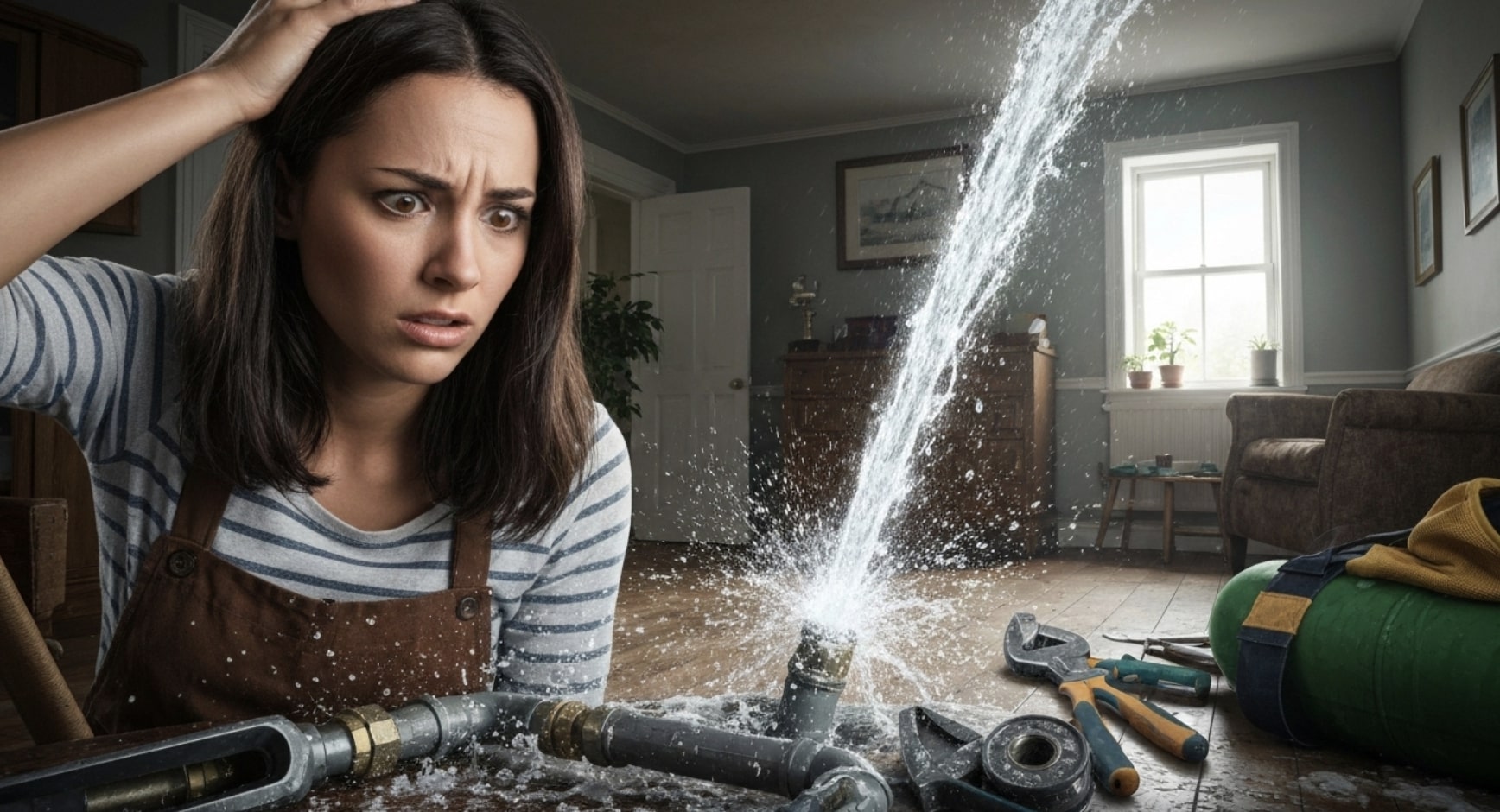
The absolute first step in any plumbing emergency involving a leak is to shut off the water supply. Many homeowners panic and forget this crucial action, allowing water to continue flooding their property. This delay can turn a manageable issue into a catastrophic one, causing widespread water damage to floors, walls, and furniture.
Do you know where your main water shut-off valve is? If not, find it now. It’s often located in the basement, a crawl space, or an exterior wall. In a crisis, being able to quickly stop the flow of water is your best defense against extensive damage. Taking a few seconds to turn this valve can save you thousands of dollars in repairs.
Once the water is off, the immediate threat is contained. This gives you a moment to breathe and assess the situation without the pressure of rushing water. Only after the water is off should you call an emergency plumber to handle the repair of your plumbing system.
2. 🛠️ Attempting a Major Repair Without Experience
While the DIY spirit is admirable, a major plumbing emergency is not the time to test your skills. Trying to fix a burst pipe or a malfunctioning water heater without professional training can go wrong very quickly. You might use the wrong tools, overtighten a fitting, or misdiagnose the root of the plumbing problems, leading to even more significant leaks.
A simple mistake can escalate a contained issue into a full-blown disaster. For example, attempting to patch a burst pipe with tape is only a temporary fix that can fail under pressure, causing a second flood. Without the right expertise, you risk causing more harm than good to your home’s complex plumbing network.
It’s always safer and more cost-effective in the long run to call for professional plumbing services. An emergency plumber has the correct tools, parts, and experience to diagnose and resolve the issue correctly the first time, preventing further damage and ensuring a lasting solution for your emergency plumbing needs.
3. 💡 Ignoring Electrical Risks Around Water
Water and electricity are a deadly combination, and this risk is often overlooked during the chaos of a plumbing emergency. If you have standing water in your home, especially near outlets, appliances, or electrical panels, you are facing a serious hazard. The risk of electrocution is real and should be your top priority after shutting off the water.
Before you step into a flooded area, make sure the electricity to that part of your home is turned off at the breaker box. If you cannot safely access your breaker box because of water, do not attempt to wade through it. Your safety is more important than salvaging property.
In situations like a flooded basement or a leak near major appliances, it is critical to call an emergency plumber immediately. Professionals are trained to handle these dangerous scenarios safely. They can assess the situation and coordinate with other professionals if needed to secure the area before addressing the plumbing system and preventing further water damage.
4. ⏱️ Waiting Too Long to Call for Help
One of the biggest mistakes homeowners make is thinking a “small” leak will fix itself or can wait until morning. Procrastination is your enemy in an emergency plumbing situation. A slow drip can waste hundreds of gallons of water, increase your utility bills, and saturate building materials, leading to mold, mildew, and structural decay.
What may seem like a minor issue on the surface could be a sign of a much larger problem within your walls or under your floors. For instance, low water pressure throughout the house could indicate a hidden leak in your main water line. The longer you wait to address these plumbing problems, the more extensive and expensive the repairs will become.
Don’t hesitate. As soon as you notice signs of a serious issue like a burst pipe, sewage backup, or a faulty water heater, call an emergency plumber. Promptly seeking professional plumbing services ensures the problem is contained and repaired quickly, minimizing damage and restoring your home to normal.
5. 🧼 Using the Wrong Chemicals to Unclog Drains
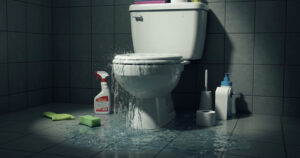
Using chemical drain cleaners for clogged sinks or toilets is a common mistake. While they may temporarily clear blockages, these harsh chemicals can damage pipes, cause leaks, and create costly repairs. They also pose safety risks—leaving toxic liquids behind that can cause burns and endanger plumbers. Instead, use a plunger or plumbing snake for minor clogs. For stubborn issues, call a professional who can safely resolve the problem without harming your plumbing.
6. 📞 Calling the Wrong Kind of Help
In a panic, you might hire the first person you find or a general handyman to save money. However, using unlicensed or inexperienced technicians for emergency plumbing is risky. Plumbing systems are complex, and improper repairs can cause recurring problems, code violations, and even more damage. Unlicensed workers often lack proper training, insurance, and tools; if they make mistakes, you have little recourse and may pay more for a professional to fix their errors. Always hire licensed and insured plumbers who understand local codes and offer lasting solutions. Taking time to choose the right professional is worth the peace of mind.
7. 🧾 Failing to Document the Damage
After a plumbing emergency, don’t start cleanup before documenting the water damage. Failing to do so can hurt your insurance claim and reduce your settlement. Take photos and videos of the leak source, standing water, damaged items (furniture, electronics), and affected structural areas (walls, flooring). Even small leaks should be documented to show damage progression. Make a detailed list of damaged items; an emergency plumber can help identify affected plumbing components. Thorough documentation—photos of the source, standing water, personal property, structural damage, and repair receipts—is essential for your insurance adjuster and reimbursement.
Conclusion
In summary, navigating plumbing emergencies can be daunting, but being aware of common emergency plumbing mistakes can save you time, money, and stress. From turning off the water promptly to calling the right professionals, every decision counts when facing a plumbing crisis. By avoiding these pitfalls, you can ensure that your home remains safe and functional. Remember, knowledge is power, so stay informed and prepared for any plumbing challenges that may arise.
For a deeper look at why choosing the right plumber matters in an emergency, check out Why Target Plumbers Are Your Best Plumbing Choice. And if you’re prepping for colder months, don’t miss our essential guide: Must-Know Steps to Prevent Frozen Pipes This Winter.
Frequently Asked Questions
What should I do first when I discover a plumbing emergency at home?
The very first thing you should do is locate and shut off your home’s main water valve to stop the flow of water. This single action is the most effective way to prevent further damage. Once the water is off, you can safely assess the plumbing emergency and call an emergency plumber for professional plumbing services.
Can ignoring small leaks during a plumbing emergency lead to bigger problems?
Absolutely. Ignoring even a small leak is a major mistake. That minor drip can lead to significant water damage over time, promoting mold growth, rotting structural components, and creating more complex plumbing problems. Addressing common plumbing emergencies promptly is crucial for protecting your plumbing system and your home.
What are the most common mistakes people make during a plumbing emergency?
The most common mistakes include not shutting off the water main immediately, attempting complex DIY repairs without experience, using harsh chemical drain cleaners, and waiting too long to call for professional plumbing services. Avoiding these errors can save you from more severe plumbing problems and costly repairs to your plumbing system.
How can I avoid making mistakes while dealing with an emergency plumbing situation?
To avoid mistakes, stay calm and prioritize safety. First, shut off the water and electricity if needed. Then, avoid quick fixes like chemical cleaners or major DIY repairs. Document the water damage with photos and call a licensed emergency plumber immediately to handle the plumbing problems with professional plumbing services.
What can go wrong if I try to fix a burst pipe without professional help?
Attempting to fix a burst pipe yourself can lead to further water damage. You might use the wrong materials, fail to create a secure seal, or cause another break in the pipe. This can turn a contained plumbing emergency into a major flood, increasing repair costs and creating more significant plumbing problems.
Need Emergency Plumbing Help Right Now?
Facing a plumbing crisis? Don’t wait—Target Plumbers is available 24/7 for emergency service. Our certified experts handle burst pipes, sewer backups, faulty water heaters, and more. We respond quickly to minimize damage and restore your home’s safety. Call Target Plumbers now for fast, reliable help.