When you think about home care, do certain plumbing maintenance tasks slip your mind? It’s easy to focus on the obvious, but many crucial checks are often overlooked. Your home’s plumbing system is a complex network, and neglecting the small stuff can lead to big, expensive problems. This guide will walk you through the most forgotten maintenance tasks and explain why they are so important for keeping your system running smoothly and efficiently, saving you stress and money.
Why Overlooked Plumbing Maintenance Matters
A minor issue in your plumbing system can quickly escalate into a major headache. For example, a single faucet dripping once per minute can waste over 34 gallons of water in a year. While that might seem small, the cumulative effect on your water bill and the environment is significant.
Beyond the waste, undetected leaks can cause severe structural damage. Water seeping into walls or under floors leads to wood rot, compromises your home’s integrity, and creates a damp environment perfect for mold and mildew growth. These problems are not only costly to fix but can also pose health risks to your family.
This is why regular plumbing maintenance is so critical. Tasks like checking for slow drains, which can signal a future clog, or inspecting hidden pipes for corrosion help you catch problems early. Addressing these small concerns promptly prevents them from turning into catastrophic and expensive failures.
Long-Term Cost Savings and Prevention
Investing a small amount of time in plumbing maintenance translates directly into significant long-term savings. Emergency repairs are always more expensive than scheduled ones, often carrying higher labor rates for immediate service. By preventing these emergencies, you protect your budget from unexpected hits.
A consistent maintenance checklist also extends the lifespan of your pipes, fixtures, and appliances like your water heater. When your system runs efficiently, it experiences less wear and tear, delaying the need for costly replacements.
Think about the financial benefits of prevention. Simple weekly or monthly checks can make a huge difference.
- Preventing Water Damage: Catching leaks early avoids expensive repairs to drywall, flooring, and foundations.
- Lower Utility Bills: Fixing running toilets and leaky faucets reduces water waste, directly lowering your monthly bills.
- Avoiding Emergency Calls: Addressing a slow drain before it becomes a full blockage means you won’t need an emergency plumber for a messy backup.
Hidden Plumbing Problems in the Home
Some of the most destructive plumbing issues are the ones you can’t see. Paying attention to subtle signs and performing specific checks can uncover these lurking issues before they escalate. Let’s explore some of the most common hidden problems and how you can find them.
Pipe Leaks in Walls and Ceilings
Hidden leaks in walls or ceilings are a common plumbing issue, often unnoticed until visible damage appears. Watch for signs like water stains, peeling paint, warped walls, or musty odors—these suggest ongoing water seepage that can lead to mold and structural damage. Ignoring these warning signs can result in costly repairs beyond just plumbing. Early detection is critical; professionals may use tools like acoustic sensors or thermal cameras to locate hidden leaks without cutting into walls. If you suspect a leak, act quickly to minimize damage.
Silent Toilet Leaks and What to Watch For
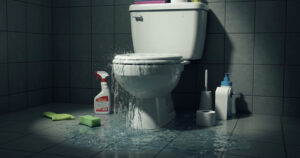
A running toilet is annoying, but a silent leak can waste hundreds of gallons of water unnoticed. This often occurs when the flapper or fill valve fails to seal tightly, letting water trickle from the tank to the bowl. To test for leaks, add food coloring to the tank and wait 30 minutes without flushing. If the color appears in the bowl, you have a leak. Including this check in your plumbing maintenance can save money. Inspect for a damaged flapper, faulty fill valve, and loose or worn connections needing replacement.
Monthly Plumbing Maintenance Tasks You May Be Missing
A thorough maintenance checklist should include these often-missed monthly inspections. Let’s look at a couple of simple yet effective tasks you should perform every month to avoid trouble down the line.
Inspecting Water Meter for Unusual Activity
To check for hidden leaks in your home’s plumbing, monitor your water meter. First, locate the meter and record its reading. Then, ensure no water is used for a few hours. Take another reading afterward; if the numbers have changed, you likely have a leak. If so, consider investigating further or contacting a professional.
Checking Sink and Shower Drains for Slow Drainage
A slow drain signals a developing clog. If water drains slowly or you hear gurgling, act quickly to prevent complete blockage and messy backups. Regular checks and maintenance help avoid bigger issues.
Preventative steps:
- Use drain screens to catch hair and debris.
- Avoid pouring grease down the sink.
- Flush drains with hot water regularly to dissolve buildup.
Weekly and Seasonal Habits for Healthy Plumbing
Adapting your regular plumbing maintenance routine to the time of year is essential for preventing weather-related damage. Let’s explore some simple habits you can adopt to keep your system in top shape all year round.
Flushing Out Unused Fixtures and Drains
Unused drains, like those in guest bathrooms or basements, can cause problems if neglected. Each drain has a P-trap that holds water to block sewer gases. If not used, the water evaporates, letting odors enter your home. To prevent this, pour a gallon of water down unused drains monthly. This refills the trap and keeps your home’s air clean.
Preparing Plumbing for Changing Weather
Seasonal plumbing maintenance is essential to prevent major issues like burst pipes. As fall arrives, prepare outdoor plumbing for freezing temperatures. When water freezes, it expands and can burst pipes or hoses, making winterization crucial in cold climates.
Before the first freeze:
- Disconnect all garden hoses from outdoor spigots.
- Shut off and drain outdoor water lines if possible.
- Insulate outdoor spigots and any exposed pipes in unheated areas with foam covers.
Plumbing Maintenance Tips for Facility Managers
Creating a detailed plumbing maintenance checklist tailored to your facility’s specific needs is the first step. The following maintenance tasks are crucial for keeping a commercial plumbing system efficient, safe, and compliant with codes.
Mapping and Documenting Plumbing Systems
In a large facility, knowing the location of every pipe, valve, and meter is crucial, especially in emergencies. Maintaining a detailed plumbing map helps staff quickly find and shut off water lines during leaks, reducing damage and downtime. Clearly labeling pipes and valves eliminates guesswork during repairs. Modern facilities should use digital mapping tools for easy updates after renovations or construction. Ensure all maintenance staff know how to access and read the map as part of routine operations.
Training Staff on Water Conservation and Leak Detection
Effective facility maintenance requires teamwork. Train staff and occupants in water conservation and leak detection to reduce plumbing wear and utility costs. Educate users on proper disposal practices, using clear signage near sinks and toilets as reminders. Set up a simple reporting system for issues, such as a dedicated email or online form. Encourage good habits: report dripping faucets, use water wisely, recognize early problem signs like slow drains or odd noises, and prevent clogs by keeping grease and non-biodegradable items out of drains.
Easy DIY Checks That Prevent Major Problems
You don’t have to be a plumber to perform some of the most impactful maintenance tasks. Many simple DIY checks can prevent major problems from developing, saving you from a future emergency call. Adding these to your regular maintenance checklist empowers you to take control of your home’s health.
Monitoring Water Pressure and Valve Function
Your home’s water pressure is crucial for plumbing health. High pressure can stress pipes and appliances, causing leaks or early failure; low pressure may indicate a blockage or hidden leak. Check it yourself with a pressure gauge on an outdoor hose bibb—ensure all other water use is off for accuracy. Ideal pressure is 40–60 psi. If it’s too high or low, you may need to adjust the pressure-regulating valve. Checking pressure is easy, but adjustments are best handled by a professional plumber.
Testing Shut-Off Valves and Emergency Procedures
In a plumbing emergency, knowing how to locate and operate your main water shut-off valve can prevent severe water damage. Every household member should know where the main and fixture shut-off valves are. Test these annually to ensure they aren’t stuck or corroded, including your water heater’s pressure relief valve.
Emergency Plumbing Checklist:
- Find the main water shut-off valve.
- Test fixture valves under sinks and behind toilets.
- Keep a trusted plumber’s number handy.
Frequently Overlooked Areas in Outdoor Plumbing
Your home’s plumbing doesn’t stop at the walls. Outdoor plumbing components are just as important but are frequently neglected. Exposed to the elements, these areas require specific attention to prevent weather-related damage and ensure they function properly when you need them.
Maintaining Hose Bibbs and Outdoor Spigots
Outdoor hose bibbs are prone to damage from freezing temperatures. To prevent burst pipes, disconnect garden hoses before the first frost. Left attached, trapped water can freeze and crack supply lines inside your walls. After removing hoses, check spigots for leaks and repair them as needed. For added protection, cover spigots with Styrofoam insulation covers from any home improvement store. This simple step can help you avoid costly winter damage.
Cleaning Gutters and Sump Pump Lines
Your gutters and sump pump are essential for managing water and protecting your home’s foundation. Clogged gutters can cause water to pool around the foundation, leading to leaks. Your sump pump protects against flooding during heavy rains, so inspect and test it before the rainy season.
Here’s a simple maintenance checklist:
| System | Maintenance Task | Frequency |
|---|---|---|
| Gutters | Clear leaves and debris | Twice a year (Spring & Fall) |
| Downspouts | Ensure water is directed away from foundation | Twice a year (Spring & Fall) |
| Sump Pump | Clean pit and test float switch | Annually (before rainy season) |
Your Lifeline for Leaks, Clogs, and More—Target Plumbers Deliver
While DIY plumbing maintenance is great for many tasks, there are times when you need the expertise of a professional. When you’ve tried troubleshooting an issue without success, or when a repair requires specialized tools and knowledge, calling a licensed plumber is the safest and most effective choice. At Target Plumbers, we have the experience to handle any problem, big or small.
A professional plumber is invaluable for home maintenance because we can perform comprehensive inspections to detect issues you might miss. From using video cameras to inspect sewer lines to diagnosing the root cause of low water pressure, we provide solutions that ensure the long-term health of your system. Completing your plumbing maintenance checklist with an annual professional inspection gives you the ultimate peace of mind.
Conclusion
In conclusion, plumbing maintenance is an essential aspect of homeownership that is often neglected. By being proactive and addressing the overlooked plumbing maintenance tasks outlined in this blog, you can save yourself from headaches and costly repairs down the line. Remember, small issues can escalate into significant problems if left unchecked. Regularly inspecting your plumbing system not only enhances its longevity but also improves your home’s overall efficiency. Ensuring that you stay on top of monthly, weekly, and seasonal maintenance will keep your plumbing running smoothly.
We spotlighted these tasks in our Smart Plumbing Maintenance for Modern Homes blog—see what you might be missing. Your home deserves the best care, and we’re here to help!
Frequently Asked Questions
Which plumbing tasks should I do myself versus call a professional?
You can handle simple maintenance tasks like cleaning drains, testing for silent toilet leaks, and checking for visible drips. For more complex issues like persistent low water pressure, hidden leaks, water heater repairs, or any task requiring specialized tools, it is always best to call a professional plumber.
How does seasonal change impact my plumbing maintenance routine?
Seasonal changes require specific maintenance tasks. In the fall, you should focus on winterizing by disconnecting hoses and insulating pipes to prevent freezing. In the spring, inspect for any leaks that may have occurred during the thaw, and clean gutters and outdoor drains to prepare for heavy rains.
What is the most important overlooked plumbing task for preventing water damage?
One of the most critical overlooked tasks is regularly checking your water meter for unexplained usage. This simple check can alert you to a hidden leak anywhere in your home’s plumbing system, allowing you to address it long before it causes significant water damage to your property.