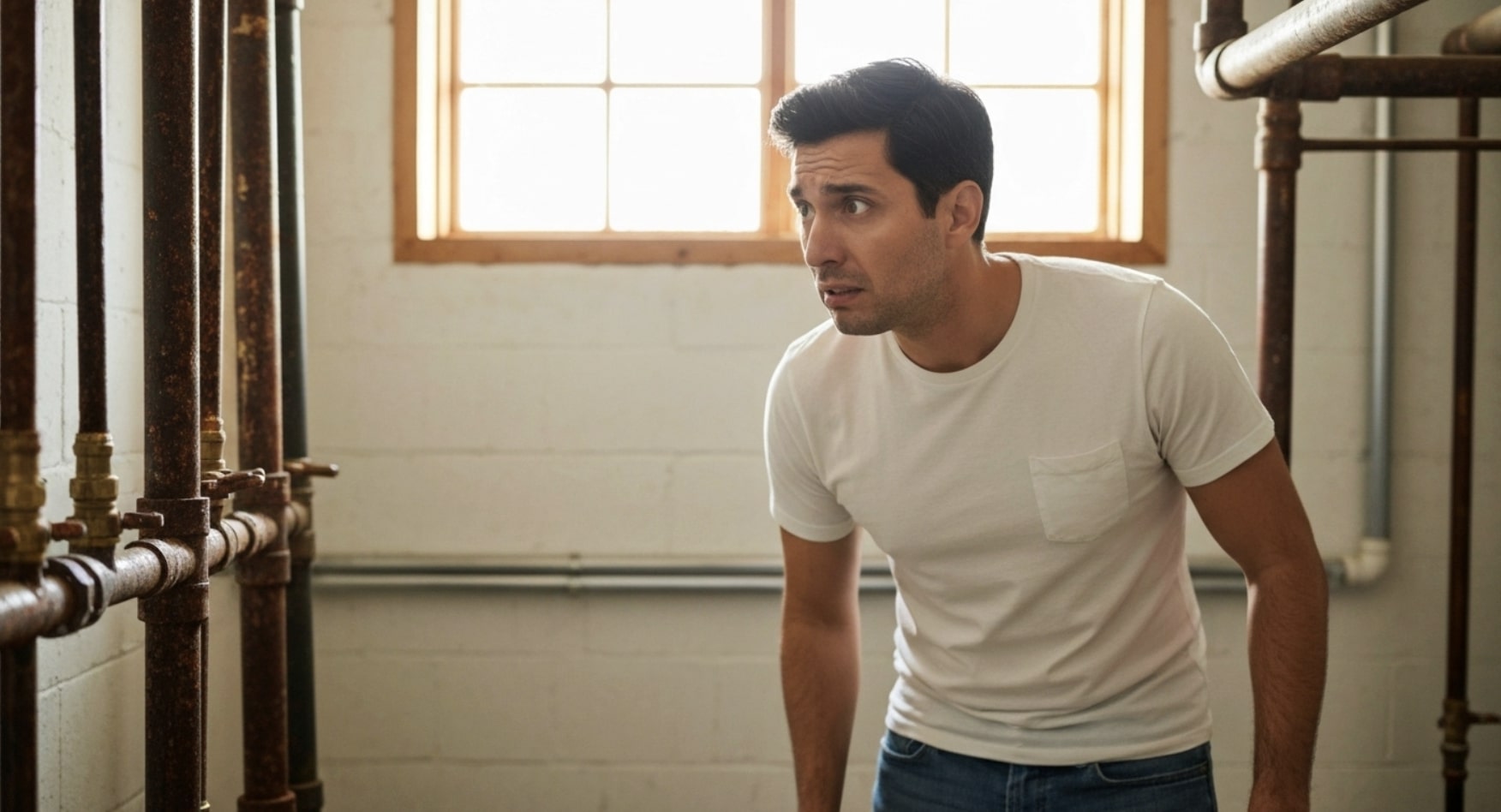
Do you hear a sudden banging noise coming from your walls when you turn off a faucet? These startling sounds from your water pipes can be more than just an annoyance; they often signal underlying plumbing issues. While it might be tempting to ignore them, noisy pipes can be a warning sign of problems that could damage your home’s plumbing. Understanding the source of the noise is the first step toward finding a solution and protecting your pipes from long-term harm. So, should you be worried? Let’s explore the causes and risks when your pipes start making banging noises.
Common Causes of Banging and Knocking Pipes
Several different issues can cause that frustrating banging noise in your water pipes. Identifying the specific reason is key to applying the right fix. The sound you hear is often a clue to what’s happening inside your walls. Below, we’ll look at the most frequent culprits behind these plumbing issues.
Water Hammer Effects in Residential Plumbing
One of the most frequent sources of a loud banging sound is a phenomenon known as water hammer. This happens when a valve is closed quickly, abruptly stopping the flow of water. The momentum of the water creates a shockwave that travels back through the pipe, causing it to vibrate and slam against its surroundings. This is why you often hear the noise when a washing machine cycle ends or you shut off a faucet suddenly.
Homes built before the 1960s often have T-shaped air chambers in the plumbing, designed to absorb this shock. Over time, these chambers can fill with water, rendering them ineffective. If your home has these, you might need to drain the plumbing system to allow air back into the chambers.
Modern homes typically use water hammer arrestors, which contain a spring-loaded piston to absorb the pressure surge. While these are more reliable, they can occasionally fail. If you suspect a water hammer is causing your noisy water pipes, investigating these components is a good place to start.
High Water Pressure and Its Consequences
Excessively high water pressure is another common reason for noisy pipes in your home’s plumbing. When water rushes through the system with too much force, it can cause the pipes to shake and rattle, even if they are properly secured. This often produces a quieter, continuous tapping or vibrating sound rather than a single, loud bang.
Residential water pressure should ideally be between 40 and 80 PSI. Anything above 80 PSI is considered too high and can strain your entire plumbing system, leading to more than just noise. This constant stress can wear down pipe joints, fixtures, and appliances, increasing the risk of leaks and costly damage.
You can check your home’s pressure with a simple water pressure gauge, which attaches to an outdoor hose bib. If you find the pressure is too high, installing a pressure-reducing valve (PRV) is an effective way to regulate it. For issues related to hot water, a thermal expansion tank can also help absorb excess pressure.
Air Trapped in Household Pipes
Have you noticed a sputtering faucet followed by a loud banging noise? This is often a sign of air trapped in your pipes. Air pockets can get into your plumbing system after maintenance work or if the system is not properly vented. These pockets disrupt the smooth flow of water, creating pressure surges that cause the pipes to shudder and knock.
The sound happens because water, which is not compressible, slams into the compressible pocket of air, causing a jolt within the pipe. This can happen anywhere in the system and is one of the more common plumbing issues that lead to noisy pipes.
Fortunately, this is often a problem you can fix yourself. Draining your entire plumbing system by turning off the main water supply and opening all your faucets can effectively purge the trapped air. Once the system is empty, you can slowly refill it, which usually resolves the issue.
Loose or Unsecured Pipe Runs
Sometimes, the cause of a banging noise is purely mechanical. Over time, the straps or clips that hold your water pipes in place can become loose. When water flows through these unsecured pipes, especially when it starts or stops, the pipe can move and bang against walls, floor joists, or even other pipes.
This type of banging noise typically only occurs when water is actively running through the pipe. If the sound stops the moment you turn off the faucet, it’s a strong indicator that you’re dealing with a loose pipe. The movement is caused by the force and vibration of the water itself.
If you can access the noisy pipe, you can often fix this issue by securing it with new straps or clips. When doing so, be careful not to clamp it down too tightly. Pipes need a little room to expand and contract with temperature changes, so the fit should be snug but not rigid.
Can Banging Pipes Cause Plumbing Damage?
Yes, the forces that cause a banging noise can absolutely lead to significant plumbing damage. A water hammer, for instance, sends a powerful shockwave through your pipes. Over time, this repeated stress can weaken pipe joints and fittings, eventually causing them to fail and leak. This is especially true for older plumbing systems that may already be fragile.
Furthermore, constant vibration from high water pressure or loose pipes can wear down the pipes themselves and the connections to your fixtures and appliances. Your washing machine, dishwasher, and even your water heater can suffer from these repeated jolts, potentially leading to premature failure and costly replacements.
Ignoring these noisy pipes is a gamble. While a single bang might not cause immediate harm, the cumulative effect of ongoing knocking can compromise the integrity of your home’s plumbing. Taking action to stop the banging noise is a key step in preventing future leaks and water damage.
How to Diagnose the Source of Noisy Pipes
A simple way to start your investigation is to systematically test each of your water fixtures and appliances. Go through your house and operate one water-using item at a time, listening carefully for the banging noise. This can help you isolate the problem to a specific area or type of use.
Make a note of which actions trigger the sound. For example, does the banging happen only when you flush a particular toilet or when the washing machine fills with water? This information is a valuable clue.
Here are some common culprits to test:
- Washing machines and dishwashers: These appliances have valves that shut off water flow quickly, making them a frequent cause of water hammer.
- Toilets: A worn-out fill valve can close abruptly, causing a bang.
- Faucets: Quickly turning off a single-handle faucet can trigger the noise.
- Outdoor spigots: These can also be a source, especially if connected to long runs of pipe.
Differentiating Between Water Hammer, Air, and Loose Pipes
Once you have an idea of when the noise occurs, you can start to differentiate between the most common causes. Water hammer, trapped air, and loose pipes each have distinct symptoms. Recognizing these differences is key to applying the correct fix for your noisy pipes.
A water hammer typically produces a single, loud bang or a series of sharp knocks immediately after you shut off the water. In contrast, trapped air might create a more erratic series of bangs accompanied by sputtering from the faucet. Loose pipes usually rattle or bang continuously while water is flowing.
To make it easier, here’s a table that breaks down the common signs of each issue:
| Issue | Sound Characteristics | When It Occurs |
|---|---|---|
| Water Hammer | A single loud bang or a few sharp knocks. | Immediately after water is turned OFF. |
| Trapped Air | Sputtering followed by a shuddering or banging noise. | When water is first turned ON. |
| Loose Pipes | A continuous rattling or tapping sound. | The entire time water is running. |
Effective DIY Fixes for Banging Pipes
After diagnosing the likely cause of the banging noise, you might be relieved to know that many common plumbing issues can be resolved with some simple DIY fixes. You don’t always need to call a professional right away. These solutions target the root causes of most noisy water pipes.
Draining and Refilling Your Plumbing System
If you suspect trapped air is the cause of your noisy water pipes, draining the system is the most effective solution. This process resets the air chambers in older homes and purges any air pockets that have formed in the lines, which is often the source of the banging noise.
To do this, start by shutting off the main water valve to your house. Next, open all the faucets, both hot and cold, starting with the highest one in your home and working your way down to the lowest. Don’t forget to flush all the toilets to completely drain the system.
Once all the water has stopped flowing, close all the faucets. Then, slowly turn the main water valve back on. You will hear the pipes refilling. As they fill, air will be pushed out through the faucets, so you may hear some hissing. This simple procedure often resolves banging noises caused by air.
Adjusting and Regulating Water Pressure
High water pressure is a sneaky cause of noisy pipes and potential plumbing issues. If your pipes are vibrating or making a continuous banging noise while water is running, checking the pressure is a wise move. You can buy an inexpensive water pressure gauge from any hardware store.
Simply attach the gauge to an outdoor spigot and turn it on. The ideal pressure for a residential system is between 40 and 80 PSI. If your reading is above 80 PSI, you’ve likely found your problem. This excess force is what’s causing the pipes to shake.
To fix this, you may need to install or adjust a pressure-reducing valve (PRV). This device is usually located near your main water shutoff valve. Some are adjustable with a simple turn of a screw, while in other cases, you may need a plumber to install one. Regulating your water pressure will not only quiet your pipes but also protect your entire plumbing system.
Securing Pipes and Adding Insulation
If your investigation points to loose pipes, the fix can be very straightforward. The goal is to stop the pipe from moving and hitting adjacent surfaces. First, you’ll need to locate the noisy section of the pipe, which is easiest in exposed areas like basements or crawl spaces.
Once you find the culprit, you can secure it using pipe straps or clips, which are readily available at hardware stores. Anchor the pipe snugly to a joist or wall stud. Be careful not to tighten the strap too much, as pipes need a little room to expand and contract with temperature changes.
For added sound dampening, you can wrap the pipe with foam pipe insulation. This not only quiets the banging noise from movement but also reduces sounds caused by thermal expansion in hot water lines. Insulation provides a cushion, effectively silencing the rattle and protecting your noisy water pipes.
When It’s Time to Call a Professional Plumber
Sometimes, despite your best efforts, the banging noise persists. This is a clear sign that the problem is more complex than a simple DIY fix can handle. A persistent noise might point to an issue that requires specialized tools or knowledge to resolve.
In addition to ongoing noise, there are other red flags that indicate you need to call a professional plumber. Ignoring these signs could lead to much more severe damage to your home. Be on the lookout for any issue that accompanies the noisy pipes.
Here are some key indicators that it’s time to bring in an expert:
- The banging noise continues even after you’ve secured pipes, drained the system, and checked the pressure.
- You notice any signs of water damage, such as stains on walls or ceilings, or a musty smell.
- You find visible leaks or drips near the noisy pipes.
- Your water pressure has suddenly dropped or become inconsistent throughout the house.
For Every Plumbing Crisis, Target Plumbers Are the Answer
When DIY solutions fall short and the mystery of your noisy pipes continues, you need a reliable team you can trust. For any plumbing crisis, from a persistent banging noise to a major leak, Target Plumbers provides the expertise to restore your home’s plumbing to perfect working order. Our certified plumbers have the advanced tools and experience to diagnose even the most elusive issues and provide lasting solutions.
Don’t let noisy pipes disrupt your peace or risk damage to your home. We understand the urgency of plumbing issues and are ready to help. Our professional plumber team is equipped to handle everything from installing water hammer arrestors to complex pipe repairs, ensuring your system runs quietly and efficiently. When you need help with your home’s plumbing, you can count on us to get the job done right.
Conclusion
In summary, addressing the issue when your pipes start making banging noises is crucial for maintaining a safe and functional plumbing system in your home. Understanding the common causes, such as water hammer, high water pressure, and trapped air, will empower you to diagnose and tackle the problem effectively. By implementing DIY fixes or knowing when to call a professional, you can take significant steps toward restoring peace and quiet in your plumbing. Always remember, staying informed about your plumbing systems ensures that your home remains a safe haven.
Pipe noise is just one of several oddities discussed in our Essential Plumbing Guide for Homeowners—be sure to explore the others.
Frequently Asked Questions
Does water hammer really damage pipes in the long run?
Yes, absolutely. The intense pressure surge from a water hammer can weaken joints and fittings in your water pipes over time. This ongoing stress can eventually lead to leaks and other serious plumbing issues, making it a problem that should be addressed promptly.
Will pipe insulation help stop banging or knocking sounds?
Pipe insulation can help reduce a banging noise caused by loose pipes hitting surfaces or by thermal expansion. However, it will not fix the root plumbing issues behind a water hammer or high water pressure. It’s more of a sound-dampening tool than a solution.
What are the signs that I need a plumber for noisy pipes?
You should call a plumber for noisy pipes if the banging noise continues after you’ve tried DIY fixes. Other critical signs include visible leaks, water stains on walls or ceilings, or a sudden change in your home’s water pressure.