Have you ever stopped to think about how much you rely on your plumbing fixtures? From the kitchen sink to the shower, these essential components of your home’s plumbing are used every day. Taking a little time to care for your plumbing system can make a huge difference, helping your fixtures last longer, saving you money on repairs, and keeping your home running smoothly. With a few easy tips on how to extend the life of plumbing fixtures, you can extend the life of your plumbing and avoid unexpected headaches.
1. Keep Fixtures Clean and Free of Debris
One of the easiest ways to care for your plumbing fixtures is to keep them clean. Regular cleaning prevents the buildup of soap scum, mineral deposits, and other debris that can cause stains and corrosion over time. For a simple and effective cleaning solution, try pouring a mixture of hot water, vinegar, and baking soda down your drains. This can help break down minor clogs and keep your plumbing system fresh without using harsh chemicals that could damage your pipes.
Failing to clean your fixtures is a common mistake that can shorten their lifespan. When mineral deposits from hard water accumulate, they can clog faucet aerators and showerheads, reducing water flow and efficiency. This buildup forces your plumbing system to work harder and can lead to more significant plumbing issues down the road. A quick wipe-down after use and a deeper clean once a week will keep your plumbing fixtures looking great and functioning properly for years.
2. Check for Leaks Early and Often
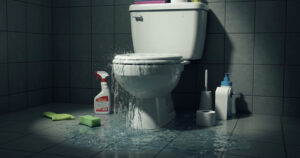
A small drip from a faucet might not seem like a big deal, but it can waste hundreds of gallons of water a week and lead to bigger plumbing problems. Make it a habit to regularly inspect your plumbing fixtures for any signs of leakage. Check under your sinks for water stains or puddles and look around the base of your toilet for any pooling water. These are clear signs that your plumbing fixtures need attention.
Other indicators include dripping faucets or showerheads even when turned off, or strange gurgling sounds from your drains. Catching these issues early is key to preventing water damage and avoiding expensive repairs. A quick visual check every few weeks can help you spot potential plumbing issues before they escalate. Addressing a small leak today is much easier and cheaper than dealing with a major failure in your plumbing system tomorrow.
3. Protect Against Hard Water Damage
Yes, water quality has a significant impact on your plumbing fixtures. If you live in an area with hard water, your water contains high levels of minerals like calcium and magnesium. Over time, these minerals build up inside your pipes, faucets, and appliances, creating a chalky residue known as scale. This scale can clog your plumbing fixtures, reduce water pressure, and decrease the efficiency of your entire plumbing system.
To manage this, the most effective solution is to install a water softener. This system removes the excess minerals from your water before they can cause damage. A water softener helps your plumbing fixtures last longer, prevents ugly stains on your sinks and shower doors, and can even help your water-using appliances run more efficiently. Protecting your home from hard water is a smart investment to prevent long-term plumbing problems and plumbing issues.
4. Avoid Over-Tightening
When you notice a drip from a faucet handle or a loose connection, your first instinct might be to tighten it as much as possible. However, over-tightening is a common mistake that can cause more harm than good. Applying too much force can strip the threads on screws and fittings or crack the fixture itself, turning a minor issue into a more serious one. It can also damage the small rubber washers and seals inside, leading to new leaks.
Instead of using excessive force, tighten handles and connections until they are snug, then give them a slight additional turn. If a leak persists, the problem is likely a worn-out part, not a loose connection. Forcing it will only create new plumbing problems. Being gentle with your plumbing fixtures is a simple way to avoid unnecessary damage and prevent future plumbing issues that require a professional repair.
5. Replace Washers, O-Rings, and Seals When Needed
Absolutely. Many common plumbing issues, like a dripping faucet or a running toilet, are caused by small, inexpensive parts that have worn out. Washers, O-rings, and seals are designed to create a watertight barrier, but over time, they can corrode, crack, or become brittle. When this happens, they can no longer do their job effectively, resulting in annoying and wasteful leaks.
Replacing these components is a simple and necessary step for extending the life of your plumbing fixtures. Ignoring a worn-out washer can put extra stress on the rest of the fixture and lead to more complex plumbing issues. Keeping a few common sizes on hand for your home’s plumbing allows you to make quick repairs. This proactive maintenance prevents water waste, saves you money on your water bill, and keeps your fixtures in great working order.
6. Prevent Clogs in Sinks and Drains
One of the biggest mistakes that homeowners make is treating their drains like a trash can. Your home’s plumbing is not designed to handle everything. You should never pour grease, coffee grounds, or food scraps down the kitchen sink, as these can solidify and create stubborn clogs. In the bathroom, avoid flushing anything other than toilet paper and human waste. Items like “flushable” wipes, cotton balls, and hair can easily block your pipes and cause serious plumbing problems.
If you have a garbage disposal, be mindful of what you put in it. Avoid hard items like bones or fruit pits, and fibrous foods like celery or potato peels, which can damage the blades or wrap around them. Always run cold water while using the disposal to help flush particles through the pipes. Preventing clogs in the first place is the best way to avoid damaging your plumbing fixtures and facing costly plumbing issues.
7. Lubricate Moving Parts
Maintaining your plumbing fixtures includes more than just cleaning and leak checks; it also involves caring for their moving parts. Faucet handles and other components can become stiff or difficult to turn over time due to mineral buildup or simple wear and tear. This can put unnecessary stress on the internal mechanisms of the fixture, leading to premature failure and other plumbing issues.
As part of your regular maintenance routine, which should be performed at least once or twice a year, consider lubricating the moving parts of your home’s plumbing. Applying a small amount of plumber’s grease to the stems of faucet handles can keep them operating smoothly and prevent them from getting stuck. This simple step helps reduce wear on your plumbing system, extends the life of your plumbing fixtures, and ensures they continue to function as intended.
8. Perform Regular Visual Inspections
You don’t have to be a plumber to spot the early warning signs of trouble. Performing regular visual inspections of your plumbing fixtures is a proactive way to catch problems before they become emergencies. At least once a month, take a quick walk through your home and look closely at your faucets, toilets, and showerheads. Signs that your fixtures need attention include visible rust, cracks, or discoloration.
Additionally, listen for unusual noises like banging or gurgling when you use your plumbing system, as this could indicate trapped air or a blockage. Check for low water pressure, which might point to mineral buildup or a hidden leak. By making these quick checks a regular habit, you can identify potential plumbing issues and address them promptly, preventing more severe plumbing problems and costly repairs in the future.
9. Schedule Professional Maintenance
While DIY maintenance can go a long way, nothing replaces the expertise of a professional. Scheduling regular maintenance with a licensed plumber at least once a year is one of the best ways to ensure a healthy plumbing system. A professional can spot hidden plumbing problems that you might miss, such as small leaks within walls or inefficiencies in your water heater. They have the tools and experience to diagnose issues accurately and fix them correctly.
Preventative care is always more affordable than emergency repairs. A professional can clean drains, inspect pipes, and ensure your plumbing fixtures are all in top working order. This not only extends the life of your fixtures but also helps your entire plumbing system run more efficiently, saving you money on water and energy bills. Investing in annual maintenance provides peace of mind and is a key step in preventing major disruptions.
10. Educate Your Household
Maintaining your plumbing fixtures is a team effort, so it’s important that everyone in your household is on the same page. A common mistake that shortens the life of your home’s plumbing is misuse by family members who may not know any better. Take the time to educate everyone on what can and cannot go down the drains. Make sure they understand that things like grease, food waste, and so-called “flushable” wipes can cause serious clogs and plumbing issues.
You can even post friendly reminders in the kitchen and bathrooms. Explain that being gentle with handles and avoiding standing on the toilet lid can prevent accidental damage. When everyone in the house understands how to properly use and care for the plumbing, you reduce the risk of clogs, leaks, and other preventable problems. This shared responsibility helps protect your investment and keeps your plumbing fixtures working well for many years.
Conclusion
By implementing these simple yet effective tips on how to extend the life of plumbing fixtures, you can significantly prolong the life of your plumbing. Regular cleaning, timely inspections, and proactive maintenance not only enhance performance but also save you money in the long run. Remember, a little care goes a long way in preventing costly repairs and replacements. Whether it’s protecting against hard water damage or scheduling professional maintenance, your efforts will ensure that your plumbing fixtures remain in top shape for years to come.
For a deeper dive into keeping your home’s plumbing in top shape, check out our main guide, Emergency Plumbing Tips Every Homeowner Should Know, which covers essential strategies to handle urgent plumbing situations. You might also find our article How Smart Leak Detectors Can Save Your Home helpful for learning how modern technology can prevent costly water damage before it starts.
Extend the Life of Your Plumbing Fixtures Today!
Taking care of your plumbing fixtures is smart for any homeowner. These simple tips can help you avoid problems and keep everything running smoothly. For persistent leaks, stubborn clogs, or issues beyond a quick fix, call the experts at Oasis Plumbers. Our team has the experience and tools to handle any problem, from routine maintenance to emergency repairs. Protect your home and enjoy peace of mind—contact Oasis Plumbers today to schedule service and keep your plumbing in top shape.
Frequently Asked Questions
How often should I maintain my plumbing fixtures to keep them working longer?
You should perform visual checks on your plumbing fixtures monthly to spot leaks or other plumbing issues early. For a truly healthy plumbing system and to prevent major plumbing problems, it’s best to schedule a professional maintenance check for your entire plumbing system at least once a year.
Does water quality affect the longevity of plumbing fixtures, and how can I manage it?
Yes, hard water can cause mineral buildup that clogs and damages plumbing fixtures, leading to plumbing problems. The best way to manage this is by installing a water softener in your home’s plumbing. This will protect your plumbing system from scale buildup and prevent many common plumbing issues.
Is replacing worn washers and seals necessary for a longer life?
Definitely. Replacing worn washers and seals is a crucial and inexpensive step to prevent leaks and other plumbing issues. This simple maintenance task stops small drips from turning into major plumbing problems, protecting your plumbing fixtures and contributing to a healthy plumbing system for your home’s plumbing.