The kitchen sink is more than just a place to wash dishes; it’s a central hub of activity in your home. Choosing the perfect kitchen sink can enhance your daily workflow and define your kitchen’s overall aesthetic. With so many options available, navigating the different types of kitchen sinks and sink styles can feel overwhelming. This guide will walk you through everything you need to know on how to pick the perfect kitchen sink that perfectly balances function and style for your home.
1. Start with Function: How Do You Use Your Kitchen?
Before diving into materials or finishes, think about your daily kitchen routine. Your sink should support your cooking habits, cleaning style, and household size.
Ask yourself:
- Do you cook daily or only occasionally?
- Do you hand-wash dishes or rely on a dishwasher?
- Do you need space for washing large pots and pans?
- Is your kitchen compact or spacious?
These answers will help narrow down the right size, depth, and bowl configuration for your needs.
2. Choose the Right Sink Size and Depth
After determining your functional needs, consider sink size. It should fit both your countertop and base cabinet for easy installation and usability. Oversized sinks can cause installation issues; undersized ones may be inconvenient. Measure your space and explore different sink types to find the best fit.
Standard Sink Size
For most kitchens, standard sinks—typically 25 to 36 inches wide—fit well in standard base cabinets. To replace a sink, measure its width, length, and depth for a proper match with your existing cutout and plumbing. Also measure your countertop’s depth to ensure room for the sink, faucet, and backsplash clearance. Installation styles like drop-in sinks require extra space for the lip. Choosing the right size ensures a secure fit and leaves enough counter space for food prep and organization.
Compact Kitchens
In a small kitchen, counter space is valuable. Choose a compact sink—often under 25 inches wide—that maximizes utility without sacrificing function. Deep, single-bowl sinks provide ample room for washing large items while saving space. Consider undermount or flush-mount sinks for a seamless look and easy cleanup. A prep sink on an island adds flexibility. With thoughtful planning, you can find a stylish, functional sink that fits your compact kitchen perfectly.
Large Kitchens / Home Cooks
If you have a large kitchen or love to cook, opt for a spacious sink with a deep basin to easily wash large pots and pans. Consider a workstation sink with integrated accessories like cutting boards and colanders for efficient prep. Popular choices include wide single-basin sinks, 60/40 double-basins, or triple-basins for multitasking. In bigger kitchens, the sink can be a focal point—choose one that combines size and function for your cooking needs.
3. Pick a Bowl Configuration: Single, Double, or Low Divide?
Next, decide on your bowl configuration: one large basin or two separate ones. Your choice affects daily kitchen tasks. Options include single bowls, double bowls, and low-divide models—each with unique benefits. Single bowls provide uninterrupted space; double bowls support multitasking. Consider your workflow to choose the best sink style for you.
Single Bowl Sinks
A single bowl sink offers one large basin, ideal for washing oversized cookware. With no divider, it provides ample space for soaking and scrubbing bulky items, making post-meal cleanup easier. Its modern design suits contemporary kitchens. Key benefits include more room for large pots, deeper options than double bowl sinks, and easier cleaning with fewer corners. If you want maximum space instead of separate compartments, a single bowl sink is an excellent choice.
Double Bowl Sinks
Double bowl sinks are popular for their multitasking ability. They let you use one basin for washing and the other for rinsing or food prep, keeping your workspace organized and hygienic. Available in configurations like 50/50 or 60/40 splits, these sinks offer versatility—use the larger bowl for pots and pans and the smaller for veggies or a garbage disposal. Main benefits include multitasking, better organization, and flexible basin sizes. A double bowl sink is ideal if you want an organized kitchen and efficient workflow.
Low Divide or 60/40 Sinks
If you can’t choose between a single or double bowl, a low divide sink offers both: a lowered divider separates the basins for multitasking, while still allowing space to wash large pans across the top. Another option is the 60/40 sink, with one larger basin for soaking and a smaller one for rinsing—ideal for separating tasks. These hybrid sinks provide flexibility, efficient multitasking, and an improved workspace. For versatility without compromise, consider a low divide or 60/40 kitchen sink.
4. Select the Installation Style: Undermount vs. Drop-In vs. Apron Front
How your sink is installed affects your kitchen’s look and cleanliness. The main installation styles—undermount, drop-in, and apron front—each offer unique aesthetics and practical benefits. Knowing the differences will help you choose the best option for your countertop and design.
Undermount Sinks
Undermount sinks are installed beneath the countertop, creating a seamless transition into the sink basin for a clean, modern look. They’re popular in contemporary kitchens and make cleaning easy—crumbs and spills can be wiped directly into the sink without obstruction. Best suited for solid surfaces like granite, marble, or quartz, undermount sinks require professional installation but result in a sleek, functional workspace.
Quick Comparison:
- Aesthetics: Seamless, rimless appearance
- Cleaning: Easy—debris wipes directly into the sink
- Compatibility: Ideal for solid countertops (granite, quartz, marble)
- Installation: More complex; usually needs a professional
Drop-In (Top Mount) Sinks
Drop-in sinks, also called top-mount or self-rimming sinks, are the most common and easiest to install. They sit in a pre-cut countertop hole, supported by a visible rim that contains water and debris. Compatible with nearly any countertop, including laminate, drop-in sinks are DIY-friendly and available in many styles and materials. While the rim can collect dirt, newer designs have low-profile edges to reduce buildup. Practical, affordable, and easy to install, drop-in sinks are a versatile choice for kitchen renovations.
Farmhouse / Apron Front Sinks
Farmhouse sinks, or apron-front sinks, feature deep, wide basins and an exposed front panel that replaces part of your cabinetry. They add country charm and make a bold style statement in any kitchen. Originally designed for heavy-duty use, their large size easily accommodates big pots, pans, and even small pets. Installation requires a custom base cabinet for the apron front. While traditionally made from fireclay or cast iron, modern options also come in stainless steel and copper. Though they require more planning to install, their ergonomic design and visual appeal make them a popular choice for homeowners.
5. Choose the Right Material for Style and Durability
The material of your kitchen sink is as important as its size and style. It affects durability, maintenance, and appearance. Choose a finish that withstands daily use and matches your kitchen’s design. From classic stainless steel to rustic copper, each material has unique pros and cons. Here are some popular sink materials and styles.
Stainless Steel
- Timeless, versatile, and budget-friendly
- Easy to clean but prone to water spots and scratches
- Best gauge: 16 or 18 (lower gauge = thicker steel)
Fireclay
- Durable ceramic, resistant to chips and stains
- Smooth, glossy look perfect for farmhouse and traditional kitchens
- Heavier and requires reinforced cabinet support
Granite Composite
- Blend of stone and resin
- Super durable, heat-resistant, and scratch-proof
- Matte finish available in stylish colors (black, gray, white)
Cast Iron (Enamel-Coated)
- Hefty and highly durable
- Glossy finish with a traditional feel
- Can chip if heavy items are dropped
Copper
- Unique, high-end look that patinas over time
- Naturally antimicrobial
- Requires special care and frequent maintenance
Pro Tip: Think about how much wear and tear your sink will see — and how much maintenance you’re willing to do.
6. Don’t Forget the Faucet and Accessories
Your sink choice should also complement your faucet and any accessories. Consider:
- Mounting Style: Does the sink have holes for a deck-mount faucet, or will you use a wall or countertop-mounted one?
- Sprayer Functionality: Will your sink accommodate a pull-down or side sprayer?
- Add-ons: Integrated cutting boards, drying racks, colanders, and garbage disposal compatibility.
Smart accessories can take a basic sink and make it an efficient, multifunctional workstation.
7. Match Your Kitchen’s Style
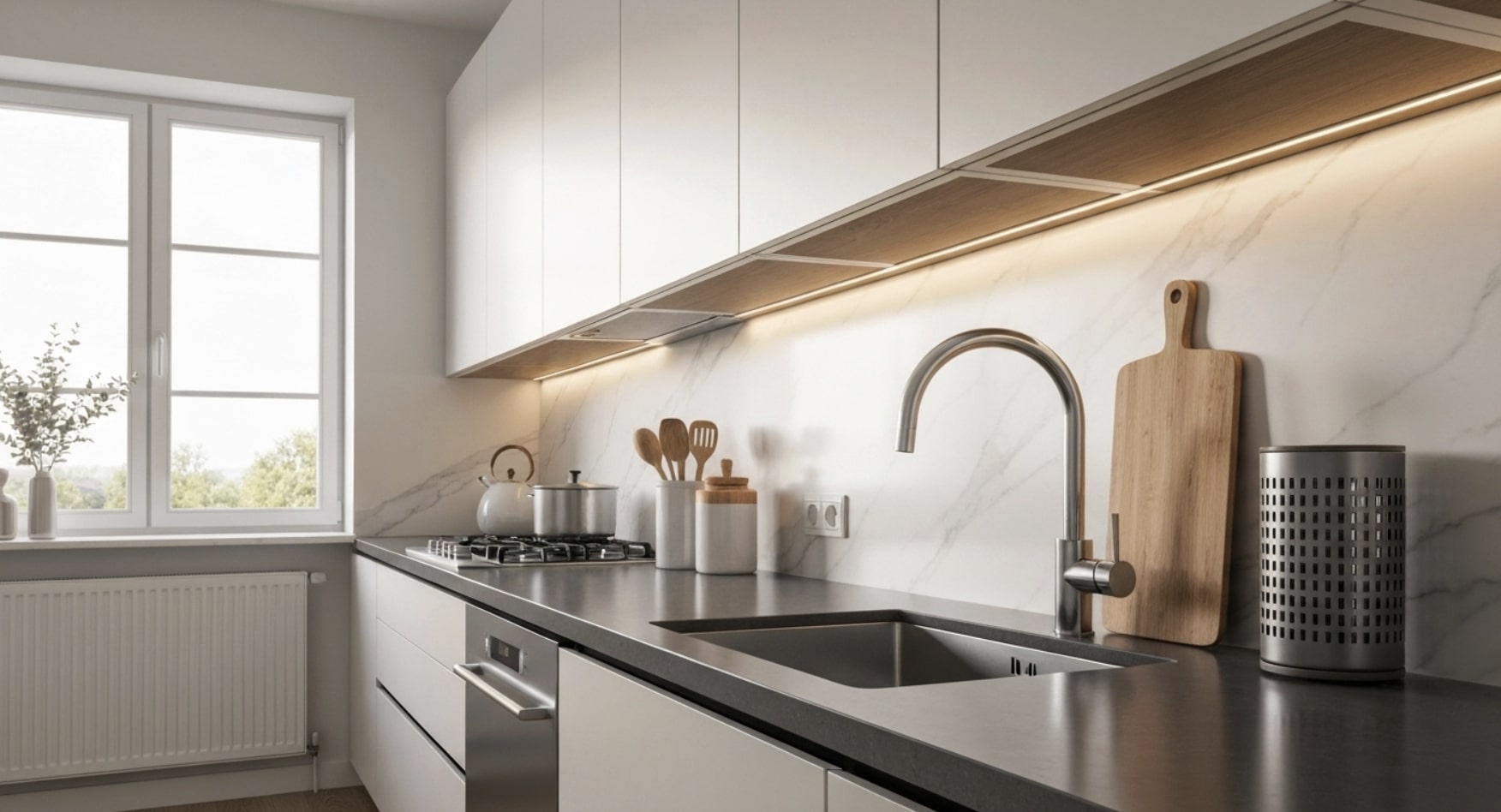
Your kitchen sink should be a seamless extension of your kitchen’s overall design. To find the right sink, consider the existing elements in your space—your countertops, cabinetry, and appliances. For a modern or industrial kitchen, a sleek, stainless steel undermount sink with clean lines is a natural fit. If you have a traditional or farmhouse-style kitchen, a fireclay or cast iron apron-front sink will enhance its charming, rustic character.
Don’t be afraid to let your sink be a statement piece. A hand-hammered copper sink can become the stunning focal point in a bohemian or Tuscan-style kitchen, while a colorful granite composite sink can add a bold, contemporary touch. By carefully considering the different sink styles and how they align with your decor, you can choose a kitchen sink that not only functions perfectly but also elevates the entire look of your room.
Because Every Home Deserves Perfect Plumbing—Trust Target Plumbers
Choosing the perfect kitchen sink is an exciting step in creating your dream kitchen, but a flawless kitchen sink installation is what brings it all to life. Proper installation ensures your sink functions correctly, prevents leaks, and protects your cabinetry and countertops for years to come. Whether you’ve chosen a simple drop-in model or a heavy apron-front sink that requires custom cabinet work, getting the installation right is crucial.
That’s where we come in. Here at Target Plumbers, our team of experts has the experience to handle all types of kitchen sinks and installation complexities. We ensure your new kitchen sink is perfectly aligned, securely mounted, and connected to your plumbing without a hitch. Trust us to provide the professional, reliable service you need to complete your kitchen project with confidence.
Conclusion
Knowing how to pick the perfect kitchen sink is essential for both functionality and style in your culinary space. By considering factors like size, depth, bowl configuration, and installation style, you can find a sink that not only meets your daily needs but also complements your kitchen’s aesthetic. Remember, the right material plays a crucial role in durability and maintenance, so choose wisely. With thoughtful planning, your kitchen sink can enhance the overall flow of your kitchen while making it a focal point of design. Don’t forget to explore the accessories and faucets that will tie everything together seamlessly.
For an overview of all fixture-related upgrades, including sinks, see our full blog on Upgrading Your Plumbing Fixtures.
Frequently Asked Questions
What size kitchen sink is best for my space?
The best kitchen sink size depends on your cabinet and counter space. A standard 33-inch base cabinet can typically accommodate a 30-inch sink. Measure your cabinet’s interior width and choose a sink that is about 2-3 inches smaller to ensure a proper fit for your kitchen sink installation.
What are the main advantages of stainless steel and granite sinks?
A stainless steel sink is durable, affordable, and offers a modern look. Granite sinks are exceptionally resistant to scratches, heat, and stains, and they come in various colors. Both are excellent sink material choices, with the best type of sink depending on your style preference and budget.
Are single or double bowl sinks better for busy kitchens?
It depends on your workflow. A single bowl sink is great for washing large pots. A double bowl sink is better for multitasking, like separating washing and rinsing. Busy kitchens can benefit from either type of sink, so choose the sink style that best matches your daily tasks.
What should I look for when buying a new kitchen sink?
When buying a new kitchen sink, consider the sink material for durability, the type of sink and bowl configuration for functionality, and the installation style to match your countertop. Also, ensure the sink styles and dimensions fit your existing cabinetry and kitchen design for a seamless kitchen sink installation.