Your bathroom is a prime environment for mold growth. With its constant steam and moisture, it provides the perfect conditions for mold spores to land and thrive. This isn’t just a cosmetic issue; mold can gradually destroy the surfaces it grows on and has the potential to cause various health problems for you and your family. Learning how to prevent mold and moisture problems in your bathroom is the first and most crucial step toward keeping your home healthy and free from this pollutant.
Effective Ways to Prevent Mold and Moisture Problems in Bathrooms
Preventing mold starts with controlling moisture. Since you can’t eliminate all mold spores, the key is to keep your bathroom dry and deny them the dampness they need to grow. Simple habits and regular maintenance—like improving air circulation and checking plumbing—can help you stop mold before it starts. Use these tips to keep your bathroom dry, clean, and healthy.
1. Use Proper Ventilation and Exhaust Fans
Moisture thrives in stale air. Without proper ventilation, steam lingers long after a bath or shower, settling into grout lines, ceilings, and walls.
How to fix it:
- Run your exhaust fan during showers and keep it on for at least 15–20 minutes afterward.
- If your bathroom doesn’t have a fan, crack open a window or door to boost airflow.
- Clean your fan regularly—dust buildup reduces its efficiency.
Good airflow is one of the strongest defenses against mold.
2. Regularly Inspect for Leaks and Water Damage
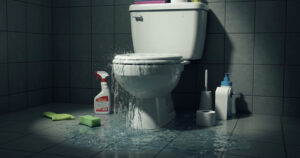
Even a tiny drip under the sink or a slow leak around the toilet base can create hidden moisture pockets. These areas often become mold hotspots because they remain damp for long periods.
Inspect:
- Caulking around tubs and showers
- Pipes under sinks
- Toilet seals
- Grout condition
If you spot soft walls, discoloration, or musty odors, there may already be moisture trapped behind surfaces.
3. Control Indoor Humidity Levels
Bathrooms naturally experience humidity spikes, but that humidity shouldn’t remain high throughout the day.
Ways to manage humidity:
- Use a dehumidifier in bathrooms with poor airflow
- Keep the shower door open after use to allow circulation
- Avoid leaving wet clothing or towels in the room
- Install humidity-sensing fans if possible
Maintaining a balanced environment helps prevent moisture-related issues.
4. Don’t Overlook the Shower Curtain or Liner
Fabric curtains and plastic liners often grow mold quickly, especially at the bottom where water collects.
To prevent this:
- Clean or replace your liner regularly
- Spread the curtain fully open after showers so it dries
- Choose mildew-resistant curtain materials
This simple step eliminates one of the most common mold sources.
5. Choose Mold-Resistant Paints and Materials
If you’re updating or repairing your bathroom, choose materials that naturally resist moisture.
Good options include:
- Mold-resistant paint
- Moisture-resistant drywall
- Grout sealants
- Solid-surface shower walls
Upgrading materials can significantly reduce long-term mold risk.
6. Wipe Down Wet Surfaces After Use
Mold needs moisture. Remove the moisture, and mold simply can’t grow.
Make drying part of your routine:
- Wipe down shower walls with a squeegee.
- Dry countertops and sinks after heavy use.
- Hang towels and bathmats where they can dry quickly, not crumpled or bunched up.
Small daily habits make a big long-term difference.
7. Clean Regularly to Prevent Mold Growth
Mold spores are always present in the air—it’s the moisture and grime that help them thrive.
Focus on cleaning:
- Grout lines
- Corners of the shower
- Under shampoo bottles
- Behind the toilet
- Around faucets and drains
Regular bathroom cleaning removes the buildup mold feeds on and keeps surfaces fresh.
Key Signs of Mold and Moisture Problems to Watch For
Sometimes, despite your best efforts, a moisture problem can develop. Knowing the early warning signs is critical for stopping mold growth before it gets out of control and causes potential health problems. Your senses are your best tools here—what you see and smell can tell you a lot about the health of your bathroom.
The following are the indications that you have excess moisture that needs to be addressed:
- Visible Dark Spots or Discoloration on Walls and Ceilings
- Persistent Musty Odors in the Bathroom
- Peeling Paint, Warped Wood, or Bubbling Wallpaper
Conclusion
In summary, learning how to prevent mold and moisture problems in your bathroom is essential for maintaining a healthy living environment. By implementing proper ventilation, regularly inspecting for leaks, and controlling humidity levels, you can significantly reduce the risk of mold growth. Additionally, maintaining grout, using mold-resistant materials, and keeping surfaces dry will further fortify your bathroom against moisture-related issues. Remember to watch for key signs of trouble, such as musty odors or discoloration, to address any problems before they escalate.
For a deeper understanding of how proper plumbing contributes to a moisture-free bathroom, be sure to explore our main pillar guide, “Essential Bathroom Plumbing Solutions for Every Homeowner.” And if you’re dealing with drainage issues that may be causing excess moisture, don’t miss our helpful article, “How to Fix Your Sink Not Draining: Step-by-Step Solutions,” for practical fixes you can try right away.
Take Control of Bathroom Moisture Before It Becomes a Problem
Noticing moisture but can’t find the source? Hidden plumbing leaks—often behind walls or under floors—are a common cause of persistent bathroom mold. If you’ve tried everything and still have dampness, it’s time to call the experts.
At Target Plumbers, we specialize in finding and fixing the leaks that cause moisture problems. Our team will locate hidden issues and stop mold at its source. Don’t let a small leak become a big problem—contact us today for an inspection and protect your bathroom’s health.
Frequently Asked Questions
How can I reduce indoor humidity in my bathroom?
To reduce indoor humidity, always use your exhaust fan during and after a shower. If you don’t have one, open a window. For persistent dampness, a dehumidifier can help maintain a dry environment. Keeping your bathroom ventilated is the best way to prevent the moisture problem that leads to mold growth.
Are there building materials that help prevent moisture problems?
Yes, certain building materials are better for preventing a moisture problem. Choose non-porous materials like hard plastics, solid wood, metal, and glass. When painting, use mold-resistant paints designed for high-moisture areas. These materials make it harder for mold growth to start, keeping your bathroom cleaner for longer.
How often should I check for mold and moisture issues in my bathroom?
You should perform a quick visual check of your plumbing system for leaks or musty smells weekly. A more thorough inspection of your plumbing system, grout, and caulking is a good idea every few months. Staying alert helps you catch a mold problem or the growth of mold early, preventing a small moisture problem from escalating.