A hidden leak in your bathroom can be a silent destroyer, causing serious damage long before you notice any obvious signs. These sneaky water issues often start small, lurking behind walls or under floors, but can quickly lead to expensive repairs and health hazards. Understanding the early warning signs is your best defense. This guide will walk you through simple and effective ways on how to spot hidden leaks in the bathroom before they get worse.
Why Finding Hidden Bathroom Leaks Early Matters
Ignoring a potential hidden leak can have severe consequences for your home and your health. When water seeps into your bathroom’s structure, it can rot wood, weaken your home’s framework, and lead to thousands of dollars in structural repairs. Early leak detection is crucial to preserving your property’s value and avoiding a major financial headache. By finding the source of the leak quickly, you can stop the damage in its tracks and protect your investment.
Beyond the structural risks, hidden water leaks create the perfect breeding ground for mold and mildew. Yes, mold or mildew growth in your bathroom can absolutely point to a hidden leak. These fungi release spores into the air that can trigger allergies and respiratory problems, creating an unhealthy living environment for your family. Catching leaks early prevents mold from taking hold, ensuring your bathroom remains a safe and healthy space.
1. Check for Unexplained Moisture or Damp Spots
One of the most direct signs of a leak is unexplained moisture. Keep an eye out for damp spots on your bathroom walls, ceiling, or floor. You might also notice peeling paint, bubbling wallpaper, or discolored stains that appear yellowish or brown. These are classic signs that water is present where it shouldn’t be.
So, how do you know if this dampness is from a hidden leak? Unlike condensation from a hot shower, moisture from a leak will often persist or reappear without a clear cause. If you find a damp spot that feels cool to the touch and doesn’t dry out, it’s a strong indicator of a hidden water leak that needs your attention.
✅ Pro Tip:
When checking for leaks, be thorough—water can travel away from the source. Inspect corners, areas around windows, and ceilings below upstairs bathrooms. Look for subtle signs like warped drywall, sagging ceilings, or soft spots in flooring—not just obvious wet spots. Professionals use moisture meters and infrared cameras to detect hidden leaks without damaging surfaces.
2. Listen for Dripping or Running Water
Your senses can be powerful tools for leak detection. If you hear the sound of dripping, hissing, or running water when all your bathroom fixtures are turned off, you might have a hidden leak. These sounds are often subtle, so the best time to listen is late at night or when your home is completely quiet. Stand inside your bathroom and listen closely for any unusual noises coming from behind walls or under the floor.
Are there any odors or sounds that might indicate a concealed bathroom leak? Absolutely. Besides dripping, a persistent hissing sound can indicate water escaping from a pressurized pipe within your plumbing system. Pair this with a musty or earthy odor, and you have a strong case for a hidden leak. The smell is often the first sign of mold or mildew growth caused by the constant moisture, signaling a problem that needs immediate investigation.
✅ Try this:
Turn off all taps and make sure no one is using water in the house. If you still hear water movement, it could indicate a hidden leak behind the wall or floor.
3. Watch Your Water Meter
Your water meter is one of the most reliable tools for confirming a hidden leak somewhere in your home. This test is simple and can tell you if your plumbing system is losing water, even when you can’t see it. To perform the test, first make sure no water is being used inside or outside your house. This means turning off all faucets, showers, and water-using appliances like the dishwasher or washing machine. Then, follow these steps.
This method is a great first step in leak detection, as it confirms a problem exists. If the meter’s dial moves, you have a leak. While the meter itself is a great tool, professionals might use more advanced tools like acoustic leak detectors to pinpoint the exact location of hidden water leaks.
✅ Try this:
| Step | Action |
|---|---|
| 1. Locate Your Water Meter | Find your water meter, which is typically located near the curb in a covered box. |
| 2. Record the Reading | Write down the numbers on the meter or take a picture of the dial. |
| 3. Wait | Do not use any water for at least 30-60 minutes. |
| 4. Check the Meter Again | If the reading has changed, you likely have a leak somewhere in your system. |
4. Inspect Grout, Caulk, and Seals
The seals around your bathroom fixtures are your first line of defense against water damage. Over time, the grout between tiles and the caulk around your bathtub, shower, and sink can crack, crumble, or pull away. When these seals fail, they create a pathway for water to seep behind walls and under floors, leading to a hidden leak. Regularly inspecting these areas is a simple yet effective leak detection habit.
Run your finger along the caulk lines. Do you feel any gaps or soft spots? Look closely at the grout. Are there dark, stained areas or missing pieces? These are clear signs of a leak that could be causing damage. Resealing these areas promptly can stop water leaks before they become a major issue. Fixtures like showers and tubs are among the most likely to develop hidden leaks due to failing seals, making this inspection critical for finding the source of the leak.
✅ Fix it early:
Re-caulk or re-grout affected areas before water causes damage to subflooring or drywall. If you notice spongy flooring or loose tiles, moisture has probably been seeping through for a while.
5. Test for Toilet Leaks
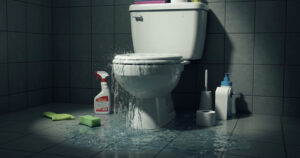
Toilets are one of the most common sources of hidden water leaks in the bathroom. A faulty flapper or a silent leak from the tank into the bowl can waste hundreds of gallons of water without you even knowing it. These types of leaks often don’t make any noise, but they will drive up your water bill.
Luckily, there is a very simple way to test your toilet’s plumbing system. This quick bit of leak detection can save you a significant amount of money and prevent water waste. The following DIY test is a great way to check this common culprit.
✅ DIY test:
To check for a hidden toilet leak, add a few drops of dark food coloring to the tank water. Wait 15–20 minutes without flushing. If colored water appears in the bowl, you have a leak—the flapper isn’t sealing properly. Replacing the flapper is an easy, inexpensive fix.
6. Look Under Cabinets and Around Fixtures
Don’t forget to check the areas that are usually out of sight. The cabinet under your bathroom sink is a hotspot for a hidden leak. Slow drips from water supply lines, shut-off valves, or the P-trap can go unnoticed for a long time, causing wood to warp and mold to grow.
Make it a habit to periodically clear out the cabinet and inspect the area with a flashlight. Look for any signs of moisture, water stains, or small puddles. This simple act of leak detection can help you catch a small issue with your plumbing system before it turns into a major repair.
✅ Try this:
To detect bathroom leaks, thoroughly inspect under your sink. Remove all items from the cabinet for clear access. Use a flashlight to check the water supply lines, shut-off valves, P-trap, and drain connections. Run a dry paper towel along pipes—if it gets damp, you’ve found a leak. Look for corrosion as a sign of slow leaks. Early detection can prevent major cabinet and floor damage.
Conclusion
In summary, learning how to spot hidden leaks in the bathroom is crucial for preventing costly damage and maintaining a healthy living environment. By checking for unexplained moisture, listening for subtle sounds of dripping, and monitoring your water meter, you can catch issues early. Regular inspection of grout, caulk, and seals, along with thorough checks around fixtures, will ensure that your bathroom remains leak-free. Remember, being proactive can save you time, money, and stress in the long run.
For more in-depth guidance on keeping your bathroom plumbing in top shape, check out our main blog: Essential Bathroom Plumbing Solutions for Every Homeowner. And if you’re looking to take your home’s water management to the next level, don’t miss our article on Upgrading Your Home with a Rainwater Harvesting System for sustainable, long-term solutions.
Frequently Asked Questions
How do I tell if bathroom moisture is from a hidden leak?
Moisture from a hidden leak is different from shower condensation because it persists. Look for damp spots that don’t dry, peeling paint, or musty smells. These signs of a leak indicate a constant water source from your plumbing system, which requires immediate leak detection and repair.
What sounds and smells should I watch out for in my bathroom?
Listen for dripping, hissing, or running water sounds when all fixtures are off. These are clear signs of a leak in your plumbing system. Also, pay attention to persistent musty or earthy odors, which often indicate mold or mildew growth caused by a hidden water leak.
Which bathroom fixtures commonly cause hidden leaks?
Toilets are a primary source, often due to a faulty flapper. Showers and tubs can cause water leaks from failing grout or caulk seals. The plumbing system under your sink, including supply lines and drain pipes, is another common area for a hidden leak to develop.
Need Help Finding a Hidden Leak?
While DIY leak detection methods are great for catching common issues, some water leaks are harder to find. If you’ve noticed signs of a hidden leak but can’t locate the source, it’s time to call in the professionals. A persistent problem requires an expert eye and specialized tools to ensure the issue is resolved completely. Don’t let a small leak turn into a catastrophe.
Here at Target Plumbers, our team is equipped with advanced technology like acoustic detectors and video pipe inspection cameras to accurately pinpoint even the most elusive hidden leak. We can find the problem quickly and provide a lasting solution to protect your home from water damage. Contact us today to schedule a thorough inspection and get peace of mind.