A hidden pipe leak can be a homeowner’s worst nightmare. What starts as a small drip in your plumbing system can quickly lead to significant water damage, costly repairs, and a lot of stress. The problem is that these common leaks often happen out of sight, silently damaging your home’s structure and foundation. Understanding the early warning signs is your best defense. This guide will walk you through how to spot and prevent these sneaky pipe leaks, protecting your home and your wallet from unexpected trouble.
Why Hidden Pipe Leaks Are So Dangerous
A slow leak might seem harmless — just a drip here or a tiny damp spot there. But over time, hidden leaks can lead to:
- Mold and mildew growth (which can cause health issues)
- Structural damage to drywall, framing, and subfloors
- Rotting cabinetry and baseboards
- Skyrocketing water bills
- Insurance claims that get denied due to “gradual damage”
And unfortunately, by the time you see signs of damage, water has already been leaking for weeks — sometimes months.
How to Spot Hidden Pipe Leaks Early
Here are signs that often get overlooked — but could be pointing to a slow leak:
1. Unusual Water Bill Spike
Have you noticed your water bill creeping up without a clear reason? An unexpectedly high water bill is one of the most reliable indicators of a hidden water leak. A single dripping faucet is annoying, but a leak hidden within your walls or under your foundation can waste thousands of gallons of water, causing your bill to skyrocket due to various types of leaks.
If your monthly payment suddenly jumps over $100 without a change in your household’s water usage, it’s time to investigate. This spike reflects the continuous flow of water from a leak in your water supply. To confirm, you can:
- Check your water meter.
- Turn off all water-using appliances.
- See if the meter is still running.
This simple test is a powerful leak detection tool. If the meter’s dial is moving, you likely have a leak somewhere in your system. Addressing it promptly will not only save you money on your next water bill but also prevent potential damage to your home.
2. Mysterious Musty Odors
If you notice a persistent musty or earthy smell that you just can’t seem to get rid of, it might not be a cleaning issue. This kind of odor is a classic sign of mold and mildew, which thrive in damp, dark places created by a hidden leak. When water seeps from your plumbing system into drywall or under flooring, it creates the ideal breeding ground for these fungi.
This smell is often the first and only clue you’ll get about ongoing water damage behind your walls or under your floors. You might notice it most strongly in certain areas, like a bathroom or laundry room. For example, if your bathroom consistently smells musty even after a thorough cleaning, a hidden leak around the toilet or shower is a likely culprit.
Don’t just mask the odor with air fresheners. Treat it as a warning sign. By investigating the source of the smell, you can uncover a hidden leak before the mold spreads and the structural damage becomes more severe.
3. Peeling Paint or Bubbling Wallpaper
The appearance of your walls can tell you a lot about what’s happening behind them. If you see paint starting to peel, blister, or bubble, it’s a strong indication of moisture buildup. This is often caused by leaky pipes within the wall, where water is slowly saturating the drywall and ruining the paint from the inside out.
Similarly, wallpaper that begins to warp or peel away from the wall is another sign of a hidden leak. The moisture weakens the adhesive and causes the paper to bubble up. The extent of the damage can help you determine if it’s just a humidity issue or a more serious water damage problem.
When you spot these signs, pay close attention. The location of the peeling paint or bubbling wallpaper can help you pinpoint the general area of the leak. Finding the source of the leak is the first step to stopping the damage and restoring your walls to their original condition.
4. Warped Flooring or Cabinet Wood
Your floors and cabinets can also reveal evidence of a hidden water leak. If you notice warping, cracking, or soft spots in your flooring, especially in areas near appliances or fixtures, it’s a clear sign that water is present where it shouldn’t be. Wood and laminate floors are particularly susceptible to this type of water damage.
A small leak from a pipe under the sink or a dishwasher can go unnoticed for a long time, slowly damaging the wood of your cabinets. You might see the wood starting to warp, feel soft to the touch, or notice dark stains appearing. This indicates a slow, steady water leak that needs immediate attention.
Don’t dismiss these changes as normal wear and tear. If left unaddressed, the damage from leaky pipes will only get worse, potentially ruining your floors and cabinets entirely. Inspecting these areas regularly can help you catch a problem early and prevent costly replacements.
5. Wet Spots or Water Rings on Ceilings
Looking up can sometimes be the key to finding a hidden leak. Discolored stains on your ceiling, often appearing as brown or dark water rings, are a telltale sign of a water leak from the floor above. These stains form when water leaks from a pipe, soaks through the ceiling material, and then evaporates, leaving mineral deposits behind.
As more water accumulates, you might notice the ceiling starting to sag or droop. This is a very serious sign of significant water damage and indicates that the structural integrity of the ceiling is compromised. A sagging ceiling is at risk of collapsing, posing a major safety hazard.
If you see any stains or sagging, act immediately. Locating the source of the leak, which could be a bathroom fixture or pipe on the upper level, is critical. Taking quick action can prevent a ceiling collapse and minimize the overall water damage to your home.
6. Low Water Pressure
Do your showers feel weaker than they used to, or does your kitchen faucet produce more of a trickle than a steady stream? A sudden drop in water pressure throughout your home can be a symptom of a significant leak in your water supply. When a leaking pipe allows water to escape, there’s less of it available to travel to your faucets and showerheads.
This issue can be frustrating because the leak could be anywhere in your plumbing system. A break in a pipe behind a wall or under your foundation could be “stealing” the water flow before it ever reaches its destination. You might not see any other signs of a leak, but the reduced pressure is a clear warning that something is wrong.
If you’re experiencing low water pressure, it’s a good idea to call a professional plumber. They have specialized leak detection tools to find the exact location of the leaking pipe without having to tear up your walls or floors unnecessarily.
Common Places Hidden Leaks Happen
Hidden leaks aren’t just random — they tend to show up in specific spots. Here’s where we find them most often:
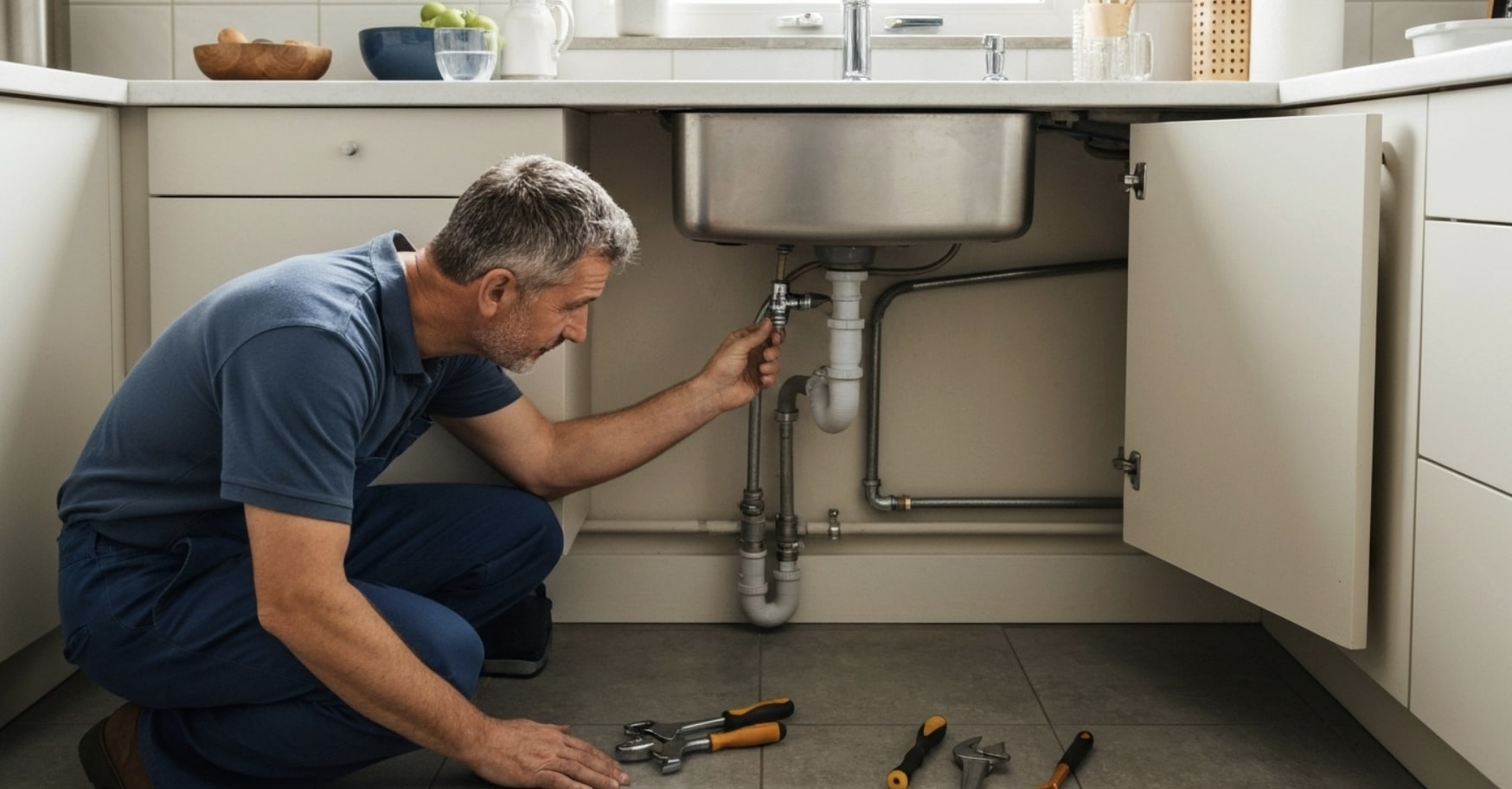
- Under kitchen or bathroom sinks
- Behind dishwashers or washing machines
- Inside walls near showers or tubs
- In crawl spaces or unfinished basements
- Slab leaks (in homes built on concrete foundations)
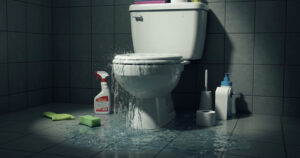
- Around toilets or under water heaters
If you suspect a leak in any of these areas, don’t ignore it — investigate it.
How to Prevent Pipe Leaks Before They Start
While some leaks are inevitable with age, many can be prevented with proper care. Here’s what we recommend:
✅ 1. Check Under Sinks Monthly
Open the cabinet, run the water, and feel around for moisture. A flashlight can help spot early drips.
✅ 2. Replace Old Washing Machine Hoses
Rubber hoses degrade over time. Switch to braided stainless steel and replace every 5 years.
✅ 3. Watch Water Pressure
High water pressure can damage pipes and fittings. A pressure regulator can help — ideal range is 40–60 psi.
✅ 4. Schedule Annual Plumbing Inspections
A licensed plumber can identify weak points, corrosion, and leaks in early stages — before the damage spreads.
✅ 5. Install Smart Leak Detectors
These small devices send alerts to your phone when moisture is detected. Some models even shut off water automatically to prevent flooding.
When to Call a Professional
If you notice any signs of a leak — or just want peace of mind — it’s smart to bring in an expert. A trained technician can:
- Use moisture meters and infrared cameras to find leaks behind walls
- Check water pressure and test pipe joints
- Fix small issues before they require mold remediation or reconstruction
A quick checkup today could save you tens of thousands tomorrow.
Conclusion
In summary, understanding and addressing pipe leaks is crucial for maintaining the integrity of your home. Hidden leaks can lead to significant damage and costly repairs if not detected early. By keeping an eye out for signs such as unusual water bills, musty odors, and warped flooring, you can spot potential issues before they escalate. Implementing preventive measures can also save you from future headaches. Your proactive approach today can lead to a safer, more secure home tomorrow!
For a deeper look at why choosing the right plumbing expert matters, check out our pillar article: Why Target Plumbers Are Your Best Plumbing Choice. And if you’re serious about preventing costly water damage, don’t miss our guide on Why You Should Flush Your Water Heater Once a Year — it’s one of the easiest ways to protect your home from hidden leaks and buildup.
Need Help Keeping Your Home Leak-Free?
Worried about a water leak in your home? Don’t wait for a small drip to become a major problem. Target Plumbers specializes in fast, accurate leak detection and repairs, saving you time, money, and stress. If you’ve noticed high water bills or musty smells, our experts can quickly find and fix the issue. Schedule a service today for peace of mind and a dry, safe home.
Frequently Asked Questions
Why do pinhole leaks develop in copper pipes?
Pinhole leaks often appear in copper pipes due to internal corrosion. Over time, factors within your water supply can cause the inside of the pipe to wear away, creating tiny holes. This gradual process results in a small but persistent leaking pipe that can lead to significant damage if not addressed.
What are the most common causes of pipe leaks in homes?
Common causes of pipe leaks in homes include corrosion from mineral buildup or chemical reactions, and temperature changes that cause pipes to expand, contract, and crack—especially in older pipes.
How can I quickly find a leak before it causes damage?
To quickly find a water leak, be vigilant for signs like sudden water bill increases, musty smells, or visible water stains, including potential water heater leaks. You can also check your water meter after turning off all faucets. If the meter is still running, you have a leak in your plumbing system and should contact a professional plumber.
What steps can I take to prevent future pipe leaks?
For effective prevention, conduct regular visual checks of exposed pipes and fixtures and know the location of your main water supply shut-off valve. Scheduling periodic inspections of your plumbing system with a professional plumber is also a great way to catch potential issues before they cause damage.