The tinsel’s been packed away, the last of the fruitcake has finally disappeared (thank goodness), and your house guests have headed home. You’re ready to settle back into normal life when suddenly—gurgle, gurgle, WHOOSH—your kitchen sink backs up with a vengeance, or worse, your toilet decides to stage a rebellion. Welcome to the unglamorous world of Post-Holiday Plumbing Emergencies. After weeks of cooking feasts, hosting relatives, and running your plumbing system like it’s training for the Olympics, your pipes are exhausted and ready to throw in the towel. These aren’t problems you can ignore with a shrug and a “I’ll deal with it later” attitude. Some plumbing disasters are waving red flags that demand immediate attention before they transform your home into an indoor water park—minus the fun slides.
The Stubborn Drain That Won’t Drain
You know that slow-moving drain in your kitchen sink? The one you’ve been watching swirl lazily for days, pretending it’s not getting worse? That’s not just annoying—it’s a ticking time bomb. After the holidays, drains take an absolute beating from potato peels, cooking grease, coffee grounds, and whatever mystery casserole Aunt Linda brought.
Why this is serious:
- Hidden blockages create pressure – That clog isn’t just sitting at the surface; it’s building up deep in your pipes, creating pressure and potentially causing corrosion
- Tree roots love the moisture – Older pipes with organic matter buildup become prime real estate for invasive tree roots
- Chemical cleaners make it worse – Those drain cleaners you’re pouring down? They’re often corroding your pipes while barely touching the clog
- Burst pipes are expensive – Ignoring the problem can lead to burst pipes, water damage to cabinets, and repair bills that’ll haunt your credit card statement
If plunging and basic fixes aren’t working, it’s time to call the professionals before your drainage system stages a full mutiny.
The Running Toilet That Never Stops
Ah yes, the phantom flusher. That toilet that sounds like it’s constantly running a marathon in the bathroom, keeping you awake at night with its endless trickling symphony. You might think it’s just a minor annoyance, but that running toilet is literally flushing money down the drain—up to 200 gallons of water per day.
What you’re dealing with:
- Water waste on steroids – That’s enough water to fill a small swimming pool every month
- Skyrocketing water bills – Your next bill is about to look like a phone number
- Common culprits – Usually a worn-out flapper valve, misaligned float, or faulty fill valve (all victims of increased holiday bathroom traffic)
- Hidden water damage – Constantly running water can damage your bathroom floor, encourage mold growth, and even compromise your subflooring
The flapper might only cost a few bucks to replace, but the water damage? That’s an entirely different tax bracket.
The Mysterious Gurgling Sounds From Your Drains
If your drains are making noises that sound like your house is digesting Thanksgiving dinner, pay attention. Those gurgles, bubbles, and odd sucking sounds aren’t your plumbing trying to communicate in Morse code—they’re warning signs of a venting problem or a partial blockage somewhere in your system.
Red flags to watch for:
- Air pocket formation – When water can’t flow freely, it creates air pockets that produce those unsettling sounds
- Compromised venting system – This means sewer gases could be building up in your pipes (hello, mystery bathroom smell)
- Toxic gas risks – Sewer gases contain methane and hydrogen sulfide, which are dangerous in high concentrations
- Dry trap problems – Poor venting can cause your traps to dry out, giving those gases direct access to your living space
If your drains are auditioning for a horror movie soundtrack, this is your plumbing crying out for help before a major backup ruins your fresh start to the new year.
The Low Water Pressure Letdown
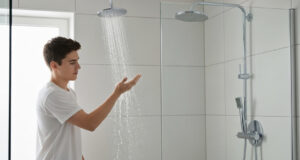
Remember when your shower used to feel like a refreshing waterfall? Now it’s more like a disappointing trickle that barely rinses the shampoo from your hair. Low water pressure after the holidays isn’t just frustrating—it’s a symptom of underlying problems that could be brewing throughout your plumbing system.
Possible causes:
- Mineral buildup – Holiday cooking marathons leave deposits in your pipes and water heater, restricting flow
- Hidden leaks – Sudden pressure drops affecting multiple fixtures often mean water is escaping somewhere in your walls
- Main line issues – Problems with your main water line can affect your entire home’s pressure
- Clogged aerators – Sometimes it’s an easy fix, but system-wide problems need professional diagnosis
Hidden leaks are serious business—they cause extensive water damage, encourage mold growth, and weaken your home’s structure while your water bill climbs to astronomical heights. Don’t just accept your wimpy shower; investigate before that hidden leak turns your drywall into soggy cardboard.
The Water Heater That’s Acting Up
Nothing says “Monday morning disaster” quite like discovering your water heater has decided to retire, leaving you with ice-cold showers and a mountain of holiday dishes that need hot water. After weeks of heavy use, your water heater is exhausted and ready to wave the white flag.
Warning signs you can’t ignore:
- Strange noises – Rumbling or popping sounds mean sediment buildup is acting like an insulating blanket
- Leaking around the base – This is never good and only gets worse with time
- Rusty or discolored water – Your tank is corroding from the inside out
- Poor heating efficiency – If your showers are lukewarm at best, something’s wrong
- Age matters – Units over 10 years old showing distress are living on borrowed time
A failing water heater doesn’t get better with time; it only gets more expensive to ignore. The last thing you want is for it to die completely during the coldest week of January when every plumber is booked solid.
The Sewer Line Backup Nightmare
Let’s talk about the nuclear option of post-holiday plumbing disasters: the sewer line backup. This is the big boss at the end of the video game, the worst-case scenario that makes all other plumbing problems look like cute little inconveniences.
Signs of impending doom:
- Multiple drains backing up simultaneously – When it’s not just one sink, you’ve got a main line problem
- Sewage smells wafting through your house – That’s not your imagination; it’s a legitimate emergency
- Basement floor drain backups – Water or waste coming up through floor drains is a major red flag
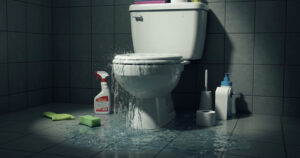
- The toilet overflow situation – When plunging does absolutely nothing, the problem is beyond your bathroom
Why this is an emergency: Sewer line backups mean raw sewage potentially coming back into your home, which is a serious health hazard and a cleaning nightmare that could cost thousands. The contamination risk alone should send you running for the phone. This isn’t a DIY situation—time is of the essence, and the longer you wait, the worse the damage and the higher the cleanup costs.
The Frozen Pipe Warning Signs
If you live anywhere that experiences winter weather, frozen pipes are a legitimate terror. During the holidays, when guests are coming and going (leaving doors open), using more water, and adjusting the thermostat, your pipes face increased risk.
What to watch for:
- Frost on exposed pipes – Visible ice crystals are an obvious red flag
- Strange smells from drains – Trapped water is stagnating behind the ice blockage
- Odd noises when turning on faucets – Clanking or banging indicates ice formation
- No water flow – The most obvious sign that something’s frozen solid
The real danger: Water expands when it freezes, creating immense pressure that can cause pipes to burst. You might not even realize it until the thaw happens, and suddenly hundreds of gallons of water are flooding your home. Burst pipes can cause catastrophic damage with repair costs easily reaching five figures. If you suspect frozen pipes, don’t try to thaw them with a blowtorch (yes, people have tried this). Call a plumber immediately.
The Garbage Disposal That Gave Up
Your garbage disposal had a rough holiday season. It ground through turkey bones (which you definitely shouldn’t have put down there), fibrous vegetable scraps, and probably a few things that accidentally fell in. Now it’s humming but not grinding, making horrifying noises, leaking, or refusing to turn on at all.
Common disposal problems:
- Humming but not grinding – Usually means something’s jammed in the flywheel
- Horrifying grinding noises – Metal-on-metal sounds mean internal damage
- Leaking from the bottom – Your unit’s seal is compromised
- Won’t turn on at all – Could be electrical or a completely burned-out motor
Why you shouldn’t ignore it: A dead disposal leads to food scraps going down the drain, creating blockages. A jammed disposal causes sink backups. A leaking disposal damages your cabinet and creates mold-friendly moisture. Garbage disposals typically last 8-15 years, and holiday abuse can push an aging unit over the edge.
Don’t Wait Until Disaster Strikes—Call Target Plumbers Today!
Your home has been through a lot this holiday season, and your plumbing system deserves some professional TLC before minor issues become major catastrophes. At Target Plumbers, we specialize in tackling post-holiday plumbing emergencies with speed, expertise, and the kind of service that’ll make you wonder why you didn’t call us sooner. Our experienced team has seen it all—from backed-up sewer lines to burst pipes to water heaters on their last legs—and we’re equipped to handle any plumbing challenge your home throws at us. Don’t let plumbing problems ruin your fresh start to the new year. Contact Target Plumbers now for fast, reliable, and professional plumbing services that’ll have your system running better than ever. Your pipes will thank you, your wallet will thank you, and you’ll finally get that peaceful night’s sleep without worrying about what might go wrong next.
The Bottom Line on Post-Holiday Plumbing
The holidays are magical, but they’re also brutal on your plumbing. Between the extra cooking, increased water usage, house guests who don’t know your plumbing’s quirks, and the general chaos of the season, your pipes take a beating that would make a prizefighter wince. The key to avoiding Post-Holiday Plumbing Emergencies that spiral into expensive disasters is simple: pay attention to the warning signs and act quickly. That slow drain isn’t going to fix itself, and that running toilet isn’t just going to get bored and stop on its own.
Ignoring plumbing problems is like ignoring that check engine light in your car—it might seem fine for a while, but eventually, you’re going to end up stranded on the side of the road (or in this case, standing in ankle-deep water in your basement). Your home is your biggest investment; protect it by taking plumbing problems seriously. When in doubt, call a professional plumber who can diagnose issues accurately and fix them properly the first time. Because the only thing worse than a holiday plumbing emergency is a post-holiday plumbing emergency that you saw coming and chose to ignore.
Want more plumbing tips and insights? If you’re dealing with low water pressure issues, don’t miss our previous blog post on “How to Boost Water Pressure Before Holiday Guests Arrive” where we share practical tips and solutions to ensure your home’s water pressure is guest-ready. Prevention is always better than dealing with emergencies!