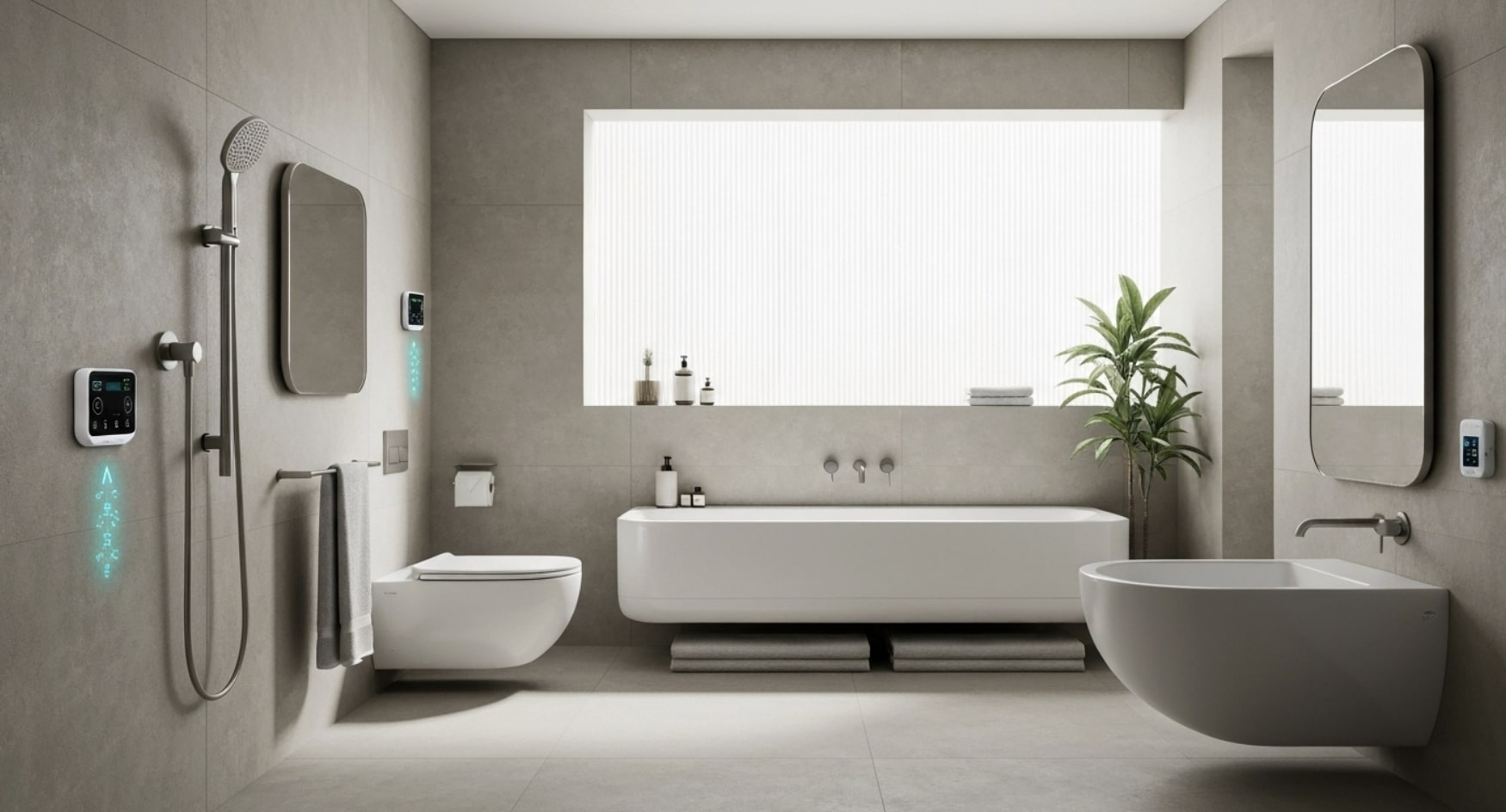
Welcome to the future of home maintenance, where smart and sustainable plumbing solutions are transforming how we manage our resources. As we look toward 2025, innovative plumbing solutions are becoming more accessible, helping you save money, conserve water, and reduce your environmental footprint. Are you ready to discover how upgrading your home’s plumbing can lead to a more efficient and eco-friendly lifestyle? These advancements are not just about convenience; they represent a significant step toward a greener future for everyone.
1. Smart Water Monitoring Systems
Smart water monitoring systems revolutionize home plumbing. These devices attach to your pipes, using sensors to track water flow and usage in real time via a smartphone app. Instantly alerted to leaks, you can prevent damage before it starts.
Key features include:
- Real-time leak detection alerts
- Automatic water shut-off to stop flooding
- Detailed reports by fixture or appliance
- Smart home integration (e.g., Alexa, Google Assistant)
- AI-powered insights into unusual usage
These systems help reduce waste, boost efficiency, and protect your home—making them essential for sustainable living.
Leading Technologies:
Top smart water monitoring brands like Flo by Moen, LeakSmart, and Phyn offer unique features for various needs and budgets. These devices combine leak detection with water usage analytics, making them ideal for sustainable homes. Some use advanced AI and micro-leak pressure sensing; others focus on whole-home shut-off or smart home integration.
| Technology | Key Feature | Best For |
|---|---|---|
| Flo by Moen | Proactive monitoring & auto shut-off | All-in-one home protection |
| LeakSmart | Smart home integration | Connected home ecosystems |
| Phyn | High-definition pressure analysis | Detecting tiny leaks |
Sustainability Impact:
Smart water monitors greatly reduce waste by detecting leaks early—preventing thousands of gallons from being lost annually. They provide insights into your water usage, helping you spot inefficient fixtures and change habits. By actively managing consumption, these devices help conserve municipal water and lower energy use for treatment and transport, making sustainable living easier—one gallon at a time.
2. Greywater Recycling Systems
Greywater recycling systems are a smart green plumbing solution for modern homes. They collect lightly used water from showers, bathtubs, and washing machines, filter it, and reuse it for tasks like flushing toilets or garden irrigation. This reduces the demand for fresh water and eases strain on local supplies.
Benefits:
- Cuts freshwater consumption
- Lowers utility bills
- Eases pressure on municipal water facilities
- Provides reliable water for landscaping during restrictions
- Reduces pollutants entering the environment
These systems offer environmental and financial benefits, making them ideal for eco-conscious homeowners.
Innovations:
Modern systems feature advanced filtration that removes contaminants from your water supply, with some including smart technology for monitoring water quality via your phone. Installation is easier but usually requires a professional to meet local regulations. Regular maintenance keeps the system efficient.
Overall, new greywater recycling technologies are making these systems more accessible and effective, turning them into a practical mainstream option for reducing household water use.
3. Touchless and Sensor-Based Fixtures
Touchless and sensor-based plumbing fixtures are now common in modern homes, offering convenience and significant water savings. Sensor-equipped faucets and toilets activate only when needed, preventing waste and reducing water bills effortlessly.
Key features to consider include adjustable sensor sensitivity, automatic shut-off timers, integrated aerators for faucets, dual-flush options for toilets, and temperature presets. These eco-friendly fixtures deliver water on demand and at controlled rates, maximizing efficiency while minimizing consumption.
2025 Advancements:
By 2025, touchless fixtures will be smarter and integrated into home water management systems. Faucets may track usage and send data to a central hub, while voice-activated controls could let you request specific amounts or temperatures of water, reducing waste and boosting convenience. Toilets may feature self-cleaning technologies that use less water and fewer chemicals. Combining sensors, data analytics, and AI, these innovations will make homes more efficient by effortlessly reducing water and energy consumption.
4. Water-Efficient Heat Pump Water Heaters
Heating water is a major home energy expense, but heat pump water heaters (HPWHs) offer an efficient, sustainable solution. Unlike traditional heaters, HPWHs pull heat from the surrounding air and transfer it to the water, operating much like a refrigerator in reverse. This process uses up to 60% less energy than standard electric heaters, significantly lowering both utility bills and carbon footprint.
According to the U.S. Department of Energy, HPWHs can be two to three times more energy-efficient than conventional models. They also last longer, reduce greenhouse gas emissions, and often qualify for tax credits or rebates. However, they need to be installed in areas with good airflow, such as a garage or basement.
Modern HPWHs feature smart technology like Wi-Fi connectivity. With a smartphone app, you can control temperature settings, set schedules, and monitor energy use remotely—maximizing efficiency when you’re away and ensuring hot water when you need it. This combination of high efficiency and smart controls makes HPWHs an excellent choice for eco-friendly homes seeking to cut costs and environmental impact.
5. AI-Powered Plumbing Diagnostics
The next frontier in smart plumbing is AI-powered diagnostics. These systems use sensor data to not only detect leaks but also predict them by learning your home’s water flow patterns and identifying subtle anomalies. This proactive maintenance approach prevents major damage and expensive repairs, making it a highly efficient solution for both homes and businesses.
AI diagnostic tools offer advanced features, including:
- Predictive Maintenance Alerts: Forecasting component failures for timely replacement.
- Acoustic Leak Detection: Using sensitive sensors to pinpoint leaks inside walls.
- Flow Analysis: Monitoring water flow to catch inefficiencies like silent leaks.
- Pressure Monitoring: Tracking pressure to detect supply issues or regulator failures.
For businesses, these tools minimize downtime, prevent costly damage, and support sustainability by optimizing water usage and reducing bills. For homeowners, they offer peace of mind and lower costs.
Ultimately, AI shifts plumbing from reactive fixes to proactive care—constantly monitoring your system, maximizing efficiency, and stopping small issues before they escalate.
6. Sustainable Plumbing Materials and Design
A sustainable plumbing system begins with eco-friendly materials. Choosing recyclable pipes and fixtures reduces your home’s environmental impact. Modern solutions are shifting from traditional materials to more durable, recyclable options like flexible PEX piping, which minimizes joints and leaks, and copper, which is endlessly recyclable.
Trends for 2025:
Sustainable plumbing materials are selected for longevity, recyclability, and a lower carbon footprint. Homeowners and builders increasingly prefer:
- PEX Piping: Flexible, durable, energy-efficient in production, with fewer fittings needed.
- Recycled Copper: Durable, antibacterial, and fully recyclable without quality loss.
- Recycled Plastics: Pipes and fittings made from recycled plastics reduce landfill waste.
- Bioplastics: New options from renewable resources like hemp.
Green Certifications:
To ensure true sustainability, look for third-party certifications. In the U.S., the EPA’s WaterSense label identifies toilets, faucets, and showerheads that use at least 20% less water than standard models while maintaining performance. Certified products make it easy to build an efficient plumbing system that conserves water and protects the environment.
7. Smart Irrigation Systems
Maintaining a green lawn is costly for both your water bill and the environment. Smart irrigation systems solve this by connecting to your outdoor plumbing and using real-time data—like weather forecasts, soil moisture, and plant types—to water with precision. Unlike traditional timers, they adapt continuously to ensure your landscape gets exactly what it needs, reducing waste and promoting healthy growth.
Key features include:
- Weather-based scheduling: Automatically skips watering before rain.
- Soil moisture sensors: Waters only when needed.
- Zone control: Custom schedules for different yard areas.
- Smartphone app control: Adjust settings remotely.
- Usage reporting: Tracks water use for savings.
Smart irrigation can cut outdoor water usage by up to 50%, making it ideal for homes, businesses, and large properties. This targeted watering prevents overwatering, encourages deep root growth, and reduces runoff—supporting both healthier landscapes and local ecosystems. Investing in smart irrigation saves money while benefiting your yard and the planet.
Why These Innovations Matter
So, why do all these smart and sustainable plumbing innovations matter? They represent a fundamental shift in how we think about and manage water and energy in our homes. For generations, the plumbing system has been a passive network of pipes and fixtures. Today, smart plumbing is transforming it into an active, intelligent system that works for you and the planet. By conserving water, we reduce the immense energy required to treat and transport it. By using efficient heaters, we lower our carbon footprint.
These plumbing solutions matter because they empower individuals to make a tangible difference. They provide the tools and data needed to cut waste, prevent costly damage, and lower household expenses. Collectively, the widespread adoption of these technologies can lead to significant resource conservation on a community-wide scale, ensuring a more sustainable future for everyone. It’s about making smarter choices, one drop at a time.
Say Goodbye to Plumbing Headaches with Target Plumbers by Your Side
Feeling inspired to upgrade your home with these innovative plumbing solutions but not sure where to start? Navigating the world of smart water monitors, greywater systems, and heat pump water heaters can be overwhelming. That’s where we come in. Here at Target Plumbers, our team of expert technicians is passionate about helping you create a more sustainable and efficient home. We have the knowledge and experience to recommend and install the perfect upgrades for your specific needs and budget.
Don’t let plumbing problems or inefficient systems drain your wallet and harm the environment. Let us help you modernize your plumbing system for a worry-free future. Whether you want to protect your home from leaks, lower your utility bills, or reduce your carbon footprint, we are by your side. Contact Target Plumbers today to schedule a consultation and take the first step toward a smarter, greener home.
Conclusion
In summary, the future of plumbing is increasingly leaning towards smart and sustainable plumbing solutions that not only enhance efficiency but also promote environmental responsibility. Innovations like smart water monitoring systems, greywater recycling, and AI-powered diagnostics are revolutionizing the industry, providing homeowners and businesses with tools to manage resources effectively. As we move toward 2025, embracing these advancements will not only alleviate common plumbing issues but also contribute to a more sustainable future.
To explore more, be sure to check out our blog post on How to Estimate Full Bathroom Plumbing Upgrade Expenses.
Frequently Asked Questions
How do smart water monitoring devices support sustainability?
Smart water monitoring devices support sustainability by providing real-time data on water flow. They instantly detect leaks to prevent waste and allow you to track your consumption habits. This information empowers you to make informed changes to your plumbing system, significantly reducing your overall water usage and environmental impact.
What are the most effective eco-friendly plumbing upgrades for homes?
The most effective eco-friendly plumbing upgrades include installing low-flow fixtures like EPA WaterSense-labeled toilets and showerheads, upgrading to a high-efficiency heat pump water heater, and implementing a greywater recycling system. These plumbing solutions dramatically reduce water and energy consumption, offering significant long-term savings and environmental benefits.
Which smart plumbing solutions offer the greatest efficiency for businesses?
For businesses, the most efficient smart plumbing solutions are AI-powered diagnostic systems that predict failures, comprehensive water monitoring to manage large-scale usage, and smart irrigation for landscaping. These technologies minimize costly operational disruptions, substantially cut utility costs, and help businesses achieve their sustainable plumbing and corporate responsibility goals.