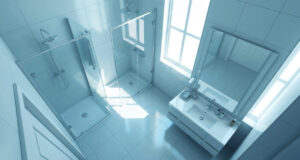
Your bathroom is one of the most used rooms in your home, which means its plumbing system works hard every day. Because of this constant use, it’s a hotspot for various plumbing problems. From an annoying dripping tap to a backed-up toilet, these issues can disrupt your daily routine. Understanding the common types of bathroom plumbing issues and knowing how to address them can save you from stress and costly repairs. This guide will walk you through the top issues and their solutions.
1. Leaky Faucets
That constant “drip, drip, drip” from a leaky faucet isn’t just an annoying sound; it’s a sign of one of the most common bathroom plumbing problems. While it might seem minor, a single dripping faucet can waste gallons of water over time, leading to a surprisingly high water bill. The usual culprits are worn-out washers or gaskets, which degrade with age and use. Ignoring this seemingly small issue can lead to more significant plumbing issues, including water damage and corrosion around the fixture.
✅ Quick Fix:
If you’re comfortable with DIY repairs, turn off the water supply, disassemble the faucet, and replace any worn washers or seals. Use plumber’s grease on the O-rings before reinstalling.
If the leak continues or the fixture is old, it’s often more cost-effective to replace it entirely.
2. Clogged Drains and Slow Flow
Is your shower water pooling around your feet before it finally goes down? A slow or clogged drain is another one of the most common bathroom plumbing problems homeowners face. Over time, things like hair, soap scum, and other debris build up inside your pipes, restricting water flow. Your bathroom sink and tub drains are especially prone to these blockages. Using a drain cover is a great preventive measure to catch hair before it causes trouble.
✅ Quick Fix:
Start by removing visible debris. Pour a mix of baking soda and vinegar down the drain, followed by hot water after 15 minutes. For tougher clogs, use a plunger or a drain snake.
⚠️ Avoid chemical drain cleaners — they can damage your pipes and harm the environment. If your drain keeps clogging, it may indicate a deeper blockage that requires a plumber’s inspection.
3. Running or Constantly Filling Toilet
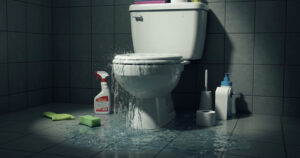
A toilet that won’t stop running is a major source of wasted water and a clear sign of bathroom plumbing problems. If you hear water continuously flowing into the bowl long after you’ve flushed, there’s likely an issue with the components inside the tank. This is one of the most common bathroom plumbing issues and can often be fixed with a few simple adjustments or replacement parts, which is good news for your water bill and your plumbing system.
✅ Quick Fix:
Open the toilet tank and check the flapper. If it’s warped or not sealing properly, replace it. You can also adjust the float arm to control how much water fills the tank.
If you hear running water but can’t pinpoint the issue, it’s best to have a plumber check for hidden leaks.
4. Low Water Pressure
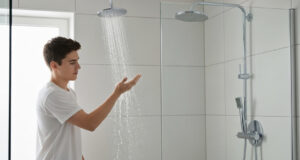
Stepping into the shower for a refreshing spray only to get a weak trickle can be incredibly frustrating. Low water pressure is a common plumbing issue that can affect your faucets and showerhead. Often, the cause is simple: mineral deposits have built up in the aerator of your faucet or the nozzles of your showerhead. This buildup restricts water flow, leading to a drop in pressure. A good cleaning can sometimes resolve this problem completely.
✅ Quick Fix:
Unscrew the faucet aerator or showerhead and soak it in vinegar to remove mineral deposits. Check that all shut-off valves are fully open. If the problem persists, a professional plumber can test for leaks or pressure issues within your plumbing system.
5. Leaky or Wobbly Toilet Base
If you notice water pooling around the base of your toilet or if the toilet itself feels wobbly when you sit down, don’t ignore it. These are signs of a potentially serious plumbing issue. A leaky toilet base is often caused by a failing wax ring, which is the seal between the toilet and the drainpipe on the floor. Over time, this seal can degrade and break, allowing water to seep out with every flush.
✅ Quick Fix:
Tighten the bolts evenly (but don’t overtighten), and check for visible cracks. If water continues to pool at the base, the wax ring likely needs replacing — a moderately advanced DIY task best left to a professional if you’re not experienced.
When to Call a Professional Plumber
While some small issues can be handled on your own, recurring leaks, hidden water damage, or low pressure are signs of deeper plumbing problems.
A licensed plumber can:
- Detect leaks inside walls or floors
- Clear stubborn blockages
- Replace damaged seals or fixtures
- Inspect your entire bathroom system for long-term health
Taking care of plumbing issues early prevents costly repairs and keeps your bathroom running efficiently for years to come.
Conclusion
In summary, addressing bathroom plumbing issues promptly can save you time, money, and stress. From leaky faucets to clogged drains, understanding the common plumbing problems and their solutions empowers homeowners to take charge of their plumbing maintenance. Remember that timely repairs not only improve functionality but also enhance the overall comfort of your home. If you find yourself facing a plumbing dilemma that seems beyond your skill set, don’t hesitate to reach out to professionals for assistance.
For a complete look at maintaining a reliable, efficient bathroom, explore our in-depth post, Essential Bathroom Plumbing Solutions for Every Homeowner. You can also discover sustainable plumbing options in Are Greywater Systems Right for My Home? The Pros and Cons — a great resource if you’re considering eco-conscious home upgrades.
Frequently Asked Questions
How can I tell if a leak in my bathroom plumbing is serious?
A serious leak often leaves clear signs. Look for water stains on the ceiling below your bathroom, persistent puddles around a toilet or under a sink, or warped flooring. These bathroom plumbing problems indicate ongoing water damage that can affect your home’s structure and require immediate attention from a professional.
What signs indicate my upstairs bathroom plumbing is malfunctioning?
The most obvious sign of upstairs bathroom plumbing problems is water damage on the ceiling of the room directly below it. Other indicators of common plumbing issues include a sudden drop in water pressure, gurgling drains, or foul odors coming from the pipes. Any of these signs warrant a professional inspection.
When should I call a professional plumber for bathroom repairs?
You should call a professional for any of the most common bathroom plumbing problems you can’t easily solve, such as recurring clogs, a sudden loss of water pressure, or leaks that seem to come from behind walls. If a DIY fix doesn’t work or you’re unsure, it’s always safer to contact a pro.
Need Reliable Bathroom Plumbing Repairs?
Tired of constant bathroom plumbing problems? From leaky faucets to stubborn clogs, don’t let these issues disrupt your life—let Target Plumbers help. Our experienced team quickly diagnoses and fixes any plumbing challenge, big or small, with reliable, long-lasting solutions. We’re committed to efficient service and restoring your peace of mind. For trustworthy repairs and exceptional customer care, contact Target Plumbers today!