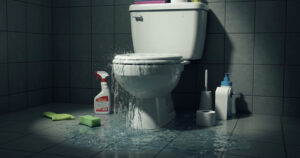
Have you ever walked into your kitchen and been hit by an unpleasant smell you can’t quite place? More often than not, the source is your sink drain. A smelly kitchen sink drain is a common household problem, but it’s more than just an annoyance. These unpleasant odors can be a sign of underlying plumbing issues that need emergency plumbing services. Understanding why your drain smells is the first step toward a fresher, healthier home and preventing bigger problems down the line. This blog tackles the different ways in preventing drain odors and much more.
The Hidden Causes of Drain Odors
That bad smell coming from your sink drain isn’t just random; it has specific causes. Drain smells are rarely caused by the drain itself. Common culprits include:
- Buildup of Organic Material – Hair, soap, food particles, and grease can accumulate over time, decomposing and producing unpleasant smells.
- Clogged P-Traps – The P-trap is designed to hold water and block sewer gases, but if it dries out or becomes clogged, odors can escape.
- Mold and Bacteria Growth – Moist environments like sinks, tubs, and showers are perfect for bacteria and mold, which emit musty or sour smells.
- Ventilation Issues – Plumbing vents help maintain proper airflow; blocked vents can force sewer gases back into your home.
Recognizing these sources early allows you to address the root cause instead of just masking the smell.
Why Drain Odors Are More Than a Nuisance
It’s easy to dismiss a bad smell from your drain as just an annoyance. However, ignoring drain odors may seem harmless, but the risks are real:
Health Hazards
Drain odors are more than unpleasant—they can pose health risks. Bacteria and mold in pipes release spores and compounds that affect indoor air, triggering allergies or asthma. A sewage-like smell may signal a sewer gas leak, which contains harmful gases like hydrogen sulfide, ammonia, and methane. Even low-level exposure can cause headaches or nausea; higher levels are more dangerous. Address drain odors promptly to protect your family’s health and improve air quality. Never ignore a smell that could mean a sewer gas leak.
Plumbing Damage
The same issues that cause foul odors can also damage your plumbing over time. Grease, food scraps, and debris not only smell bad but also create stubborn clogs, increasing pipe pressure and risking cracks, leaks, or bursts. Some DIY fixes can make things worse—pouring bleach may temporarily kill bacteria but can corrode older pipes, while harsh chemical cleaners can harm PVC pipes and the environment.
Here are some common solutions:
| Method | Benefit | Potential Risk |
|---|---|---|
| Boiling Water | Melts grease; chemical-free | Can soften or damage PVC pipes if overused |
| Baking Soda & Vinegar | Natural and deodorizing | May cause pressure in fully clogged drains |
| Commercial Cleaners | Effective on tough clogs | Can corrode certain pipes; environmentally harmful |
Persistent odors signal a deeper problem. Address the root cause—like a clog—to avoid expensive repairs.
Property Damage
Unaddressed plumbing issues can cause significant property damage. Minor clogs can lead to backups, resulting in water overflow that ruins cabinetry, warps floors, and saturates drywall. Shower drain smells from hair and soap scum often indicate clogs that can damage bathroom floors and subfloors. Leaks from damaged pipes may go unnoticed, leading to mold growth and structural rot. Treating bad odors as warning signs helps you prevent costly water and mold damage.
Decreased Home Value
Persistent drain odors can lower your home’s value by creating a negative impression and suggesting poor maintenance to potential buyers. Lingering smells may indicate hidden plumbing issues, leading to costly concerns. Even without plans to sell, ongoing plumbing problems can cause damage like leaks or warped floors, further reducing property value. Consistent maintenance—regular drain cleaning, careful disposal habits, and prompt attention to odors—prevents small issues from escalating and helps preserve your home’s appeal and worth.
How to Prevent Drain Odors
Here are practical steps every homeowner should follow:
- Regular Cleaning – Use safe drain cleaners or a mixture of baking soda and vinegar to remove buildup.
- Run Water Frequently – Make sure your P-traps remain filled with water to block sewer gases.
- Maintain Garbage Disposals – Grind small pieces of food with plenty of water to prevent buildup and odors.
- Inspect Plumbing Vents – Ensure vents are clear and functioning properly.
- Professional Maintenance – Schedule periodic inspections with a licensed plumber to catch issues before they become serious.
Prevention is far cheaper and safer than dealing with major plumbing emergencies.
When to Call a Professional
While many minor drain odors can be handled with simple DIY methods, some situations require the expertise of a professional plumber. If you’ve tried cleaning the drain and the foul odors persist, it’s a sign that the problem lies deeper in your plumbing system. A persistent rotten egg smell, for instance, could indicate a problem with your main sewer line or a blocked vent pipe, which are not issues you should tackle on your own. Another red flag is when you notice bad smells coming from multiple drains in your home.
Trying to solve complex plumbing issues with harsh chemicals can often do more harm than good. A better solution than pouring endless bottles of cleaner down your pipes is to get a professional diagnosis. A licensed plumber has the tools and experience to safely identify and fix the root cause, whether it’s a deep-seated clog in the kitchen drain, a sewer line blockage, or a ventilation problem, ensuring the issue is resolved correctly and safely.
Conclusion
In conclusion, preventing drain odors is not just about comfort; it’s crucial for maintaining the overall health of your home. By understanding the hidden causes of these unpleasant smells, you can take proactive steps to mitigate them, safeguarding your plumbing and property from potential damage. Regular maintenance and attention to your drains can lead to a fresher living environment and enhance the value of your home.
For homeowners looking to keep their plumbing in top shape, Why Target Plumbers Are Your Best Plumbing Choice explains why choosing experienced, local professionals makes all the difference in preventing issues like drain odors. And if you’re planning a bigger project, don’t miss our guide on How to Estimate Full Bathroom Plumbing Upgrade Expenses to understand the costs and plan effectively.
Frequently Asked Questions
What causes my sink or shower drain to smell like sewage?
A sewage smell is often caused by sewer gases entering your home. This can happen if the P-trap under the sink or shower drain dries out, breaking its water seal. It can also be a sign of a more serious plumbing issue, like a clogged main sewer line or a blocked plumbing vent.
Does pouring bleach down the drain help with odors or is there a better solution?
Pouring bleach down the drain may temporarily mask odors but can damage plumbing and release toxic gases. Instead, use baking soda and vinegar to neutralize odors safely. Regularly flush drains with hot water to clear buildup and maintain freshness.
How do I keep drain odors from coming back after cleaning?
Consistent maintenance is key to preventing the return of drain odors. Avoid pouring grease down the kitchen drain, use a drain screen to catch debris, and regularly flush drains with boiling water. For garbage disposals, grinding citrus peels can help neutralize any bad smell and keep the unit fresh.
Are chemical cleaners safe for routine drain odor prevention?
Most chemical cleaners are too harsh for routine use and can damage your pipes over time, leading to more significant plumbing issues. It’s better to rely on gentler, preventative methods for managing unpleasant smells. Reserve powerful cleaners for specific, stubborn clogs and always follow the manufacturer’s instructions carefully.
Need Help Preventing Drain Odors?
Tired of a smelly sink drain that won’t go away? Call Target Plumbers. Our experts quickly diagnose and fix stubborn odors, clogs, grease buildup, and ventilation issues—restoring comfort to your home. Schedule a service today and say goodbye to drain odors for good!