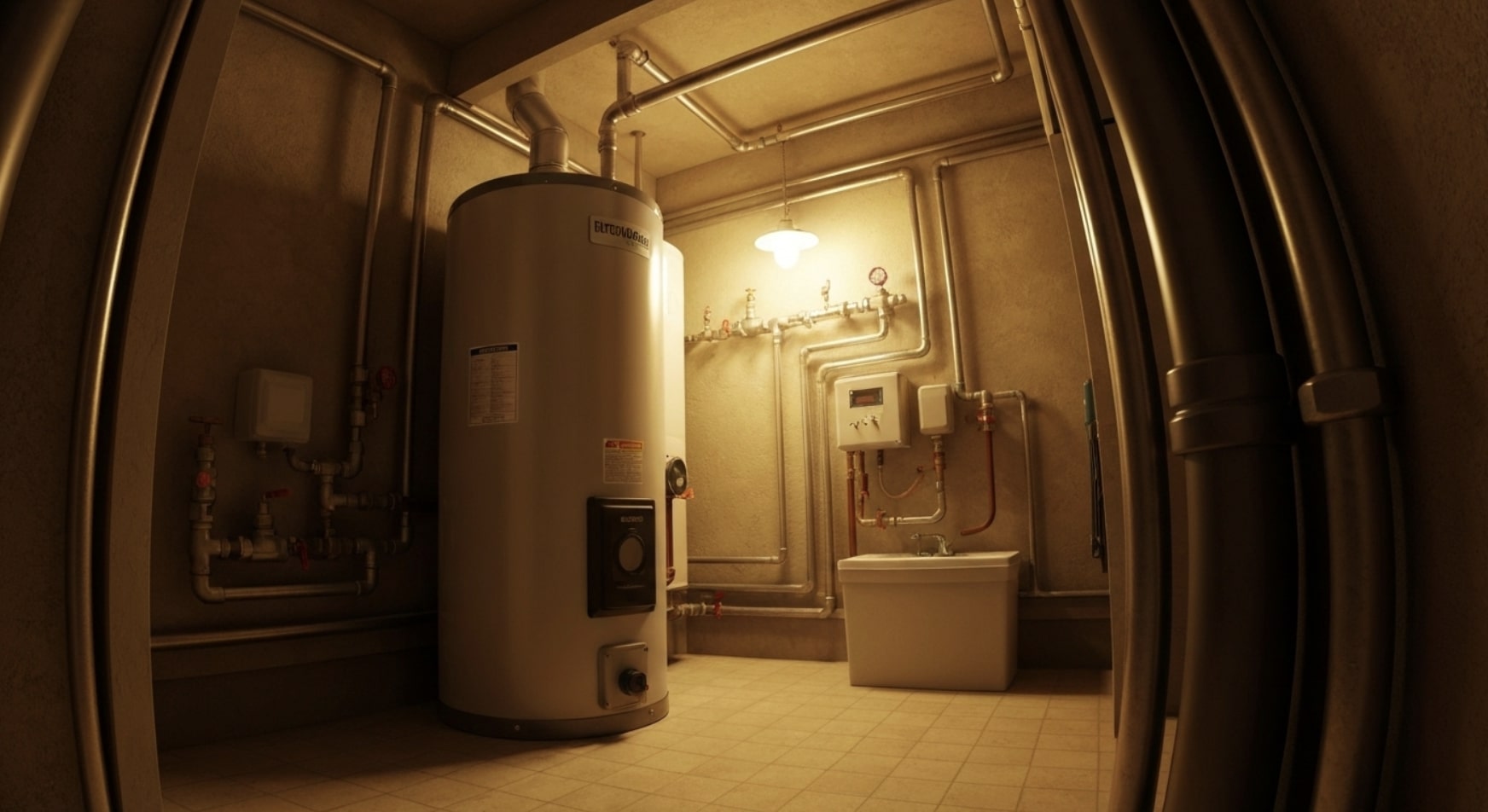
From a refreshing morning shower to washing dishes after dinner, your daily routine depends on a reliable supply of hot water. Most of us, however, don’t think about our water heater until a problem arises, like an unexpectedly cold shower. This reactive approach can lead to costly repairs. A simple, proactive maintenance task called flushing can keep your water heater running smoothly, ensuring you always have the hot water you need. Let’s explore why you should you flush a water heater once a year is so important.
What is Water Heater Flushing and Why is it Important?
Water heater flushing is the process of draining the tank to remove mineral deposits and sediment that naturally accumulate over time. As water from your supply enters the heater and is warmed, minerals like calcium and magnesium separate and settle at the bottom of the tank. A plumber performs a flush by draining the unit and using specialized equipment to scour away these hardened deposits, rust, and other debris, keeping your system clean.
So, what happens if you skip flushing your water heater for a year? The longer sediment builds up, the more problems you’ll face. This layer of minerals forces your heater to work harder to warm the water, reducing its efficiency and increasing your energy bills. Eventually, this buildup can lead to corrosion, damage the tank’s structural integrity, and even block crucial safety components like the pressure-relief valve, posing a significant risk.
Benefits of Flushing Your Water Heater Once a Year
Performing an annual flush offers significant advantages that go beyond just maintenance. How does regular flushing affect the lifespan of a water heater? By preventing sediment from causing corrosion and excessive wear and tear, you can help your unit reach or even exceed its expected lifespan of 10-15 years. You’ll also enjoy better energy efficiency, shorter water heating recovery times, and quieter operation, as there won’t be sediment clanking against the inside of the tank.
Regular flushing keeps your hot water supply consistent and your energy bills down. Neglecting this task leads to a range of performance issues. Here’s a quick comparison:
| Feature | Flushed Water Heater | Unflushed Water Heater |
|---|---|---|
| Lifespan | Reaches its full potential (10-15 years) | Shortened by corrosion and component failure |
| Efficiency | Operates at peak efficiency | Reduced efficiency, leading to higher energy bills |
| Heating Time | Heats water quickly and consistently | Slow recovery times and lukewarm water |
| Operation | Runs quietly | Makes popping, banging, or hissing noises |
| Warranty | Maintenance helps keep warranty valid | Neglect may void manufacturer warranty coverage |
Steps to Flush Your Water Heater for Optimal Performance
While we always recommend professional help for safety and thoroughness, flushing your water heater is a manageable task. Before you begin, you’ll need a garden hose long enough to reach a drain or the outdoors. The process involves draining the tank to clear out the sediment that has settled at the bottom.
Here are the basic steps for flushing your water heater:
- Turn off the power to the unit (either the gas supply for a gas water heater or the circuit breaker for an electric water heater).
- Shut off the cold water inlet valve.
- Connect the garden hose to the drain valve at the bottom of the tank.
- Run the other end of the hose to a safe drainage area.
- Open the drain valve and a hot water faucet in your home to let the tank drain completely.
- Once empty, briefly open the cold water inlet to stir up and flush out remaining sediment.
- Close the drain valve, disconnect the hose, and refill the tank before restoring power.
Signs That Indicate Your Water Heater Needs to be Flushed
Is your water heater trying to tell you something? If you skip flushing for too long, your unit will start showing clear signs of distress due to sediment buildup. Ignoring these warnings can lead to reduced performance and eventual breakdowns. Paying attention to changes in your hot water supply can help you know exactly when it’s time for a flush.
Look out for these common indicators that your water heater tank needs attention:
- Lack of Hot Water: The water is lukewarm or runs out much faster than usual.
- Strange Noises: You hear popping, banging, or rumbling sounds from the tank as it heats.
- Discolored Water: The hot water from your faucets appears rusty or has a foul odor.
- Low Water Pressure: The hot water flow is noticeably weaker than the cold water flow.
- Higher Utility Bills: Your energy costs are creeping up without any other explanation.
How Often Should You Flush Your Water Heater?
As a general rule, you should plan to flush your water heater at least once per year. This applies to both conventional tank-style heaters (gas or electric) and modern tankless models. An annual flush is the bare minimum to keep your system efficient and prevent long-term damage from sediment accumulation in your water supply.
However, the ideal frequency can change based on your local water quality. Does the recommended frequency for flushing a water heater vary by water type? Absolutely. If you live in an area with hard water, which is high in mineral content, you should flush your heater more often—typically twice a year or even every four to six months. The harder your water, the faster sediment builds up, making more frequent maintenance essential for your electric water heater or gas water heater.
Professional Maintenance Services for Your Water Heater
Feeling hesitant about flushing your water heater yourself? That’s perfectly fine. Calling a plumbing professional is always a smart choice, especially if you’re dealing with an older unit or have never done it before. A trained technician can perform the flushing service safely and efficiently.
Professionals also handle other crucial maintenance tasks, like inspecting the anode rod and testing the temperature-and-pressure (T&P) relief valve. This ensures every part of your water heater is functioning correctly, giving you peace of mind and reliable hot water.
Get Back to Comfort Without Worry—Target Plumbers Are Always Here
When it comes to your home’s plumbing, you deserve a team you can trust. At Target Plumbers, our professionals are experts in all things related to your water heater. Whether you need routine maintenance, an emergency repair, or advice on a new installation, we have you covered.
Our goal is to ensure your heater provides consistent, efficient hot water for years to come. We can diagnose strange noises, fix leaks, and perform thorough flushing to restore your unit’s performance. Don’t let a faulty heater disrupt your comfort.
If you have questions or notice any signs of trouble, don’t hesitate to reach out. We’re always happy to provide answers and help you keep your plumbing systems in top condition, so you can get back to your routine without worry.
Conclusion
So, why you should you flush a water heater once a year? Flushing your water heater annually is essential for maintaining its efficiency and longevity. By removing sediment build-up, you not only improve the quality of your hot water but also reduce the risk of unexpected breakdowns. Regular maintenance ensures that your water heater operates smoothly and can save you money on energy bills in the long run. Remember to look out for signs indicating that your heater may need a flush, as staying proactive can prevent more significant issues down the line.
Water heater care is part of the big picture—check out Plumbing Maintenance Tips That Every Homeowner Should Know for a full maintenance plan.
Frequently Asked Questions
Does the recommended flushing frequency depend on water type or heater model?
Yes, absolutely. The harder your water supply, the more frequently you should perform a flush—ideally two to three times a year. While the type of heater matters less, this annual flushing recommendation is important for the health of both conventional (gas and electric water heater) and tankless models.
Can flushing too often damage my water heater?
Generally, no. Flushing is a standard maintenance procedure and is unlikely to cause damage. In fact, more frequent flushing is beneficial in areas with hard water. If your heater is very old or the drain valve seems stuck, it’s best to call a plumbing professional to avoid any complications.
What should I consider before flushing an older or unmaintained water heater?
Flushing an old or long-neglected water heater carries a small risk. The drain valve on the water heater tank could be seized by sediment and may break when you try to open it. For this reason, it is highly recommended to have a professional plumber handle the first flush on an older heater.