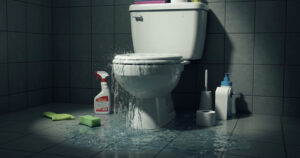
That constant, annoying sound of water running in your bathroom is more than just a nuisance. A running toilet is a sign that something is wrong inside the toilet tank, and it’s quietly draining your wallet. This endless cycle of refilling can waste a surprising amount of water and significantly increase your utility bills. The good news is that you don’t always need to call a plumber right away. This guide will walk you through the common causes and how to a toilet that keeps running.
First: Why Does Your Toilet Keep Running?
Toilets run for one simple reason: water keeps leaking from the tank into the toilet bowl, which triggers the fill valve to refill it — over and over. But why is that happening? There are a few usual suspects:
1. The Flapper Isn’t Sealing Properly
The toilet flapper is the rubber seal at the bottom of your toilet tank that lifts when you flush and then drops back down to hold water in the tank. Over time, this part can become brittle, warped, or worn out from use and minerals in the water. When this happens, it can no longer create a tight seal, allowing water to slowly leak from the tank into the bowl. This is one of the most frequent causes of a running toilet.
A problematic flapper isn’t always about age. The chain connecting it to the flush handle can also be the issue.
- If the chain is too short, it will pull on the flapper, preventing it from sealing completely.
- If the chain is too long, it can get caught underneath the flapper, also breaking the seal.
Because it’s such a common issue, the flapper should be the first thing you check. A simple visual inspection can often tell you if it’s the source of your plumbing headache.
2. The Fill Valve Is Faulty
The fill valve is the tall assembly inside the toilet tank responsible for refilling it with water after you flush. If this valve becomes cracked, worn, or clogged with sediment, it can fail to shut off properly. This malfunction causes water to continuously trickle into the tank.
You might have a faulty fill valve if:
- You hear a faint hissing sound coming from the toilet tank long after it should have filled.
- You see water constantly flowing into the overflow tube, even when the toilet hasn’t been flushed.
While sometimes tightening the fittings can help, a worn-out fill valve usually needs to be replaced. Replacing all the internal components, including the fill valve and flapper, is a comprehensive way to stop a running toilet and prevent future issues. This ensures all parts are new and working together correctly.
3. The Float Is Misaligned
The toilet float, which is either a ball on an arm or a cup that moves up and down the fill valve, controls the water level in the tank. Its job is to signal the fill valve to stop filling when the water reaches the correct height. If the float is set too high, the tank will overfill, and excess water will spill into the overflow tube. This creates a constant running sound as the toilet tries to refill the water it’s losing.
When you inspect the tank, you should look for the following:
- The water level should be about one inch below the top of the overflow tube.
- If the water is at or above the overflow tube, your float is set too high.
Adjusting the float is a simple fix. For older toilets, you can gently bend the metal arm that holds the float ball downward. On newer toilets, you can adjust the height by turning a screw or adjusting a clip on the float cup. If you’re unsure, a plumber can make the adjustment for you.
4. The Flush Handle Is Stuck
Sometimes the problem isn’t deep inside the tank but starts with the flush handle itself. If your handle feels loose, stiff, or gets stuck in the down position after flushing, it may be preventing the flapper from closing properly. The handle is connected to the flapper by a chain, and a sticky handle can keep the chain lifted, leaving the flapper open.
This issue can be caused by:
- Corrosion or mineral buildup around the handle’s linkage.
- A chain that is tangled or not the right length.
This can cause your toilet to run continuously or even start running randomly on its own. Often, simply jiggling the handle fixes it temporarily, but the underlying issue remains. Applying plumber’s grease can help with stiffness, but if the handle is corroded, it may need to be replaced. Be careful not to overtighten a new handle, as this can crack the toilet tank.
Why It Matters: The Hidden Cost of Ignoring It
A running toilet isn’t just annoying — it’s expensive and wasteful. Consider this:
- A slow leak can waste up to 6,000 gallons/month
- That’s $50–$100 extra on your water bill
- Left unchecked, it can cause mineral buildup or rust in pipes and valves
- In multi-bathroom homes, it often goes unnoticed until a major spike in usage
How to Stop a Running Toilet (Step-by-Step)
If you’re the DIY type, here’s what to do:
Step 1: Remove the tank lid and flush
Begin by observing. Carefully remove and set aside the toilet tank lid. With the lid off, watch how the flush mechanism works as you press the handle. Note if the flapper lifts and reseals properly, and whether the handle returns smoothly. Watch the water level: it should stop about an inch below the overflow tube, not keep rising or spilling. This initial observation helps identify issues before making any adjustments.
Step 2: Check the flapper
Since the flapper is usually the cause of a running toilet, inspect it next. Check if the rubber seal at the bottom of the tank looks warped, brittle, or rough. An old flapper loses flexibility and can’t seal properly. To test it, press down on the flapper after the tank fills—if the water stops running, it’s leaking and needs replacement. Turn off the water supply, flush to empty the tank, remove the old flapper, and bring it to the hardware store to find a match.
Step 3: Check the float and fill valve
If the flapper is fine, check the float and fill valve. After refilling, if water pours into the overflow tube, the float is set too high and needs adjusting. Lower the float by bending the arm or using the adjustment screw until the water stops about an inch below the overflow tube. This prevents spillage and constant refilling. If you hear a hissing sound after the tank fills, the fill valve may be leaking and should be replaced. Installing a new fill valve often solves running toilet issues.
Step 4: Check the chain and handle
The chain connecting the flush handle to the flapper is crucial. If it’s too short or too long, the toilet may run continuously or “phantom flush.” Ensure about an inch of slack when the flapper is closed—too tight prevents sealing, too loose can tangle or keep the flapper open. Adjust by moving the clip to a different link.
Also, check that the flush handle moves freely and isn’t sticking. A corroded or stiff handle can stop the flapper from closing fully. Clean, lubricate, or replace the handle if needed.
Not Sure What’s Causing It?
Sometimes the problem is deeper — like sediment buildup in the fill valve, a worn-out flush valve seat, or low water pressure affecting the tank refill cycle.
In those cases, it’s best to call a professional who can:
- Diagnose the exact issue
- Replace faulty components
- Ensure everything is sealed and aligned properly
- Stop the leak for good
Conclusion
In conclusion, a toilet that keeps running can be more than just a minor inconvenience; it can lead to unnecessary water waste and higher bills. By understanding the common causes, such as a faulty flapper or misaligned float, you can take proactive steps to resolve the issue. Remember, keeping your toilet in good working condition not only saves you money but also contributes to water conservation. If you’re unsure about what’s causing the problem or need professional assistance, don’t hesitate to reach out to Target Plumbers for expert help.
Looking for more ways to protect your plumbing and avoid costly surprises? Learn why so many homeowners trust us in Why Target Plumbers Are Your Best Plumbing Choice, and don’t miss Discover the Most Overlooked Plumbing Maintenance Tasks — it’s full of quick wins that can save you serious money and hassle.
If your toilet won’t stop running, don’t ignore it.
Tried all the DIY fixes but your toilet still runs? Don’t let it waste water and raise your bill. The experts at Target Plumbers can quickly diagnose and fix any running toilet issue, from minor adjustments to complete rebuilds. Trust our experienced team for efficient, affordable service that protects your home. Contact Target Plumbers today for reliable help.
Frequently Asked Questions
Is a constantly running toilet a major plumbing issue?
Usually, a running toilet is a minor plumbing issue caused by a faulty part in the toilet tank. However, if ignored, it becomes a major financial problem due to wasted water. It’s best to address it quickly to avoid high utility bills, even if it doesn’t require an emergency plumber.
Why does my toilet randomly start running by itself?
This is often called a “phantom flush” and is usually caused by a slow leak from the toilet tank into the bowl. A worn-out flapper that doesn’t seal properly is the most common reason. A stuck flush handle or a tangled chain can also cause the toilet to start running randomly.
What are the most common causes for a toilet to continuously run?
The most common causes for a running toilet are a defective flapper that won’t seal, a misadjusted float that allows the water level to get too high and enter the overflow tube, a faulty fill valve, or a flush handle and chain that are stuck or improperly adjusted.
What should I check first if my toilet is running non-stop?
The very first thing you should check is the flapper at the bottom of the toilet tank. It’s the most frequent culprit behind a running toilet. Open the tank and press down on the flapper; if the running water sound stops, you’ve found the source of your plumbing problem.
How do I know if the flapper is causing my toilet to keep running?
You can tell the flapper is the cause if it appears warped, brittle, or doesn’t create a good seal. The easiest test is to press down on it while the toilet is running. If the water stops flowing from the tank, it confirms the flapper is leaking and needs to be replaced.