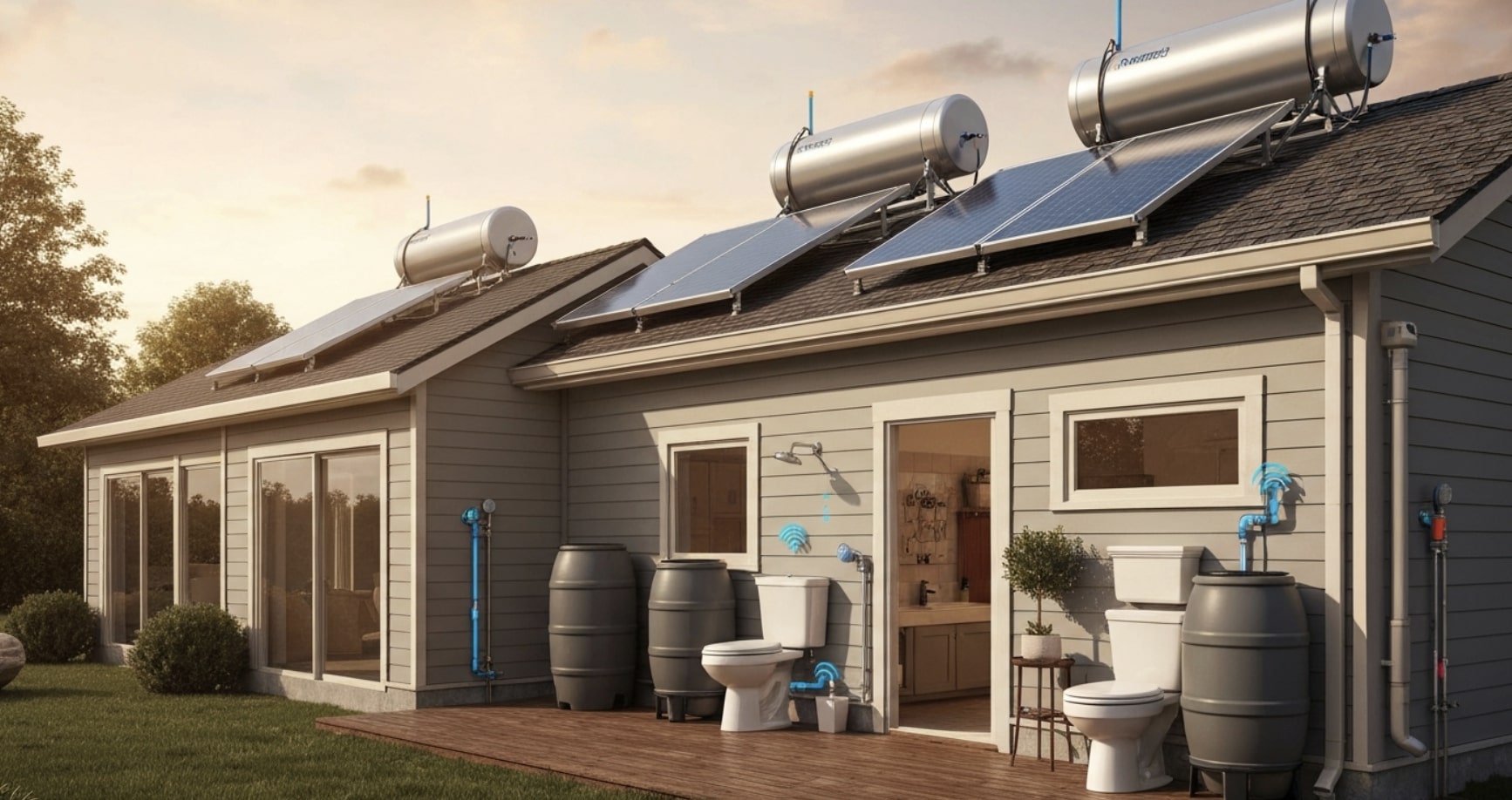
Are you looking for ways to make your home more environmentally friendly while also saving some money? Upgrading your plumbing system is a fantastic place to start. Eco-friendly plumbing solutions help you conserve water and energy, leading to lower utility bills and a smaller carbon footprint. In this guide, we will explore a variety of innovative and eco-friendly plumbing upgrades. From simple fixture changes to advanced smart technology, you’ll discover practical ways to make your home’s plumbing system greener and more efficient.
What Makes Plumbing Solutions Eco-Friendly?
So, what exactly gives a plumbing upgrade its “eco-friendly” badge? The core principle is efficiency. These solutions are engineered to do the same job as traditional fixtures but with a fraction of the resources. This friendly plumbing approach focuses on reducing waste at every possible point in your home.
The main characteristics of sustainable plumbing include:
- Water Conservation: Fixtures are designed to use less water. For instance, low-flow showerheads mix air with water to maintain pressure while cutting water use.
- Energy Efficiency: Appliances like tankless water heaters only use energy when hot water is needed, unlike traditional tanks that constantly burn energy to keep water hot.
- Sustainable Materials: Using recycled or durable materials like PEX or copper reduces environmental impact and the need for frequent replacements.
Ultimately, these products help reduce your water usage through smart technology and innovative design. Whether it’s a dual-flush toilet giving you control over water volume or a smart faucet that shuts off automatically, every feature is geared toward conservation. This makes sustainable plumbing a smart choice for both your wallet and the environment.
1. Smart Water Leak Detectors
A small leak in your plumbing system can waste thousands of gallons of water and cause serious damage to your home. Smart water leak detectors are an amazing piece of smart technology that can prevent this. These devices monitor water flow and can detect even the smallest leaks. When a problem is identified, they immediately send an alert to your smartphone, allowing you to take action before it becomes a catastrophe.
Installing a smart leak detector is a proactive step toward a sustainable plumbing setup. By catching leaks early, you not only conserve a massive amount of water but also avoid expensive repairs from water damage. Brands like Flo by Moen and Phyn offer user-friendly devices that integrate seamlessly with your home automation systems. This upgrade offers an excellent balance of cost savings and sustainability by protecting your home and preventing unnecessary water waste.
2. Low-Flow Fixtures with Smart Design
One of the easiest and most effective eco-friendly upgrades is switching to low-flow fixtures. These are not the weak-spraying fixtures of the past; modern options use smart technology to deliver great performance while using much less water. Low-flow faucets, for example, use aerators that mix air into the water stream, maintaining strong pressure while cutting water consumption by up to 50%. This is a perfect example of friendly plumbing that works for you.
Similarly, dual-flush toilets offer a simple way to achieve sustainable plumbing. They provide two options: a low-volume flush for liquid waste and a slightly higher-volume one for solid waste. This simple choice can save thousands of gallons of water per year compared to older toilets. By installing WaterSense-labeled products, you can be sure you’re getting fixtures that meet high standards for efficiency and performance, helping you reduce water usage throughout your home.
3. Greywater Recycling Systems
Have you ever thought about reusing the water from your shower or washing machine? A greywater recycling system does just that. This advanced sustainable plumbing solution collects water from sinks, showers, and laundry and repurposes it for non-potable uses, such as flushing toilets or irrigating your garden. This dramatically reduces your household’s demand for fresh water.
While the installation of a greywater system can be more complex than swapping a fixture, the long-term benefits are substantial. It’s a major step up from traditional models of water use. Before you install one, make sure to check local regulations regarding greywater use. With proper maintenance, these systems reduce strain on municipal water supplies and lower the energy needed for water treatment, making them a powerful upgrade for any eco-conscious homeowner.
4. Tankless (On-Demand) Water Heaters
Waiting for the water to heat up can be frustrating and wasteful. Tankless water heaters, also known as on-demand water heaters, solve this problem. Instead of storing and constantly heating a large tank of water, these units use powerful burners or electric elements to heat water instantly as you need it. This smart technology provides an endless supply of hot water while using up to 30% less energy than traditional tank heaters.
Although the initial investment for a tankless water heater is higher, the long-term savings on your energy bills make it a worthwhile upgrade for a sustainable plumbing system. These units are also more compact, freeing up space in your home, and they typically have a longer lifespan. By eliminating the standby energy loss associated with tank heaters, a tankless model offers a fantastic combination of sustainability and cost savings over its lifetime.
5. Solar Water Heating Systems
Harnessing the power of the sun is a brilliant way to heat your water. Solar water heating systems use collectors, often mounted on your roof, to absorb sunlight and transfer that heat to water stored in a tank. This process can drastically reduce your reliance on conventional energy, leading to a smaller carbon footprint and lower utility bills. It’s a forward-thinking upgrade that makes your plumbing system truly sustainable.
Installing a solar water heater can be a significant investment, but government incentives and tax credits often help offset the cost. Over time, the energy savings make it a financially sound and environmentally responsible choice that can increase your home’s value. This smart technology showcases your commitment to green living.
| Benefit | Consideration |
|---|---|
| Uses renewable solar energy | Higher initial installation cost |
| Significantly lowers utility bills | Requires a roof with good solar exposure |
| Reduces your home’s carbon footprint | May need a backup heating system for cloudy days |
| Can increase property value | Installation can be complex |
6. Touchless Faucets and Smart Showers
Imagine a faucet that runs only when your hands are under it or a shower that helps you track your water usage. Touchless faucets and smart showers bring this level of smart technology into your home, making water conservation effortless. Touchless faucets are fantastic for preventing water from running needlessly while you wash your hands or dishes. This simple, hands-free operation makes your daily routine more hygienic and efficient.
Smart showers take sustainable plumbing to the next level. These systems allow you to monitor and control water usage in real-time, often through an app. You can set timers or water-saving modes to enjoy a refreshing shower while minimizing your environmental impact. These upgrades are not only practical but also add a modern, high-tech appeal to your home, which can be a great selling point and potentially increase its value.
7. Eco-Friendly Pipe Materials
The pipes hidden behind your walls play a big role in your home’s sustainability. When it’s time for an upgrade, choosing eco-friendly materials is a smart move. PEX piping, for example, is a flexible and durable option that requires less energy to produce than traditional materials. Its flexibility reduces the need for joints, which are common leak points, and its resistance to corrosion means it will last for decades, minimizing replacements.
Copper piping is another excellent choice for a sustainable plumbing system. It is incredibly durable, often lasting over 50 years, and is naturally resistant to bacteria. Best of all, copper is 100% recyclable without losing its quality, which reduces the demand for new raw materials. While the initial cost might be higher than some alternatives, the longevity and recyclability of materials like PEX and copper offer a great balance of long-term cost savings and environmental responsibility.
8. Rainwater Harvesting Systems
Why let all that rainwater go to waste? A rainwater harvesting system captures rainfall from your roof and stores it in a tank or cistern for later use. This collected water is perfect for tasks that don’t require treated drinking water, such as watering your garden, washing your car, or even flushing your toilets. It’s a simple and effective way to reduce your reliance on municipal water supplies.
Implementing a rainwater harvesting system is a powerful step toward creating a truly sustainable plumbing setup. These systems can range from a simple rain barrel connected to a downspout to more complex configurations integrated with your home’s plumbing system. By using this free, natural resource, you conserve treated water, lower your water bills, and reduce stormwater runoff, which helps protect local waterways.
9. High-Efficiency Dishwashers and Laundry Connections
Your dishwasher and washing machine are two of the biggest water users in your home. Upgrading to high-efficiency models is a key part of building a sustainable plumbing system. These modern appliances are equipped with smart technology, including sensors that detect the size of the load and the soil level. They then adjust the water and energy usage accordingly, ensuring optimal cleaning with minimal waste.
Choosing appliances with the ENERGY STAR label guarantees they meet strict efficiency standards set by the EPA. These high-efficiency machines can use significantly less water and energy per cycle compared to older models. This not only leads to substantial savings on your utility bills but also reduces the overall environmental impact of your household, making it a smart and responsible choice.
10. Whole-Home Water Filtration Systems
Improving the quality of your water can also contribute to a more sustainable plumbing system. Hard water, which contains high levels of minerals like calcium and magnesium, can cause scale buildup in your pipes and appliances. This buildup reduces efficiency and can shorten the lifespan of your water heater, dishwasher, and faucets. A whole-home water filtration or softening system tackles this problem at the source.
By installing an eco-friendly water softener, such as a salt-free system, you can prevent scale buildup without adding excess salt into the environment. These systems help your appliances run more efficiently and last longer, reducing waste and replacement costs. Cleaner, softer water is gentler on your entire plumbing system, making this upgrade a smart investment in the long-term health and sustainability of your home.
Conclusion
In summary, embracing eco-friendly plumbing upgrades is not just a trend; it’s a sustainable approach that benefits both your home and the environment. From smart water leak detectors to greywater recycling systems, these innovative solutions can significantly reduce water usage and save you money on utility bills. By making informed choices and investing in modern plumbing technologies, you can enhance your home’s efficiency while contributing to a greener future. Let’s work together towards a more eco-conscious lifestyle!
For expert installation of these eco-conscious plumbing solutions, be sure to read our main feature, “Why Target Plumbers Are Your Best Plumbing Choice”, and discover how our team combines innovation with reliability. You might also enjoy our related post, “5 Innovative Modern Toilet Features You’ll Love to Use”, where we highlight the latest comfort and efficiency upgrades for modern bathrooms.
Frequently Asked Questions
Which eco-friendly plumbing upgrades offer the best cost savings in the United States?
Low-flow fixtures, like toilets and showerheads, offer excellent cost savings with a low initial investment. For long-term savings on energy bills, upgrading to a tankless water heater is one of the most effective choices. Both options significantly reduce your resource consumption compared to traditional models, lowering your monthly expenses.
Can smart plumbing systems increase my home’s value while saving water?
Absolutely! Smart plumbing systems, such as leak detectors and solar water heaters, are attractive features for modern homebuyers. They demonstrate that a home is efficient, technologically advanced, and well-maintained. These sustainable plumbing upgrades not only save water and money but also add significant appeal and value to your property.
What are the newest plumbing technologies for water conservation in 2025?
In 2025, look for even more advanced smart technology. This includes enhanced water monitoring systems that provide real-time data on every fixture, more efficient greywater recycling systems for residential use, and smart appliances that use AI to further optimize water and energy consumption for a truly sustainable plumbing system.
Upgrade to a Greener Plumbing System Today!
Ready to make your home more efficient and eco-friendly? Target Plumbers can help. Whether you want to lower your water bill with low-flow fixtures or explore smart plumbing technology, our experts will guide you to the best upgrades for cost savings and performance. We’re committed to friendly, top-quality service that supports your sustainability goals. Contact us today to schedule a consultation and start your journey toward a greener home.